
For HR leaders: Schedule a free Vantage Fit demo to see how the admin dashboard, audience targeting, and engagement analytics support program design end-to-end.
Wellness matters in everybody's lives today. Especially after Covid-19, it has gained huge recognition worldwide. Even in workplaces, employers have begun to prioritize employee health and well-being, recognizing that workers are the organization's most significant assets. With this in mind, businesses have devised wellness programs to ensure employee wellness. Employee wellness refers to any initiative that aims to improve employees' health.
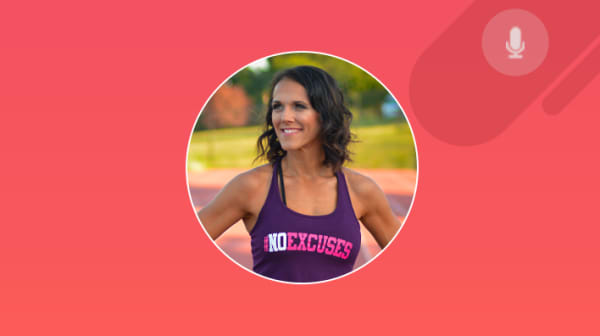
In this podcast, Debbie Bellenger discusses how firms can promote employee wellness at work and how it is important to prevent burnout and ensure retention.
Key Takeaways
- "Wellness" has matured into "wellbeing" — and the distinction matters. Debbie frames the post-pandemic shift: wellness was programs and fitness challenges; wellbeing is the whole human at work. Employees arrive as parents, caregivers, and friends — not just "the worker of the day" — and benefit plans have to reflect that.
- The Great Resignation is what finally forced employers to care. Debbie is blunt: corporate wellness spent years being optional until mass attrition made it a retention problem. Leaders who treated engagement and employee satisfaction as non-essential before COVID are now catching up by necessity.
- A sick workforce costs eight hours of seat time for six hours of output. Her retail version of the business case: employees with chronic conditions spend work hours at doctor appointments, struggle to focus, and drive medical and pharmacy claims up. CDC projects >50% of Americans will have a BMI over 30 by 2030 — and obesity rarely travels alone.
- Track sick days by day of the week, not just volume. At one hospital system she managed, most sick days across 1,200 employees landed on Mondays and Fridays. The data didn't mean fraud — it meant the organisation needed mental-health PTO and long-weekend policies. Programs that reward mental-wellness days (8 hours PTO as an incentive) beat another Amazon gift card.
- Start wellness programs where employees are, not where the template says. Her old sequence was exercise → nutrition → stress → tobacco. With 1 in 5 Americans burned out, that order is wrong. Start with mental health and burnout literacy; telling a stressed single mother to join a walking program adds stress, not relief.
- Computer-monitoring remote employees is a toxic signal. She flags it as distrust at the highest level. Pair that with the post-resignation trend of expecting remaining employees to do the work of three — with vacancies unfilled — and you get a pipeline to disengagement and sickness.
- Culture is dynamic, not onboarding. Companies stamp culture onto interview day and new-hire week, then stop. Debbie argues culture needs to be re-surfaced regularly — through employee resource groups led by peers (not leaders), who can route ground-level wellness concerns up to senior leadership and bring solutions back.
- Data from wearables gives employers a remote check-in channel. Not for surveillance, but so managers can notice when someone goes quiet on participation and reach out — "I haven't seen you log water or steps this week." Visibility replaces the hallway conversation remote work erased.
In Debbie's Words
On the wellbeing shift
The difference from wellness to wellbeing is that wellbeing comprises the whole of the individual — mind, body, spirit, being present at work. We lean a little more into human beings versus human doings. When you come to work, you present with your whole self. You're not just Dipshi the worker of the day — you're still a mom, a sister, a friend, a volunteer.
On the business case for workplace wellness
There's a direct correlation between employee health, employee happiness, employee engagement, and employee retention. Even if an unwell employee is at their desk eight hours, it might only be six hours of productive time — they're having doctor's appointments, having trouble focusing. Medical and pharmacy claims go up. The cost of sickness is not sustainable.
The CDC forecasts that by 2030, over 50% of Americans will have a BMI greater than 30 — a clinical diagnosis of obesity. And that's not standalone; it travels with hypertension, diabetes, hyperlipidemia. The cost to an employer of unhealthy employees will continue to rise.
On measuring wellbeing beyond sick-day counts
We would track the number of sick days, but also which days of the week employees called out. Across 1,200 employees, most sick days landed on Mondays and Fridays. That data started the conversation — do you need long weekends? Where it's okay to say to your supervisor, "I'm exhausted on the heels of the pandemic. I want to take every second Friday off as a mental wellness day." Versus calling out sick when you just need the day.
On toxic workplace traits post-pandemic
The number one toxic trait right now is a lack of listening, hearing, and asking what employees need. The idea of "come to work, shut up, do it, get the work done" — that's human doing in conflict with human being. We're not widgets.
When COVID happened, some companies installed time monitoring on employees' computers because they didn't trust people to work from home. I have family members whose computers are monitored every time they log in. That's distrust at the highest level — incredibly toxic.
Another toxic element: employees being expected to repeatedly do more with less, with more time pressure. Someone remaining after the Great Resignation might now be doing the job of three people while vacancies are unfilled.
On designing programs post-pandemic
When I started in corporate wellness, we always began with exercise, then nutrition, then stress management, then tobacco cessation — always in that order. Now, if one in five employees is burned out, we should be starting with mental health programs, burnout seminars, teaching the signs so people can avoid an actual clinical diagnosis.
If Dipshi doesn't like exercise and I'm saying you have to join a walking program, but you're a single mom taking care of your mother, working, doing groceries — and now the wellness director tells you to walk — that's making more stress, not less. Meet employees where they are.
On culture and retention
Company culture has to be fostered and nurtured year over year. It starts with the very first interview — that's your first impression. The culture should clearly itemise your value, your role, your why. When the organisational mindset aligns with the individual worker's values, retention is beautiful.
Culture is dynamic — a living, breathing organisation. It's not onboarding and done. Leaders need to communicate well and hear the needs of employees regularly, so employees feel taken care of.
On mental-health PTO as an incentive
After a few years of wellness programming with a company, the same Amazon gift cards and massages lose their pull. We started going to bat for mental-wellness days. One of the prizes became eight hours of PTO for a mental health day. The employees loved it — it was gold.
About the Speaker
Debbie Bellenger is working full-time as the solopreneur of Body By Definition, providing Advisory Services to individuals and organizations who wish to add wellness programming to their services and offerings. In addition, Debbie has extensive medical wellness experience in programming and center operations. She was the first Director of Wellness for two healthcare systems in SC and NC: Lexington Medical Center for 12 years and Caromont Regional Medical Center for nine years.
In her role as the Director of Employee Health, Occupational Medicine, and Wellness at CaroMont, she oversaw four business units which included:
- 13,000 Medical Wellness Center,
- Employee Wellness Program for CaroMont,
- Discover You Interactive Learning Center, and
- Community and Employer Wellness Service line generated $0.5 million in revenue.
Connect with her on Linkedin
Show Notes
(02:09) Tell us about your journey in the area of employee wellness?
(04:48) What is well-being in the workplace?
(07:13) Why is employee health essential for organizations? What is your take on the growing popularity of employee health?
(14:02) Do you think there are various dimensions of wellness?
(16:06) How can employers identify whether their employees are dealing with something?
(24:27) How does employee well-being affect employee retention and company culture?
(28:44) Can you mention the toxic traits affecting employee wellness?
(35:08) What are your views on corporate wellness programs? What type of wellness programs are most suitable for ensuring employee wellness?
(41:51) Would you like to share some suggestions for your listeners?