
Pair this with a wellness program: Schedule a free Vantage Fit demo to see how meal logging, water intake tracking, and nutrition-themed challenges work together.
The term "food addiction" describes a compulsive drive to eat specific types of foods, even when one is not hungry. It has a significant impact on one's physical and emotional health. This addiction leads one to lose control over eating habits and continue excess consumption of food without worrying about the health consequences.
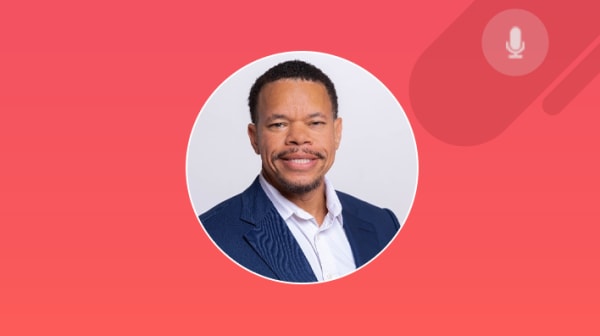
Listen to this podcast by Dr. Bunmi Aboaba who discusses the concept of food addiction in detail and tells us how it impacts one's overall health.
Key Takeaways
- Food addiction is a neurological pattern, not a willpower problem. Bunmi frames the "just stop eating" advice as useless: ultra-processed foods spike dopamine the same way any addictive substance does, and the brain wires the pathway. Breaking it requires habit replacement, not shame.
- Food addiction sits at the top of a spectrum. Overeating → emotional eating → bulimia → binge eating → full food addiction. Stress eating isn't a separate category — it's a way station on the path, and if chronic stress never resolves, it escalates.
- "Bliss points" are engineered on purpose. Manufacturers tune fat, sugar, salt, and texture to the exact combination that maximises dopamine response. Real food almost never triggers addiction — "people don't have addictions to salad or to eggs." The addiction is to the engineering.
- Untreated food addiction drives a measurable disease load. Type 2 diabetes (reversible in many cases via a food plan), hypertension, obesity, inflammation-driven arthritis, autoimmune conditions, worse menopause symptoms, and — in older populations — links to dementia and Alzheimer's. She flags Type 1 diabetes appearing in 8–10 year olds as a "pandemic."
- Workplaces can dismantle the trigger environment. Bunmi's corporate prescription: get the pastries, vending-machine snacks, and energy drinks out of the cafeteria and replace with real food; audit workload distribution because overload drives stress eating; add breakout rooms for meditation; bring in food-addiction or mental-health counsellors that employees can consult confidentially.
- Prep beats willpower every time. Plan the week's meals, buy ingredients in advance, and never grocery shop hungry. The brain doesn't have to decide in a moment of weakness if breakfast is already laid out. "If you plan, you don't fail."
- Three daily non-negotiables: hydration, sleep, gratitude. Dehydration mimics hunger. Sleep debt spikes cortisol, which drives cravings. And naming three to five things you're grateful for each day measurably improves mood — cheaper than any supplement.
- Recovery is not linear; compassion is the medicine that prevents relapse. She insists on mind-body-spirit treatment: the shame and guilt around being overweight or unable to stop eating is itself a driver of the next binge. Support groups (Food Addiction Anonymous, Overeaters Anonymous) do the compassion work that individual willpower can't.
In Bunmi's Words
On what food addiction actually is
Food addiction is the pursuit of a mood change with food. Ultra-processed foods — combinations of fat, sugar, salt — spike dopamine in the brain. The brain starts to recognise, this food makes me feel good. So when the person feels bad, or angry, or stressed, they reach for that food again. Even when they know it's not good for them, they find it very, very difficult to stop.
Food addiction is like the top of the spectrum. The bottom is overeating. Along the way we have emotional eating, bulimia, binge eating — and then food addiction, the full-blown thing.
On why "just stop" doesn't work
Your brain is now wired to addictive eating. It's not a case of just stop eating. The brain has already established this pattern — we have to change that neural pattern. People feel a lot of shame and guilt: I've got strong willpower, I'm intelligent, but why can't I stop eating this? That's where compassion and support groups come in.
On the 99%-fail diet industry
99% of diets fail because they haven't addressed the other issues underlying that person's life. A diet doesn't address the mental, physical, or spiritual. A food plan is not a diet — it's nurturing, it's kind, and it's loving. You don't go hungry. It's sustainable.
On corporate workplaces and food addiction
Take out as much of the ultra-processed food as possible in the cafeteria — pastries, cakes, vending-machine snacks, sugary drinks — and replace with real food. Employ mindful areas — breakout rooms where someone stressed can meditate. Bring in counsellors — food addiction counsellors, mental health coaches, occupational health — so somebody can go and talk. Long-term, we need healthy employees and a healthy workplace.
Look at workload distribution. If someone's taking on too much work, does that person really need to? Because chronic stress in the workplace is what drives people back to the ultra-processed foods that make them feel better temporarily.
On the long-term health cost
We're looking at a pandemic of diabetes. Type 2 diabetes can be reversed in many cases with a good food plan — without medication. Hypertension, obesity, arthritis from inflammation, autoimmune issues, mental health problems as blood sugars spike and crash. In older populations, links between ultra-processed foods, sugars, and Alzheimer's.
On practical daily defence
Good night's sleep lowers stress. Proper hydration — thirst and hunger are very similar sensations. A real breakfast with protein, then three to five hours later lunch, then three to five hours later dinner — so you're not going hungry and the brain settles.
Practice stress management every day — breathwork, mindfulness, meditation, a gentle walk, a playlist that calms you, affirmations on your phone. Because when the crisis happens, you'll automatically go to them. If you only practise when you're stressed, it won't work.
Never go into a shop when you're hungry. If you're a food addict, you'll pick up something that isn't good for you. You end up making all the wrong decisions.
On self-awareness as the real treatment
What are you really hungry for? What are you sad about — let's deal with that. What are you angry about — let's deal with that. You can deal with all of those things without reaching for food.
About the Speaker
Make sure you are sleeping right, or else your stress level goes up. That makes you want to eat more and eat the wrong things. - Dr. Bunmi Aboaba
Dr. Bunmi Aboaba is an internationally renowned Food Addiction coach who developed the first Certified Food Addiction Certification aimed at supporting and educating nutritionists, personal trainers, dieticians, and clinicians in person-centered approaches to wholistic food addiction counselling to help their clients achieve long-lasting and effective results.
She's helped hundreds of clients achieve healthy relationships with food to meet their unique long-term health goals. Dr. Bunmi’s work covers the full spectrum of disordered eating, including overeating, compulsive eating, emotional eating, addicted eating, and other associated patterns.
Her holistic approach to healing and weight loss has been invaluable to those clients who have really struggled to initially lose weight and then maintain healthy and stable eating patterns.
Dr. Bunmi’s Certification equips professionals with the skills required to identify and manage Food Addiction in partnership with their clients.
Connect with her on LinkedIn.
Show Notes
(01:10) Can you tell us about your journey in the field of wellness?
(07:35) What is food addiction, and what are some common signs and symptoms that suggest someone may be struggling with it?
(11:38) What commonly triggers food addiction, and how can individuals identify and avoid them to manage their cravings and maintain a healthy relationship with food?
(13:17) Can too much salt or sugar in diet lead to food addiction?
(14:50) Are there any evidence-based treatments or strategies that can be used to overcome food addiction, such as therapy, support groups, or lifestyle changes?
(28:09) What are some potential long-term consequences if left untreated?
(32:13) How can employers create a supportive and inclusive workplace environment that promotes healthy eating habits and helps employees manage their food addiction?
(39:10) Would you like to suggest any valuable tips to our listeners?