
For distributed teams: Schedule a free Vantage Fit demo to see how multi-timezone challenges, journey challenges, and a native mobile app drive engagement across countries.
Remote work, or working from anywhere, can sometimes lead to feelings of loneliness. This happens because people miss their usual interactions in a traditional office.
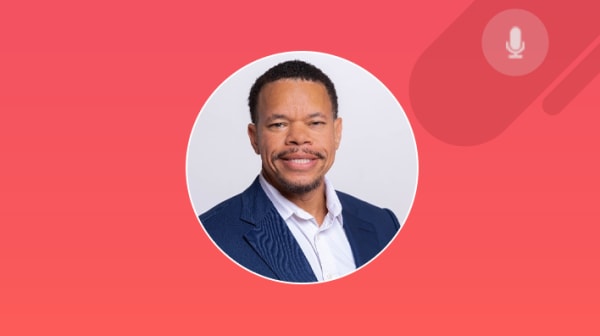
In this podcast, William shares his insights on the challenges employees face while working remotely.
Key Takeaways
- Loneliness is a public health emergency, not a soft metric. Sipling cites the US Surgeon General's finding that chronic loneliness carries a health burden equivalent to smoking 15 cigarettes a day — which reframes remote connection as a preventive-health line item, not a culture nice-to-have.
- Job control, not location, predicts who struggles in remote work. A 2022 Human Resource Management Journal study he cites found knowledge workers with flexible, autonomous roles adapted fine; customer service and other highly structured roles lost engagement fastest. The takeaway for managers: the more scripted the job, the more intentional the remote scaffolding needs to be.
- Output, not activity, is the real engagement signal. Sipling warns against vanity metrics. A drop in completed projects — not Slack silence — is usually the first visible sign of disengagement tied to isolation.
- Async-first communication protects both time zones and work-life balance. Hubstaff's etiquette is to reach for a doc before a meeting. Synchronous-first cultures quietly penalise anyone who lives off the headquarters clock.
- Volunteer Time Off (VTO) builds the kind of connection work can't. He points to Atlassian's VTO as a model: paid hours to volunteer externally. Belonging to something beyond the company, counter-intuitively, makes employees more engaged when they are clocked in.
- Wellness reimbursements should fund getting out of the house. Gym memberships, co-working stipends, monthly coffee-shop gift cards — Sipling frames these as loneliness interventions, not perks. The point is in-person contact, not the specific service.
- Affinity and interest groups outperform generic Slack channels. A food channel is good; a structured affinity group around DEI, agile practice, or a shared identity converts passive coworkers into active community. Intentional structure beats hoping people "chat more."
In William's Words
On the scale of the problem
In the US, the surgeon general basically said loneliness is a public health crisis. The negative health effects of loneliness are about the equivalent of smoking 15 cigarettes a day. So it's a big deal.
Loneliness and isolation in general are no good for feelings of mental and physical health. Anything that can be done in the office, working remotely, or in hybrid settings to combat loneliness — the better.
On what actually signals disengagement
The way I like to measure engagement that seems to have less noise is a decrease in outputs or completed projects. As long as you're hiring great workers who enjoy getting things done, you'll have intrinsic motivation. If those workers start to slip, that's probably not laziness — it's a lack of engagement, and engagement is affected by isolation.
For managers in more structured environments — call centres, customer service — there needs to be more intentionality on getting those folks included. Their structure used to come from being cubicle to cubicle. You have to mimic it deliberately now.
On designing for remote inclusion
When I say intentional, I don't just mean asking people to chat on Slack more. That's not a bad thing, but it isn't super goal-oriented. Intentional means incentivising particular behaviours — a Hubstars channel where people shout each other out for putting out fires, encouraging employees to share company content on their own LinkedIn, annual retreats, real-life meetups.
An async-first approach saves time and money from meetings not everybody needed to be on, and it doesn't penalise people working in different time zones. When you start with synchronous-first, you force someone to take a 9 p.m. or 4 a.m. meeting and sacrifice family time to perform.
On the workplace-wellness prescription
Atlassian offers VTO — volunteer time off. When you volunteer, you connect with people in real life and contribute to a vision bigger than yourself. Somebody connected through more than just their work is more engaged when they are clocked in.
Offering wellness reimbursements — gym, co-working, a monthly gift card to the local coffee shop — gets people out and potentially connected with others working in similar spaces. That recreates the water-cooler experience across companies, for everyone working remotely.
We should be able to find friends in our workplace, not merely coworkers. Technology can help with that.
About the Speaker
William Sipling, SHRM-PMQ, DASM, is the Director of Workforce Transformation and Chief Brand Storyteller at Hubstaff. With over thirteen years of experience in communications, media, and leadership, he focuses his interests on labor relations, inclusive HR practices, and organizational development.
He holds a bachelor’s degree in psychology, two master’s degrees in humanities, and is a doctoral student in business administration. He has also earned credentials and certifications in ethics, DEI, conflict resolution, workplace investigations, marketing, executive coaching, and data analytics.
His work on psychology, social thought, and media ecology has been featured in popular and peer-reviewed publications and at conferences at Cambridge, Durham, Notre Dame, and other prestigious institutions.
Show Notes
01:16 Tell us about your wellness journey.
02:18 How has the widespread adoption of remote work during the public health crisis affected employees' feelings of loneliness and isolation?
05:40 What are some common signs and symptoms of loneliness that remote workers may experience, and how can they be addressed?
08:32 Are there differences in the experiences of loneliness between employees who have always worked remotely, and those who transitioned to remote work due to the pandemic?
11:31 What role can employers play in mitigating loneliness among remote workers, and what strategies have been successful in promoting social connectedness?
15:50 Are there technological solutions or tools that can help remote workers combat loneliness and foster a sense of belonging in virtual teams?
19:30 What steps can individuals take to proactively combat loneliness while working remotely, and what resources are available to support them?