
Connections do matter at work.
Getting to know someone on a meaningful level is exciting and also crucial. Maintaining connections at that level can keep your social and mental health uplifted. You tend to be optimistic, creative, and healthy at work.
It is infact people with social connections at work perform better. According to research, people who have good friends at work are more likely to be happier, healthier, and more engaged. Employees also report developing meaningful connections at work has higher productivity, retention, and job satisfaction.
Moreover, meaningful connections calm you down and help relax your nervous system.
Therefore, creating effective relationships in the workplace can make your personal and professional life smoother. According to Caleb Backe, marketing manager and HR representative for Maple Holistics, you don’t have to put in an equal amount of effort with everyone at the workplace. The key to connecting is putting in some with everyone you meet.
Read: 12 Fantastic Ways To Relax At Work And Let Go
Key Takeaways
- Connection is a biological requirement, not a cultural nicety. Swora points to fMRI evidence that the same brain region lights up during social disconnection as during physical pain. Workplace loneliness is literally registered as an injury — which is why HR can't treat belonging as a soft perk.
- "Meaningful" is defined by the other person, not the gesture. Her working definition: a person feels seen, heard, and respected. That can happen in a sixty-second elevator exchange or over a long coffee — length is not the variable.
- People never leave your presence neutral. Swora's sharpest line on leadership: every interaction either makes a colleague feel seen or slightly unseen. Managers who think they are being "efficient" by skipping acknowledgement are actively depositing in the second column.
- The oxygen mask metaphor is broken when the mask is empty. She spent years "wearing" self-care without actually checking whether oxygen was flowing. The corporate analogue: wellness programs and breathing breaks are useless if leaders never slow down enough to see whether they're working.
- Co-regulation is a team skill, not just an individual one. Research she cites shows the nervous system calms faster around calm others. That makes a manager's own regulation an operational asset — a dysregulated leader dysregulates the room.
- Back-to-back calendars are a systemic wellness failure. Her prescription for leaders: stop scheduling 9-to-10, 10-to-11, 11-to-12 days. Mandating 10- or 15-minute buffers between meetings is a structural intervention disguised as a small change.
- Curiosity beats the "right question." Good workplace questioning isn't a technique — it's a willingness to be present without an agenda. Hyperactivity pulls people into judgement; judgement kills connection.
In Carolyn's Words
On why connection is physical, not optional
A meaningful connection is when somebody feels seen and heard and respected. Our brains are wired for connection — when we feel disconnected, the same centre of the brain lights up as when we feel physical pain. This isn't a nice-to-have, it's a must-have.
People never leave your presence neutral. They either feel seen, even just a little bit, or they feel not seen. Even a smile in an elevator, or asking how someone's child is — those are short, real moments of connection.
On workplace dysregulation
Most of us have exceeded our capacity, or close to it. We can't access the ability to regulate, can't think with the depth we want. One of my clients said she couldn't keep her own head above water, let alone think about her team — she'd had outbursts and felt really bad about it. That's survival mode.
I wore an exhausting oxygen mask for years. There was no oxygen coming through, but I wasn't slowing down enough to even check it. What does real oxygen look like for you? You have to check the mask is actually working.
On the leader's operational duty to connection
As leaders, we need to address wellness in how we operate day to day. Not back-to-back meetings — at least a 15-minute break before them. My corporate calendar used to be nine to ten, ten to eleven, no break in there. Those are systemic changes organisations should be supporting, because if we keep pushing through, we burn out.
Wellness programs help people instill practices and learn what wellness means to them — but employees have to access them. It's not an employer's job to tell everyone what to do. It's the organisation's responsibility to make them available.
On questioning and curiosity at work
When we're in hyperactivity mode, we lose the ability to be curious and present. If I'm focused on three other meetings, I'll slip into judgement — you're either going too fast or too slow. To be truly curious, we have to be present. It's not about asking the best question; it's about letting the conversation unfold.
Start small. A text message, a DM — "what are you proud of this week?" Ask your teammates what meaningful connection looks like for them. They might not have an answer, because we're not used to asking each other these questions. Just start.
About the Speaker
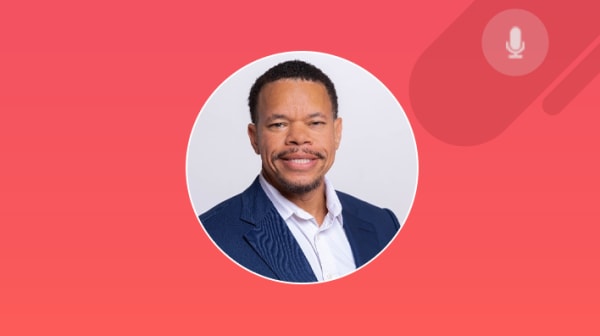
Carolyn Swora is a Coach, a Guide, a Facilitator, a Leader and a Mentor.
She is a trauma informed leadership coach, consultant and Human Spirit Ignitor that supports impact-driven leaders within purpose-led organizations to truly understand themselves so that they can lead from their most empowered and greatest version to drive real change.
Carolyn believes that we must take time to dig deep into ourselves and explore our team dynamics to bring about the change we want to see. ALso, create new systems and models that are truly diverse, inclusive and equal for all.
Connect with her on LinkedIn
Show Notes
(00:53) What is a meaningful connection? Why do workplaces need to emphasize developing meaningful connections?
(04:17) How do you address stress, anxiety, and depression at work? Is it because people today are getting more distant?
(06:18) What is your take on meaningful connections in employees’ overall well-being?
(11:41) Do employees/leaders focus more on themselves today and forget to check on their co-workers? And how is it dismantling the entire working environment?
(14:49) Don’t you think employees need to cultivate the art of questioning? Or how do they practice asking better questions in conversations?
(17:50) What is your opinion on the role of corporate wellness programs in defining or building meaningful and mindful relationships among employees?
(20:35) What would you suggest to our listeners about the importance of creating meaningful relations for greater wellness at work?
(23:02) Where will our listeners find you?