Relaxing at work means taking short, deliberate breaks, such as a few slow breaths, a stretch or a walk outside, so stress does not build up. Even small pauses help: a 2022 meta-analysis found that breaks of 10 minutes or less gave a modest lift in energy and eased fatigue.
Relaxing at work can still feel like a taboo, as if pausing means you are not working hard. Workplaces are changing, though, and more of them treat rest as part of doing good work.
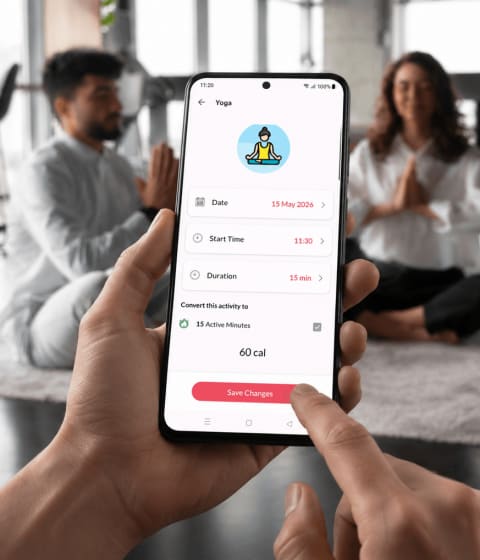
Small tools make it easier. Vantage Fit’s Mindfulness library, for example, includes short guided relaxation sessions employees can play between meetings.
Ready to find your own way to unwind? Here is why relaxing at work matters, what happens when the breaks never come, and 12 simple ways to let go during the workday.
Key Takeaways
- Relaxing at work is most effective in small doses spread through the day, before stress has a chance to pile up.
- Skipping breaks shows up in the body, mood and behavior, from headaches and muscle tension to irritability, poor sleep and overeating.
- Micro-breaks lift well-being more than output: the 2022 meta-analysis found clear gains in energy, while the effect on performance was small and not significant.
- Breathwork, office yoga, a short walk outside, journaling and a brief digital detox are among the easiest ways to unwind at your desk.
- Rest sticks when the whole workplace supports it, so people return to their tasks fresh.
Why Relax at Work?

Rest helps the brain as much as the body. In a 2012 study, people who sat quietly for 10 minutes after hearing a story recalled more of it a week later than they did for a story followed by a game.
The Zen teacher Thich Nhat Hanh described the problem in a 2010 interview:
“We humans have lost the wisdom of genuinely resting and relaxing. We worry too much. We don’t allow our bodies to heal, and we don’t allow our minds and hearts to heal.”
With tight deadlines, tough tasks, surprise meetings and a full inbox, some stress is unavoidable. Learning to pause, stay calm and keep your composure helps your mind and body cope, and it stops stress from spilling into the quality of your work.
Read: 11 Mindful Monday Tips To Re-Activate Your Best Self At Work
Consequences of Not Relaxing at Work

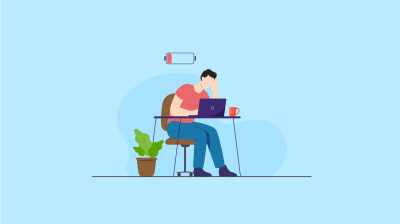
When the breaks never come, stress builds and starts to show up in three areas:
1. Body
Headache, muscle tension or pain, chest pain, fatigue, stomach upset, etc.
2. Mood
Anxiety, restlessness, lack of motivation or focus, irritability or anger, feeling overwhelmed, sadness or depression.
3. Behavior
Overeating or undereating, angry outbursts, drug or alcohol misuse, tobacco use, social withdrawal, exercising less often, and sleep problems.
Regular pauses during the day help keep these signs from taking hold.
Read: 35 Amazing Spiritual Wellness Activities To Elevate Employees' Wellness
Benefits of Taking a Break During Work Hours

Short breaks pay off most in how people feel. The 2022 meta-analysis defined micro-breaks as pauses of no more than 10 minutes, and its authors concluded that the evidence supports them most strongly for well-being.
A calmer, tension-free workplace also tends to bring benefits like these:
- Better concentration
- A brighter mood
- Stronger mental health and well-being
- More energy
- Better memory and retention
- Positive emotions, positive thinking and emotional agility
- Lower stress levels
- Less absenteeism and presenteeism
12 Fantastic Tips to ‘Let Go’ and Relax at Work

Looking at the brighter side when things get tough helps you unwind. These 12 simple practices make it easier:
1. Breathwork. Slow down and take five conscious breaths to ground yourself.
2. Office Yoga. Stretch to ease muscle tension, then restart your work with some office yoga.
3. Aromatherapy. Many people find that calming scents, such as lavender, help them unwind.
4. Mindfulness. Notice your thoughts and feelings in the present moment. Mindfulness can help you feel calmer from head to toe.
5. Meditation. Close your eyes at your desk for a few minutes and let your thoughts settle.
6. Music Therapy. Switch your playlist to something slow and soothing while you work.
7. Journaling. Jot down your thoughts and worries to get them out of your head, then note a few things that went well.
8. Healthy Snacking. Stress can trigger mindless eating, so keep a healthy snack or fresh fruit within reach.
9. Social Health. Chat with a friend or colleague for a few minutes; a short conversation can help you feel calmer.
10. Digital Detox. Step away from your laptop, phone and social media for a few minutes to reset.
11. Fresh Air. Take a short walk outside, or simply look out of a window, to regain energy and focus.
12. Deep Rest. Learn what deep rest feels like: a few minutes of stillness, with no screens and no tasks.
For a few more ideas, Debbie Bellenger, an executive in Health and Wellness Advisory Services, suggests some easy tips to relax at work and keep you feeling centered:
- Set a timer on your phone to do stretch breaks every hour. The simple act of getting up out of your chair and moving changes our thoughts.
- Place items on your desk that are calming for you. A yoga cat, a photo, a plant, a print, or a scented candle.
- Set a notice on the Gratitude App to take a few minutes every day to express gratitude. It keeps your thoughts positive and appreciative.
- Step outside to take a deep breath if very stressed. Nature, vitamin D, and a change of scenery can quickly lower blood pressure and heart rate.
- Play background music that soothes you.
- Chat briefly with a colleague about something other than work.
Read: Impact of Happiness at Work on Employee's Wellbeing
7 Quotes That Will Help You Relax at Work

Work. Relaxation. Don’t think. ―Ray Bradbury, Zen in the Art of Writing
To have faith is to trust yourself to the water. When you swim you don’t grab hold of the water, because if you do you will sink and drown. Instead you relax, and float. -Alan Watts
Your mind will answer most questions if you learn to relax and wait for the answer. -William S. Burroughs
People choose to struggle when people don’t want to relax. Sometime it is not on your side, relax, calm down. No matter how hard the waves are, you will float on the ocean. -Kubbra Sait
Just breathing can be such a luxury sometimes. ―Walter Kirn
Certainly work is not always required of a man. There is such a thing as a sacred idleness. – George MacDonald
Don’t make things too complicated. Try to relax, enjoy every moment, get used to everything. -Angelique Kerber
Summing Up

Workplaces are changing quickly, and more employees now look for a flexible environment that supports their well-being. Many companies treat rest and relaxation as part of their wellness programs, alongside perks and benefits.
Relaxing at work is about coming back to your tasks with a clear head. The right breaks are the ones that fit your day, so find a few habits that work for you and make them part of your routine.
Frequently Asked Questions
How can I relax at work when stressed?
Pause for a few slow breaths, stand up and stretch, or step outside for a short walk. A quick chat with a colleague or a few minutes away from screens can also help you reset.
Can relaxing at work improve memory?
It can. A 2012 study in Psychological Science found that a 10-minute quiet rest right after learning something helped people retain it for at least a week.
How long should a relaxation break at work be?
A few minutes can help with energy and fatigue. For long, draining tasks, the study's authors note that recovery may need breaks longer than 10 minutes.
What are the signs you need to relax at work?
Frequent headaches, tense shoulders, irritability, trouble focusing, poor sleep or reaching for snacks when stressed are all signs that you need more breaks.
How do I calm my mind at my desk?
Close your eyes and take a few slow breaths, or try a short guided meditation. Writing a worry down on paper can also quiet a busy mind.