
Introduction
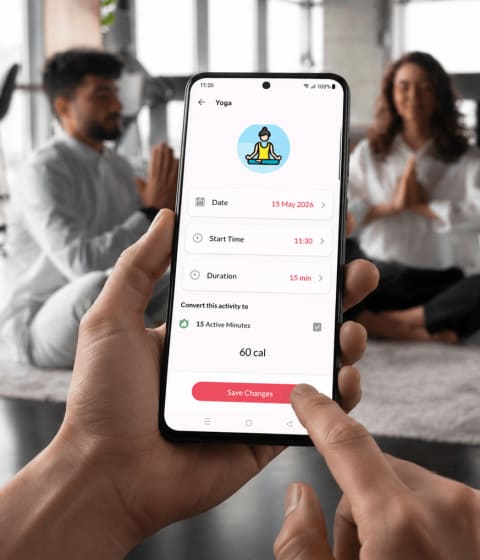
The demands of modern life, whether from work, relationships, or personal responsibilities, can often overwhelm our emotional well-being. In a world where daily pressures frequently lead to heightened stress and mental strain, mental wellness apps have become an essential resource for maintaining and enhancing mental health. These apps provide a convenient and accessible way to manage stress, anxiety, and other mental health concerns from the comfort of your own space.
They empower individuals to incorporate mental health practices into their daily lives, ensuring that support is always just a tap away. In this blog, we explore some of the best mental health applications available and the unique features that can help you find the right tool for your mental wellness journey.
Disclaimer: When dealing with mental health challenges, seeking professional help is always the best approach. However, a variety of supportive apps can also play a significant role in reducing stress, managing anxiety, boosting mood, and more.
What is a Mental Wellness App?
A mental health app is a mobile application designed to support and enhance mental health and well-being. These apps offer features that help users manage stress, anxiety, depression, and other mental health issues through guided meditations, mood tracking tools, virtual therapy sessions, and self-help exercises.
Fortunately, many of the top mental health apps offer free versions or trial periods, allowing users to explore their features without an immediate financial commitment.
Features of Mental Wellness Apps
When evaluating mental health mobile apps, several key features can significantly enhance effectiveness and usability. Here are the must-have features that leading mental wellness apps should offer:
Guided Meditations and Relaxation Techniques: Offers a range of meditations and relaxation exercises to help manage stress and anxiety.
Mood and Stress Tracking: Tracks mood and stress levels over time to identify patterns and triggers.
Virtual Therapy and Counseling: Provides access to virtual therapy sessions or counseling with licensed professionals.
Self-Help Resources and Exercises: Includes cognitive behavioral therapy (CBT) exercises, journaling prompts, and educational content for self-improvement.
Community Support and Forums: Facilitates connections with others through supportive communities or discussion forums.
Emergency Support and Crisis Resources: Provides access to emergency resources and crisis helplines for immediate assistance.
How We Evaluated These Mental Wellness Apps
To build this list, we looked at the practical value each app offers to users who want consistent, day-to-day mental wellness support. That meant focusing on usefulness rather than popularity alone. Apps that only looked polished but lacked meaningful guidance, flexibility, or depth were less compelling than those that gave users repeatable tools they could actually integrate into their routines.
We compared the breadth of each platform’s features, including meditation libraries, stress relief tools, mood tracking, access to therapy, sleep support, and guided wellness exercises. We also considered whether the app served a narrow use case, such as anxiety management alone, or provided a broader mental wellness experience that could support multiple goals over time.
Another major factor was accessibility. The best mental wellness app is not necessarily the one with the most features, but the one users can return to consistently without friction. Ease of navigation, availability across devices, free plans or trials, and clear onboarding all matter because they affect whether a person keeps using the app long enough to benefit from it.
We also reviewed how well these apps balance self-guided wellness with professional support. Some users are looking for mindfulness and habit-building tools, while others need a platform that offers licensed therapists, evidence-based programs, or structured care plans. A strong recommendation depends on matching the app’s strengths to the user’s actual needs, not treating all mental wellness platforms as interchangeable.
List of 10 Best Mental Health Apps
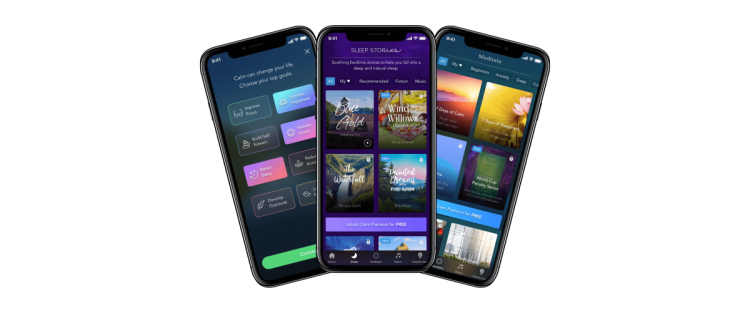
Calm : Offers guided meditations, sleep stories, and relaxation exercises to help reduce stress and improve sleep.
Headspace : Provides mindfulness and meditation practices designed to improve mental clarity and overall well-being.
Sanvello : Features mood tracking, self-care tools, and cognitive behavioral therapy techniques to manage stress and anxiety.
Talkspace : Connects users with licensed therapists through text, video, or audio for convenient remote counseling.
Vantage Fit : Best for holistic individual and corporate wellness, combining health tracking, challenges, and guided meditations.
Brightside : Provides personalized mental health care through therapy and medication management tailored to individual needs.
Insight Timer : Offers a vast library of free guided meditations, music tracks, and talks to support mindfulness and relaxation.
MindShift : Focuses on helping users manage anxiety through cognitive behavioral therapy strategies and tools.
Stop, Breathe & Think : Guides users through mindfulness exercises and emotional check-ins to promote mental wellness and stress relief.
Aura Health : Delivers personalized meditation, life coaching, and sleep stories based on user preferences and emotional states.
Detailed Overview - Best Apps for Mental Health
Calm
Calm is a top mental health app designed to support both individuals and organizations by enhancing mental wellness through mindfulness and relaxation. It offers a rich selection of resources, including guided meditations, sleep stories, and soothing music, addressing various needs and preferences for stress management and overall well-being.
The app’s engaging user interface and regular updates make it a popular choice for consistent mental health support.
Recommended for: Organizations and individuals looking for a comprehensive app to enhance relaxation, improve sleep, and manage stress.
iOS App
Yes (Rating: 4.8/5 ⭐)
Android App
Yes (Rating: 4.4/5 ⭐)
Web-Based Portal
Yes
Guided Meditations and Sleep Stories
Relaxing Music and Soundscapes
Mood Tracking and Progress Monitoring
Expertly Designed User Interface for Ease of Use
NASA
Ogilvy Asia
McDonald's
Yearly
Starts at $318.90/year (team of 5)

Headspace
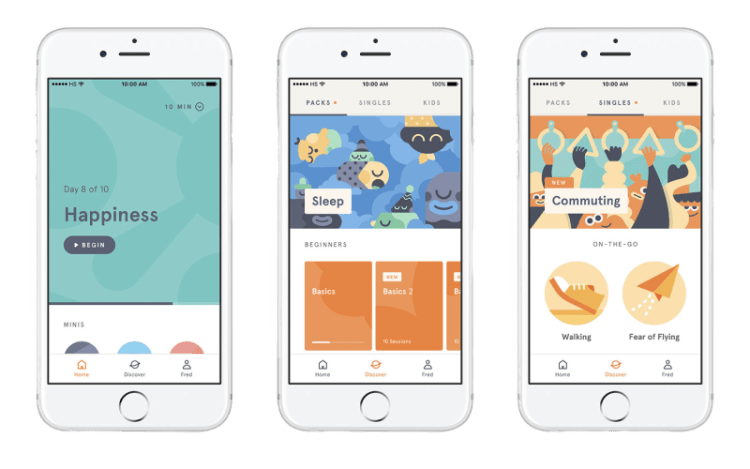
Headspace is a free mental health app focused on mindfulness and meditation. It offers a range of resources designed to help both individuals and organizations manage stress, improve focus, and cultivate a greater sense of calm.
The app features guided meditations, sleep aids, and mindfulness practices, making it a versatile tool for personal mental wellness and employee well-being initiatives.
Recommended for: Individuals and organisations seeking a well-rounded app to improve mindfulness, reduce stress, and enhance overall mental well-being.
iOS App
Yes (Rating: 4.4/5 ⭐)
Android App
Yes (Rating: 4.8/5 ⭐)
Web-Based Portal
Yes
Mindful Workouts and Focus Sessions
Sleep Sounds and Stories
Progress Tracking and Personalized Recommendations
Intuitive and Engaging User Interface
Chegg
Sephora
Sony Music
Custom
Price on request

Sanvello
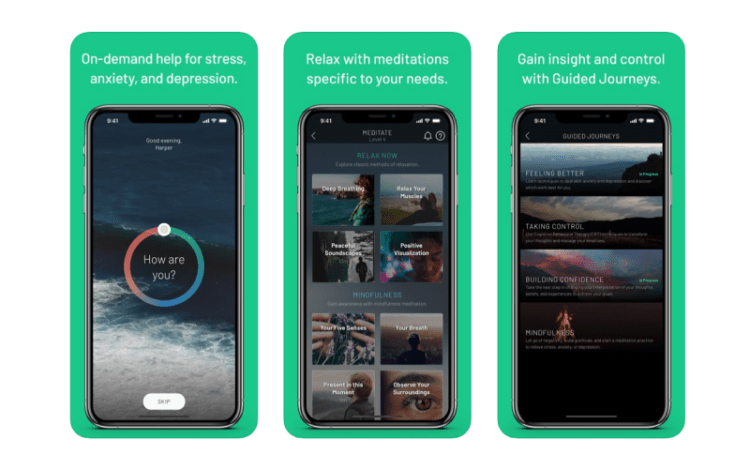
Sanvello is a comprehensive mental wellness app designed to support mental health through evidence-based techniques for managing stress, anxiety, and depression. It combines tools for self-care with personalized support to help users navigate their mental health journey effectively.
The app features mood tracking, guided exercises, and CBT techniques. Its engaging interface and tailored recommendations make it a valuable option for those seeking structured support.
Recommended for: Individuals and organizations looking for a robust app to manage stress, anxiety, and depression with evidence-based strategies.
iOS App
Yes (Rating: 4.9/5 ⭐)
Android App
Yes
Web-Based Portal
Yes
Mood Tracking and Progress Monitoring
CBT-Based Exercises and Techniques
Personalized Self-Care Tools
Guided Relaxation and Stress Management
User-Friendly Interface with Customizable Features
First Session
Average cost is $140

Talkspace
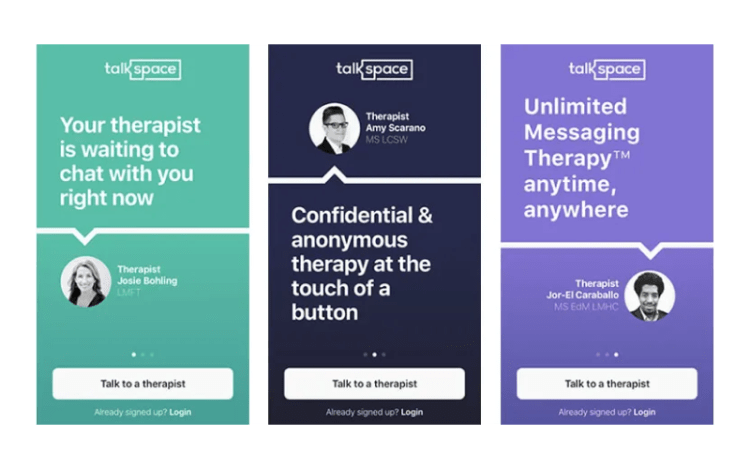
Talkspace is one of the best therapy apps for accessible and convenient virtual mental health support. It connects users with licensed therapists for personalized counseling, making professional help more flexible and easier to access.
The platform offers text, audio, and video messaging with therapists, along with tools for tracking progress and managing mental health over time.
Recommended for: Individuals seeking flexible, professional therapy with the convenience of remote communication.
iOS App
Yes (Rating: 4.8/5 ⭐)
Android App
Yes (Rating: 4.4/5 ⭐)
Web-Based Portal
Yes
Text, Audio, and Video Chat with Therapists
Progress Tracking and Goal Setting
Personalized Therapy Matching
Secure and Confidential Communication
Intuitive User Interface for Easy Navigation
Weekly
Starts at $65/week

Vantage Fit
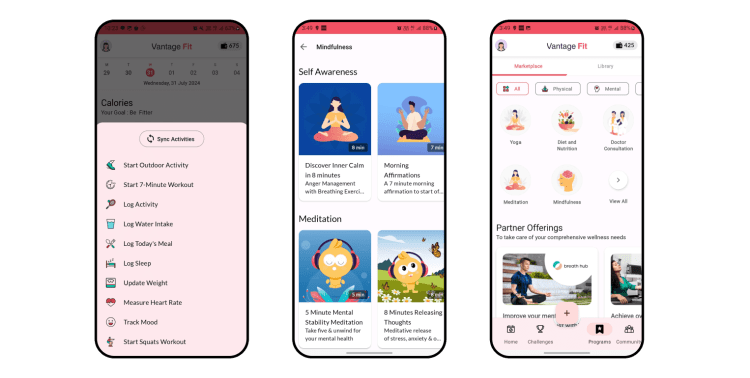
Vantage Fit is a corporate wellness app designed to enhance employee health and well-being through challenges and rewards. Alongside physical activity and healthy eating, it includes guided meditations and wellness content to support stress management and emotional balance.
The meditation section helps users reduce anxiety, improve focus, and foster calm. With a user-friendly interface and customizable challenges, the platform helps companies engage employees in both physical and mental wellness activities.
Recommended for: Individuals and organisations looking for a gamified approach to improving mental health and building positive habits.
iOS App
Yes (Rating: 4.5/5 ⭐)
Android App
Yes (Rating: 3.5/5 ⭐)
Web-Based Portal
Yes
Science-Based Activities and Games
Personalized Tracks for Different Goals
Positive Psychology and CBT Techniques
Progress Tracking and Insights
Engaging and Interactive User Interface
Custom
Starts at $1500

Brightside
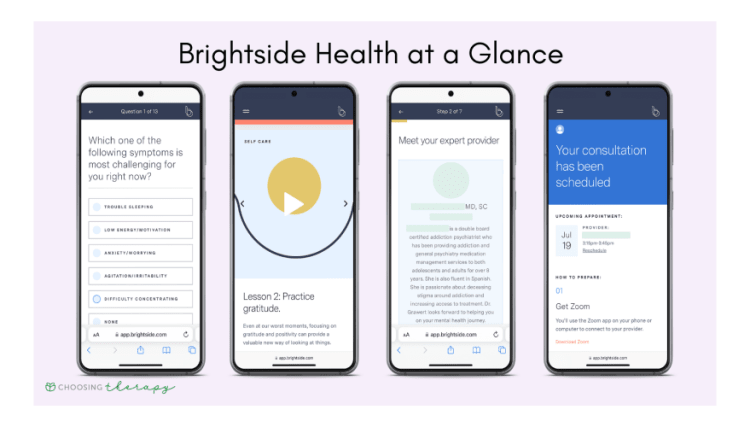
Brightside offers a comprehensive mental health solution through personalized therapy and medication management. It connects users with licensed therapists and psychiatric providers to deliver tailored treatment plans that combine therapy and medication when needed.
The app provides convenient access to therapy sessions, medication tracking, and progress monitoring. Its focus on evidence-based treatment and individualized care makes it a reliable choice for anxiety and depression support.
Recommended for: Individuals seeking integrated therapy and medication management for mental health conditions.
iOS App
Yes (Rating: 4.3/5 ⭐)
Android App
Yes (Rating: 3.7/5 ⭐)
Web-Based Portal
Yes
Personalized Therapy Sessions
Medication Management and Tracking
Evidence-Based Treatment Plans
Licensed Therapists and Psychiatric Providers
User-Friendly Interface with Easy Access to Care
Therapy
Starts at $95

Insight Timer
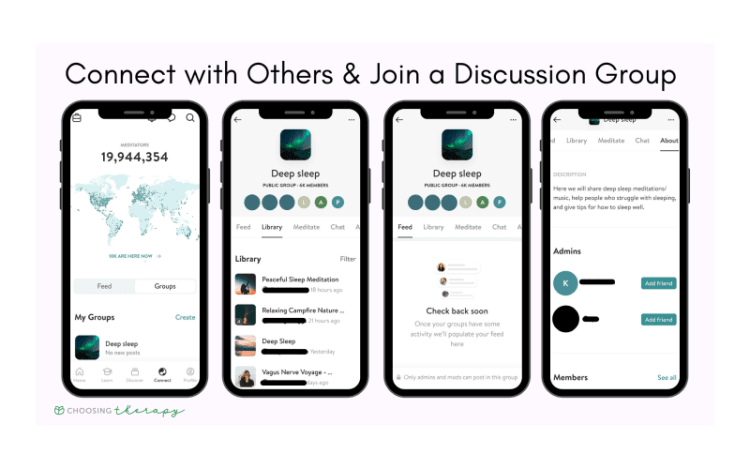
Insight Timer is a widely used meditation app offering a vast library of guided meditations, music tracks, and talks from mindfulness experts. It caters to users of all experience levels and helps them improve calm, focus, and sleep.
The app’s diverse content, including meditation courses and community features, provides a supportive environment for users to deepen their mindfulness practice. Both free and premium offerings make it broadly accessible.
Recommended for: Individuals seeking a comprehensive meditation app with a large variety of content and community support.
iOS App
Yes (Rating: 4.9/5 ⭐)
Android App
Yes (Rating: 4.7/5 ⭐)
Web-Based Portal
Yes
Extensive Library of Guided Meditations
Music for Relaxation and Focus
Talks and Courses from Mindfulness Experts
Community Features and Groups
Customizable Meditation Timers
Premium Subscription
$59.99/year
MindShift
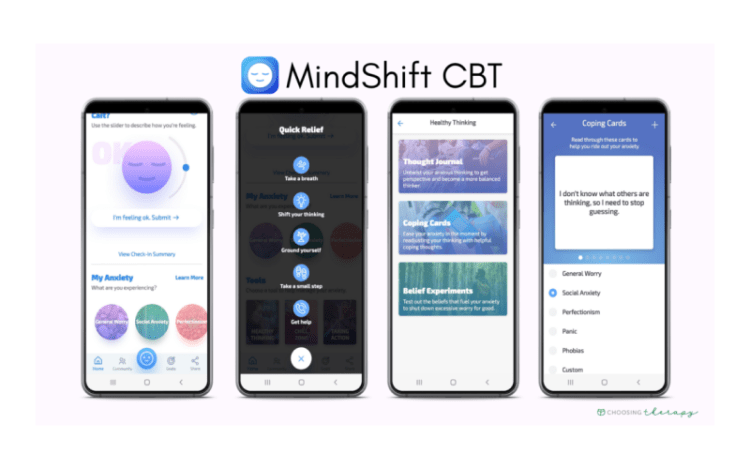
MindShift is a cognitive behavioral therapy-based app designed to help users manage anxiety and develop healthier thinking patterns. It provides tools and techniques to build coping skills and improve mental well-being.
The app includes guided meditations, mood tracking, and personalized anxiety management plans. Its focus on evidence-based strategies makes it a practical self-help option.
Recommended for: Individuals seeking effective strategies to manage anxiety and build resilience through CBT techniques.
iOS App
Yes (Rating: 3.7/5 ⭐)
Android App
Yes (Rating: 4.2/5 ⭐)
Web-Based Portal
Yes
CBT-Based Tools and Techniques
Guided Meditations and Relaxation Exercises
Personalized Anxiety Management Plans
Mood Tracking and Progress Monitoring
User-Friendly and Supportive Interface
Plan
Free
Stop, Breathe & Think
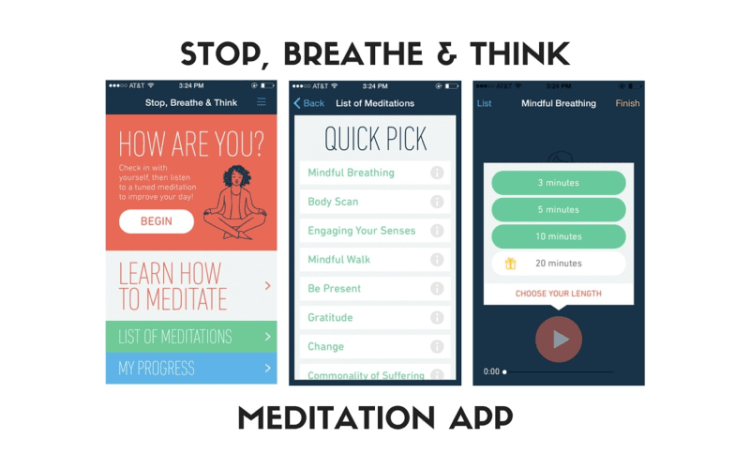
Stop, Breathe & Think is a mindfulness and meditation app designed to help users manage stress, anxiety, and overall emotional well-being. The app encourages users to check in with their emotions and provides personalized meditation recommendations based on how they feel.
With guided meditations, breathing exercises, and mindfulness techniques, it offers a tailored approach to mental wellness support.
Recommended for: Individuals seeking a personalized mindfulness and meditation app to manage stress and enhance emotional well-being.
iOS App
Yes
Android App
No
Web-Based Portal
Yes
Personalized Meditation Recommendations
Emotion Check-In and Mood Tracking
Guided Meditations and Breathing Exercises
Mindfulness Techniques and Activities
User-Friendly and Customizable Interface
Plan
Free
Aura Health
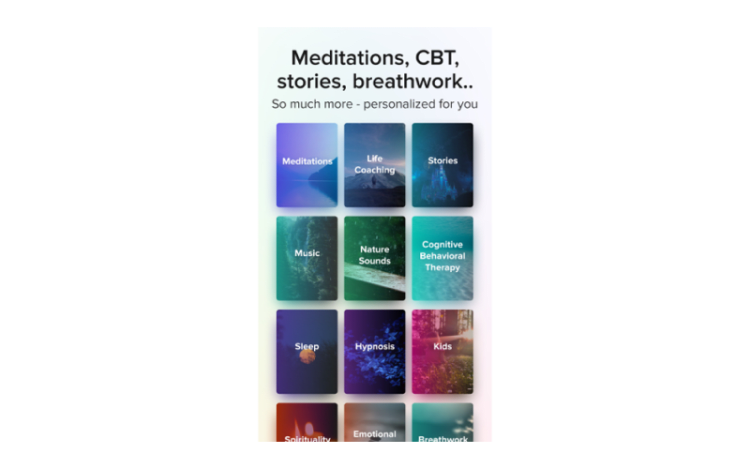
Aura Health is a personalized meditation and wellness app that provides a curated experience to help users manage stress, anxiety, and sleep better. It uses AI to tailor meditation sessions, sleep stories, and mindfulness exercises to individual preferences and moods.
The platform includes an extensive library of content from coaches and therapists. With daily recommendations and a user-friendly interface, it makes mindfulness easier to build into everyday life.
Recommended for: Individuals seeking a personalized and AI-driven meditation app to improve sleep, reduce stress, and enhance overall well-being.
iOS App
Yes (Rating: 4.7/5 ⭐)
Android App
Yes (Rating: 4.5/5 ⭐)
Web-Based Portal
Yes
AI-Powered Personalized Meditations
Extensive Library of Sleep Stories and Mindfulness Exercises
Daily Recommendations Based on Mood
Content from Top Coaches and Therapists
User-Friendly and Intuitive Interface
Monthly
Starts at $15/month
What Makes a Mental Wellness App Effective for Daily Use?
An effective mental wellness app should fit naturally into real life. Most users do not need a platform that feels overwhelming or clinical from the first session. They need something that helps them pause, reflect, and take action in a realistic way, whether that means a five-minute breathing session before work, a guided meditation before bed, or regular mood logging that reveals patterns over time.
Consistency is one of the strongest indicators of value. Apps that encourage small, repeatable actions often deliver more lasting benefits than platforms built around occasional deep engagement. Features such as personalized recommendations, streaks, reminders, short-form sessions, and progress tracking can make a major difference because they reduce the effort required to maintain a healthy habit.
Trust also matters. Mental wellness is personal, and users need to feel confident that the content is credible, relevant, and respectful of privacy. Apps that clearly explain their methods, reference evidence-based techniques, and protect user data tend to create a stronger sense of safety. That is especially important when a platform includes journaling, therapy access, emotional check-ins, or sensitive health information.
Finally, the right app depends on the user’s goal. Someone dealing with work stress may prefer meditation and relaxation content, while another person may need CBT-based exercises, coaching, or therapist access. The most effective choice is the app that aligns with the user’s lifestyle, comfort level, and support needs, then makes ongoing care feel manageable rather than intimidating. Strong onboarding, realistic guidance, and flexible session lengths can improve long-term adoption. Usability matters.
Benefits of Apps that Help with Mental Health
Mental wellness apps offer several benefits that contribute to overall mental well-being:
Accessibility: They provide mental health support anytime and anywhere, making it easier to integrate wellness practices into daily routines.
Convenience: Users can access guided meditations, therapy sessions, and other support resources without needing to schedule appointments or travel.
Cost-Effectiveness: Many apps offer free or affordable options compared to traditional therapy, making support more accessible to a broader audience.
Continuous Support: They offer ongoing tools and resources to manage stress, track progress, and maintain mental health.
Privacy: Users can explore mental health resources and practices in a private and discreet manner, which is especially valuable for those hesitant to seek in-person help.
Education and Awareness: Apps provide valuable information on mental health topics, helping users understand and address their concerns more effectively.
Mental wellness apps improve accessibility, convenience, and privacy while providing valuable resources for continuous support and education.
How To Choose the Right Mental Wellness App?
Selecting the ideal mental wellness app involves evaluating whether it matches your specific goals, whether that means stress management, mood tracking, better sleep, or therapy access. Start by identifying the features that matter most to you.
Review the app’s offerings thoroughly. Some focus on meditation, others on mood tracking or virtual therapy. User reviews and ratings can help you assess performance, reliability, and real-world effectiveness.
Usability also matters. Choose an app with intuitive design and strong privacy practices so it fits naturally into your routine and protects your personal information. If possible, prioritize apps endorsed by mental health professionals.
Finally, take advantage of free trials or basic plans. These make it easier to test features before committing to a subscription or one-time purchase.
FAQ
Q. Can mental wellness apps replace professional therapy?
A: Mental wellness apps can complement professional therapy by providing additional tools and resources for managing mental health. However, they are not a substitute for professional counseling or therapy.
Q. Are mental wellness apps effective?
A: Mental wellness apps can be effective tools for managing stress, anxiety, and other mental health concerns, especially when used consistently.
Q. Can I use mental wellness apps if I have specific mental health conditions?
A: Many mental wellness apps are designed to help with conditions such as anxiety or depression. It is important to choose apps with features relevant to your needs and consult a mental health professional to ensure the app complements your treatment plan.
Q. How much do mental wellness apps cost?
A: Many mental wellness apps offer free versions with basic features, while more comprehensive tools or premium content may require a subscription or one-time purchase.
Q. Are mental wellness apps secure and private?
A: Most reputable mental wellness apps prioritize user privacy and data security, but you should still review their privacy policies to understand how your information is handled. Look for apps that use encryption and follow strong data protection standards.