Brain breaks for adults are short pauses, such as a walk, a stretch or a breathing exercise, that give your mind a rest from focused work. They help: a 2022 meta-analysis found that micro-breaks of up to 10 minutes left people feeling a little more energetic and less tired.
Long stretches of concentration can leave the mind blank and frustrated. A quick reset helps employees handle workplace stress, refocus and return with fresh ideas, which is good news for their mental health too.
Allowing breaks is only half the job; the other half is helping employees use them well. Here are eight brain break ideas for adults at work, and how tools like Vantage Fit can turn them into a daily habit.
Key Takeaways
- Brain breaks are short pauses that rest the mind, and they work best when taken often and away from the desk.
- Meditation, a short walk and simple stretches are the quickest brain breaks to fit into a workday.
- Creative and social breaks, such as reading, doodling, a book club or a shared laugh, give the mind a different kind of rest.
- Letting employees choose their own favorite activities can work better than prescribing a single routine.
- Making breaks a team habit, with tools that track active minutes and mindfulness, keeps them from being skipped on busy days.
What Are the Best Brain Breaks for Adults at Work?
The best brain breaks take you away from your screen for a few minutes and change what your mind is doing. Meditation, walks and stretches rest body and mind, while reading, art, laughter and favorite hobbies give your thoughts a different focus. Here are eight ideas to try.
1. Meditation
The point of a break is to step out of workplace stress for a few minutes, and office meditation techniques help you do just that. A few slow, deep breaths can calm the mind and ease tension.
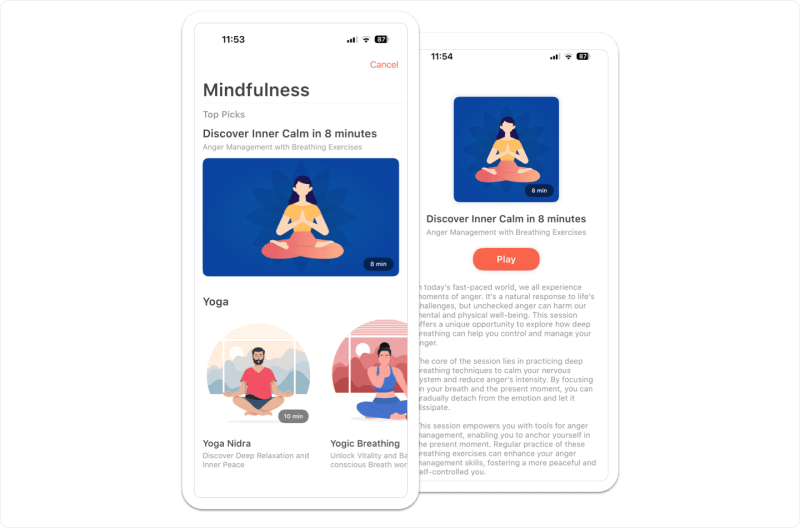
Even a 10 to 15 minute meditation session can make a difference, and employee wellness apps make guided meditation possible almost anywhere.
Read our blog on: 13 Mindfulness Exercises to Improve Employee Well-being at Work
2. Walk
A full day in the office can leave your brain feeling worn out, and a short walk outside is an easy fix. Time outdoors is a natural stress reliever and good for overall employee health.

Walking also strengthens bones, helps with weight management, improves sleep, supports healthy joints and lifts mood, so a brisk stroll ticks many boxes at once.
To bring remote teammates along, you can plan a virtual walkathon. Vantage Fit’s 2021 Global Corporate Virtual Walkathon drew more than 3,700 employees from over 24 countries, with over 74 teams competing, according to the event announcement.
Read our blog on: 7 Ways How Hosting A Walkathon Benefits Your Workforce
3. Reading Material
Reading is another good way to give your brain a break, as long as the material has nothing to do with work. Encourage employees to pick up novels, short stories or poems. Self-help books can also teach lessons that carry over into both work and personal life.
Photo by Christin Hume / Unsplash

Employees can even start a book club to swap recommendations and talk about their favorite reads. Beyond being a good brain break, it is a fun way to build social wellness.
Read our blog on: 20 Fun Social Wellness Activities for the Workplace
4. Stretches
Office stretches are one of the best ways to relieve workplace fatigue, and they help with posture, which often suffers at a desk. Even simple forearm, torso, chest and neck stretches help both body and mind.
Photo by Clarissa Carbungco / Unsplash

Employees can do stretches at their desk, but stepping away from the workstation is better, because it takes them away from the screen and the pile of work for a few minutes.
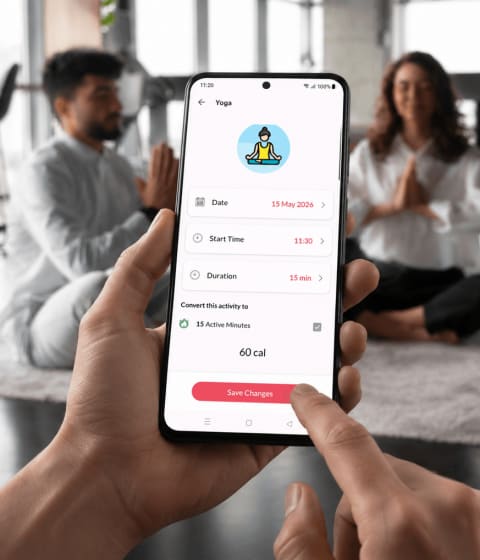
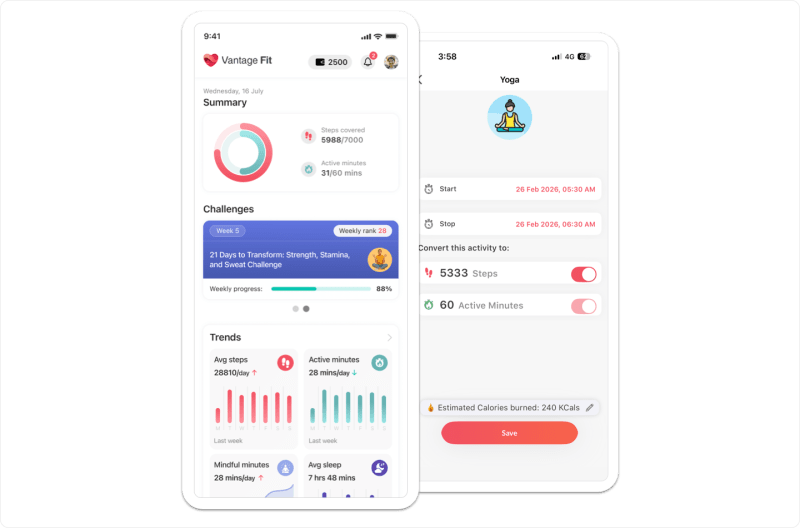
Vantage Fit supports quick brain breaks with its Mindfulness library of guided sessions, a built-in 7-Minute Workout for a fast burst of movement, and Active Minutes tracking, so employees can see how active their day has been.
5. Get Artistic
A little art is another good distraction from work. Doodling is a simple example: encourage employees to scribble on paper or write a short poem and let their minds wander.
Photo by Prophsee Journals / Unsplash

Learning something new works too. Picking up a new language, for example, builds skills that can help in an employee’s career.
6. Cloud Gazing
This brain break taps into creativity. Remember spotting animals and everyday objects in the clouds as a child? Employees can try the same thing during a break.

Photo by All New Business
Cloud gazing is calming and reconnects you with nature in the middle of a busy day, something most people lose touch with. It can also sharpen your powers of observation.
7. Laugh Out Loud
Laughter is one of the quickest ways to ease tension. As the saying goes, laughter is the best medicine, and a good laugh can help you relax and lift your mood.
Photo by Christin Noelle / Unsplash

That makes a good laugh an excellent break: employees can watch a funny video or a short stand-up clip.
8. Favorite Activities
Last but not least, let employees spend a break on something they love, such as listening to music, painting, writing or catching up with friends and family. Personal choices like these can feel better than any break an employer prescribes.
Photo by Siddharth Bhogra / Unsplash

Whatever the activity, the rest itself is what counts. Holistic wellness practitioner Sindhujaa Kumar explains why on the Vantage Fit podcast:
"But what we need to realise is that deep, meaningful rest doesn't actually lower productivity, but boosts it instead."
— Sindhujaa Kumar, Holistic Wellness Practitioner | Listen to the full episode
Conclusion
Work keeps getting more demanding, and breaks are one of the simplest ways to stay healthy and maintain a healthy work-life balance through it. Whether it is a brain break, a mental health day off or a short walk, what matters is that employees use their breaks well.
Start with one or two of the ideas above, make them part of the team’s day, and see which ones your people come back to.
Frequently Asked Questions
What are the best exercises during work breaks?
Neck, shoulder and wrist stretches, a brisk walk, or a short bodyweight routine such as the 7-minute workout all fit into a few minutes. Stepping away from your desk adds a helpful change of scene.
How long should a brain break be?
Most brain breaks take 5 to 15 minutes. The research on micro-breaks looked at pauses of up to 10 minutes, so even a very short break is worth taking.
What are some fun brain breaks for adults at work?
Doodling, cloud gazing, a funny video, a book-club chat or a walk with a colleague are easy, low-pressure ways to give your mind a rest.
How often should adults take brain breaks?
Many people find that a short pause every hour or so keeps them fresh. Breaks work best spread through the day, before tiredness and frustration build up.
Do brain breaks improve productivity?
Short breaks reliably help with energy and fatigue. Their effect on output is less clear: a 2022 meta-analysis found no significant overall boost to performance from breaks of 10 minutes or less, while longer rest may help after draining work.