

A mental block at work is a temporary psychological barrier that disrupts your ability to focus, think clearly, or make progress on a task. It often stems from stress, mental fatigue, pressure, or feeling overwhelmed, leaving you mentally stuck and struggling to stay motivated or productive.
According to a Miro report, almost 60% of workers experience mental blocks weekly or daily. These cognitive roadblocks can range from creative slumps to simple forgetfulness and significantly impact productivity.
Understanding the causes of mental blocks is essential for organizations to provide adequate support. But before we discuss strategies for overcoming mental blocks, let's examine why they occur and what their symptoms are.
Understanding Mental Blocks
Mental blocks rarely affect everyone in the same way. For some, they appear as a sudden creative slump. Others may experience persistent mental fatigue or a sense of feeling mentally stuck despite putting in effort.
What makes these barriers hard is that they arrive without warning. A task you usually breeze through can suddenly feel overwhelming. Ideas that once came easily start to feel forced.
Over time, that gap chips away at confidence and makes progress feel slower than it really is.
Common signs of a mental block include:
Procrastination: Putting off tasks due to fear, doubt, or overwhelm.
Lack of Motivation: Feeling uninspired or uninterested in your work.
Imposter Syndrome: Doubting your abilities and feeling like a fraud.
Perfectionism: Setting unrealistic standards that lead to frustration and anxiety.
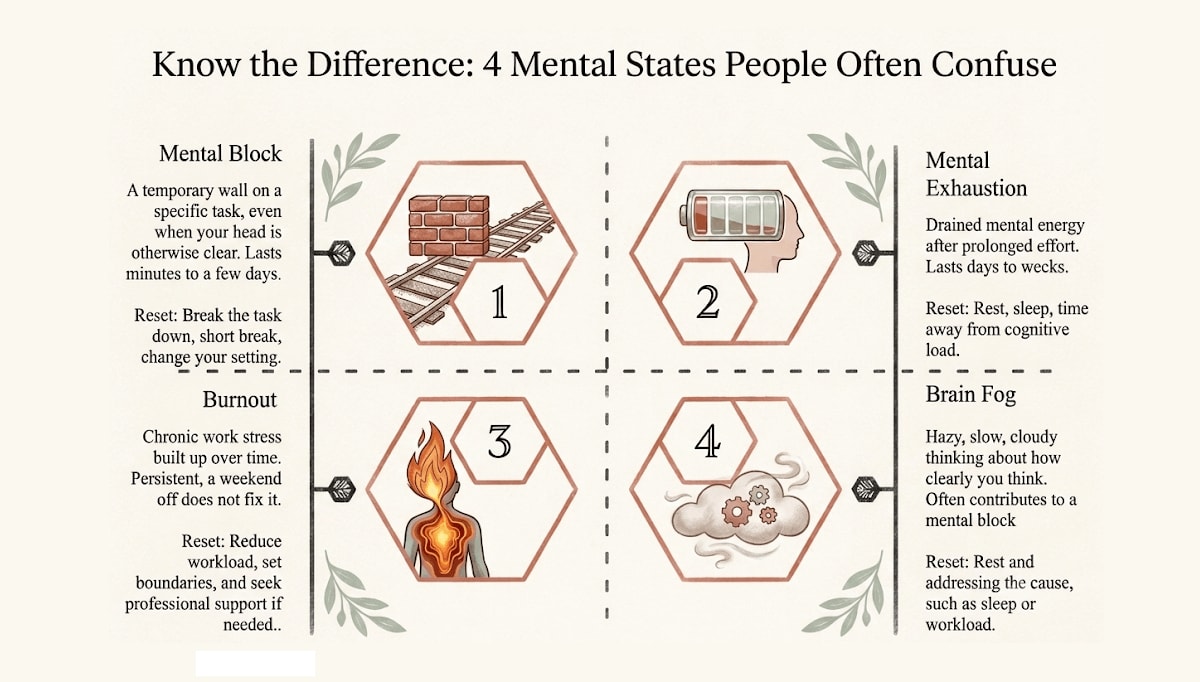
Remember, mental block is not the same as mental exhaustion. It can be one factor, but not the main reason. You are usually unable to access your natural creative skills and abilities. Everyone is susceptible to it, and it can happen at any time.
Mental block, mental exhaustion, and burnout get blurred together constantly. Here is how the three compare, because the fix for each is different:
| How they differ | Mental block | Mental exhaustion | Burnout |
|---|---|---|---|
| What it is | A temporary barrier to focus or progress on a task | Drained mental energy after prolonged effort | Chronic work stress that has built up over time |
| How long it lasts | Short, often minutes to a few days | Days to weeks, and eases with rest | Persistent, and a weekend off does not fix it |
| Main trigger | Overwhelm, fear, perfectionism, or a specific stuck point | Sustained mental workload without recovery | Ongoing unmanaged stress, low control, little reward |
| How it feels | "I cannot get started or think clearly on this" | "My brain feels fried and slow" | "I feel cynical, detached, and completely spent" |
| What helps | Break the task down, take a short break, change your setting | Rest, sleep, and time away from cognitive load | Workload or role changes, and often professional support |
Brain fog belongs in this conversation too. It is that hazy, unfocused state where thinking itself feels slow and cloudy, and it is one of the most common triggers of a mental block at work.
The difference is simple: brain fog is about how clearly you can think, while a mental block is about getting stuck on a specific task even when your head feels clear. They often feed each other, which is why brain fog at work and mental blocks tend to show up together.
Forbes reports that unchecked mental fatigue can even impact your physical health. If you don't learn to overcome a mental block, it can derail your productivity and sense of contentment with life.
What Causes Mental Blocks at Work?
Mental blocks among employees can significantly impact employee productivity, job satisfaction, and overall organizational performance.
No matter what you call them, all mental blocks are caused by the same factors. Some are more common than others, but they are believed to be the reasons behind limiting employees' ability to perform or focus.
According to Harvard Health Letter, the causes of mental blocks or the inability to think clearly are:
Lack of sleep
Vitamin B12 Deficiency
Prescription and over-the-counter medication
Suggested Read: How Sleep Deprivation Affects Work Performance
There are more causes or factors leading to mental blocks than those listed above:
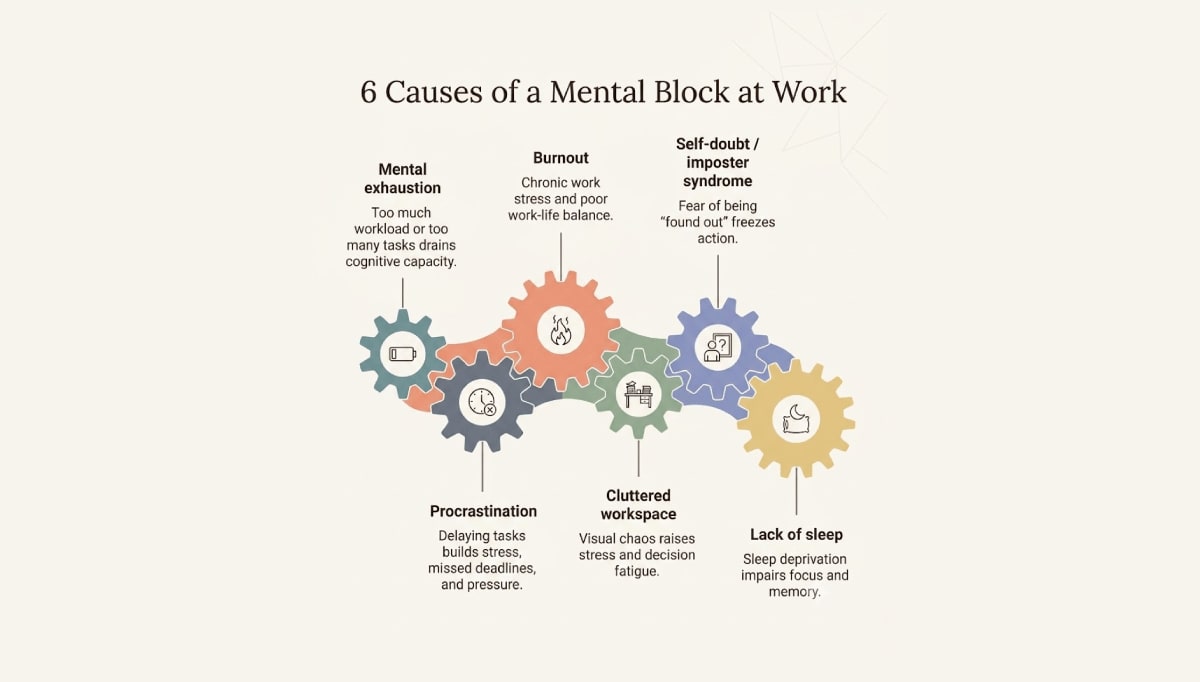
1. Mental Exhaustion

Feeling overwhelmed by a large workload or complex tasks can often lead to mental blocks. When your employees feel overwhelmed with thoughts or too many tasks, it can cause mental exhaustion, eventually resulting in mental blocks.
In addition, mental exhaustion can result in overstimulated brain cells. This can impair your employees' cognitive abilities, such as their thought process, decision-making abilities, creativity, and others, reducing their productivity.
2. Procrastination
Procrastination, delaying important tasks, can significantly impact employee productivity and job satisfaction. It can increase stress, missed deadlines, and a damaged reputation.
Procrastination can damage an employee's reputation and hinder career advancement.
Organizations should create a supportive environment to combat procrastination, set clear expectations, provide time management training, and prioritize employee wellbeing. By addressing this common workplace challenge, companies can foster a more productive and positive work culture.
3. Burnout

Work fatigue and stress commonly contribute to burnout, negatively impacting employee wellbeing and productivity. A lack of a healthy work-life balance, overwhelming workloads, or decision fatigue can lead to mental blocks and burnout. A broader look at this is covered in our guide to employee wellness and stress management.
Burnout can also lead to decreased productivity, increased absenteeism, lower job satisfaction, and higher turnover rates. When it has already set in, the path forward via recovering from burnout is distinct from the everyday prevention strategies that stop it building in the first place.
4. Cluttered Workspace
A cluttered workspace can quietly erode focus. A disorganized desk raises stress, anxiety, and even cortisol levels, and it feeds decision fatigue as the brain is bombarded with visual noise.
5. Self-doubt/imposter syndrome

Imposter syndrome, the fear of being exposed as a fraud, is a common cause of mental blocks in the workplace. This internal struggle can significantly impact employee confidence, productivity, and wellbeing.
It can decrease productivity since employees battling imposter syndrome may hesitate to take on new challenges or express their opinions. The constant fear of being exposed can also contribute to stress and anxiety; and it feeds directly into perfectionism-driven procrastination.
A Vantage Fit podcast guest captured this pattern in a way that feels all too familiar:
"A perfectionist is primarily not happy with oneself. Anything that is brought to him or her, they'll find flaws in it. That's a sad state to be. It gets the mind to do a lot of monkey tricks — postponing the task, justifying why you can't start, building up fear."
— Chandra Sekar R., Organizational Development Specialist | Listen to the full episode
Managers dealing with these patterns in their teams can find practical steps in our guide to helping employees manage work anxiety.
6. Lack of Sleep
Sleep deprivation can significantly impair cognitive function and contribute to mental blocks. When employees are sleep-deprived or overworked, they are more likely to experience:
Decreased concentration: Difficulty focusing on tasks and retaining information.
Increased irritability: Mood swings and difficulty managing emotions.
To combat mental fog, encourage employees to prioritize adequate sleep and take regular breaks throughout the day.
How to Identify If an Employee Is Suffering from Mental Blocks?

Mental blocks often stem from underlying issues such as sleep deprivation and workplace stress. According to the CDC, one-third of Americans don't get enough sleep, while nearly 83% experience workplace stress. These factors can contribute to mental exhaustion and burnout, making employees more susceptible to mental blocks.
Here are a few signs that an employee might be experiencing one right now:
Lack of creativity or inability to come up with new ideas
Persistent self-doubt or negative thought patterns
Difficulty focusing on tasks or getting motivated to start them
A noticeable drop off in productivity and performance
Struggling to make decisions through mental fog
Avoiding responsibilities and procrastinating work
Feeling overwhelmed or frequently operating at a high stress level.
Even small, recurring dips in focus add up. An hour of lost productivity per employee each week compounds quickly across a large team, which is why mental blocks are a business problem, not just a personal one.
Can Employers Help Overcome Mental Block?

Employers play a crucial role here. The shift that matters most is from supervisor to coach: guiding and supporting employees when they get stuck.
By recognizing the signs of mental blocks, managers can intervene effectively. This may involve:
One-on-One Discussions: Engaging in open conversations to understand the root causes of mental blocks.
Providing Resources: Offering tools and strategies for managing stress and improving focus.
Adjusting Workloads: Modifying tasks or deadlines to alleviate pressure and prevent burnout.
According to the same Miro report, about 63% of workers experience mental blocks when working alone, compared with less than 40% when collaborating with others. Leaders can promote collaboration in a variety of ways: verbally promoting it and rewarding it, setting aside time for team huddles, and using tech tools that facilitate real-time group work.
Extending that support beyond conversations often starts with structure.
Vantage Fit brings guided meditation, daily mood tracking, and short mindfulness sessions into the workday, making it easier for employees to pause, reset, and stay steady through daily pressures.
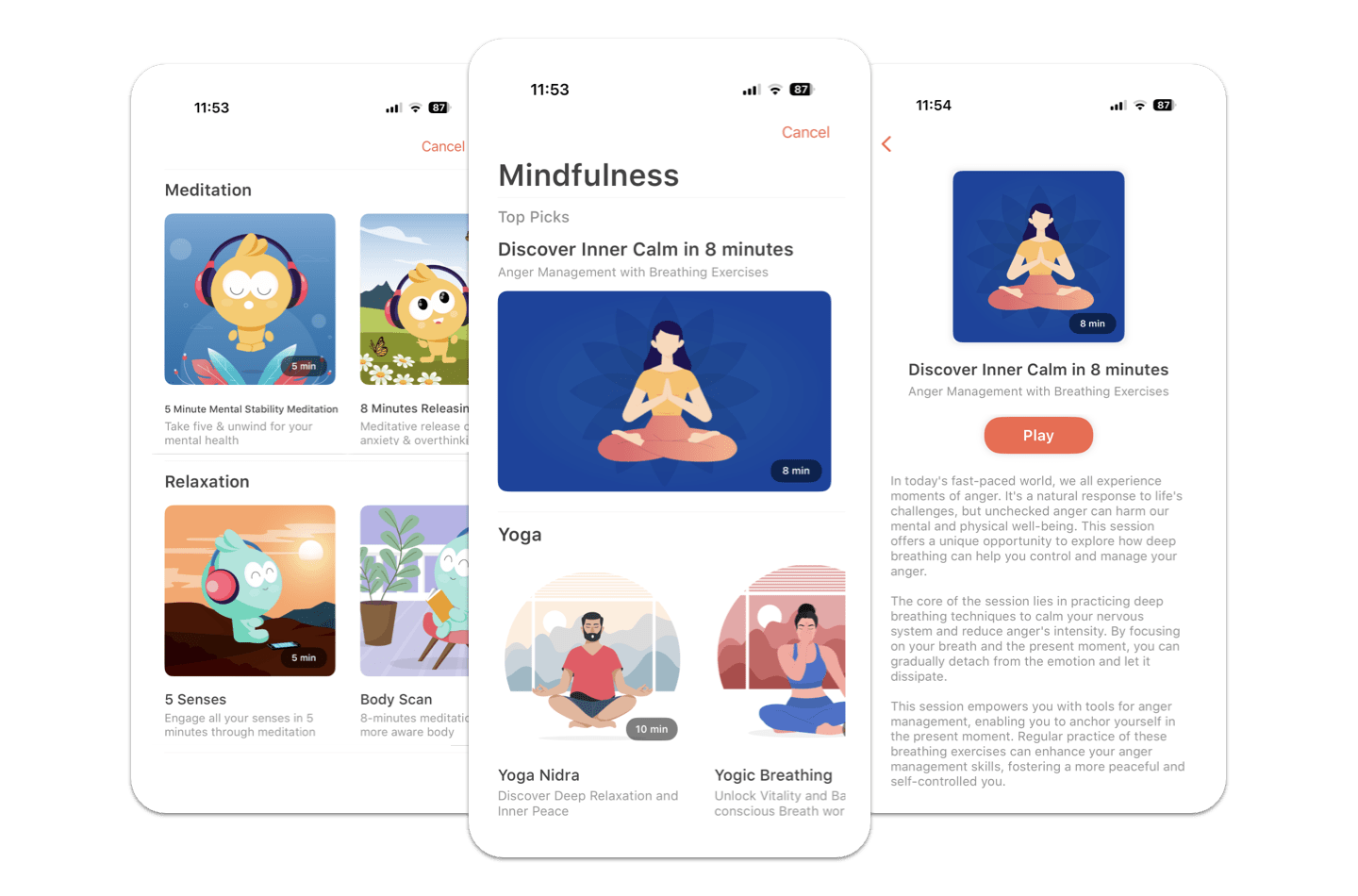
Over time, these small moments of awareness help prevent stress from building up in the background. Managers also gain a clearer view of overall wellbeing trends, allowing them to respond with more context and care.
IBS Software's 28-day March to Fitness campaign shows how this plays out in practice. A total of 130 participants tracked their daily mood, while 95 engaged with mental wellness activities, contributing to an overall engagement rate of 88 percent. Regular access to the right tools helped turn a short-term initiative into habits employees carried forward each day.
5 Winning Strategies to Help Employees Overcome Mental Blocks
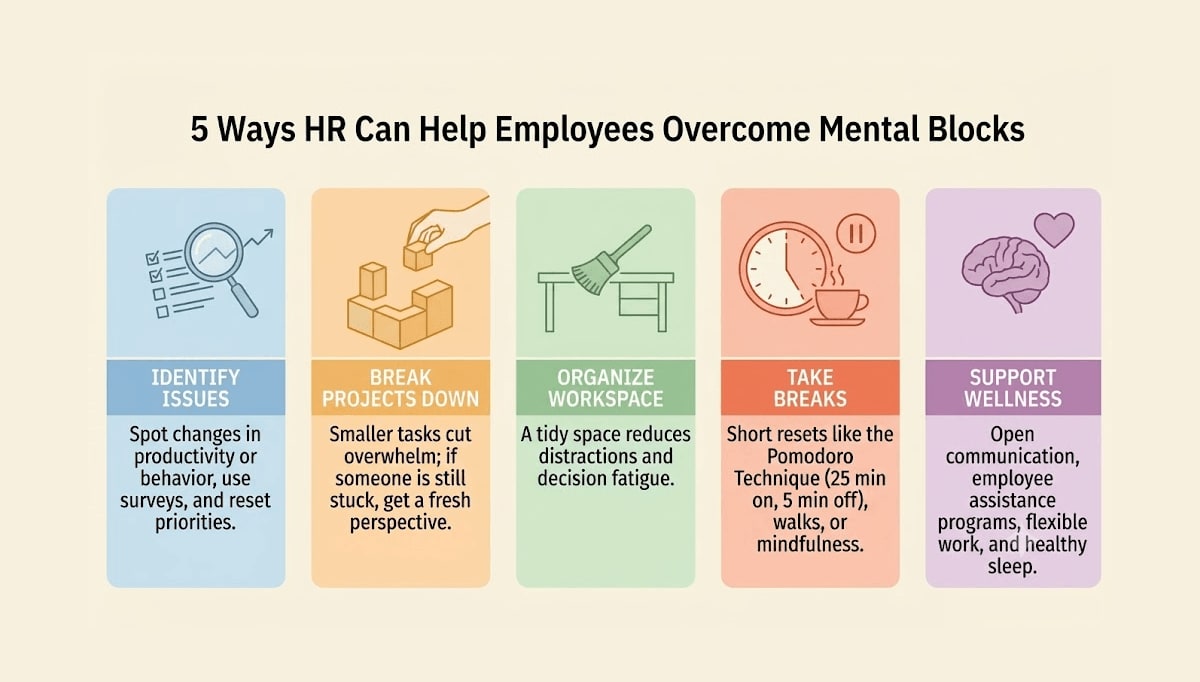
Mental blocks usually come down to two things: too little information or too much work. Address those root causes, and you help employees get unstuck and do their best work.
1. Identifying and Addressing Mental Blocks
The first step is to identify the underlying issue. Look for changes in productivity, communication, or overall demeanor. Encourage employees to share their challenges and concerns. You can also use surveys or feedback mechanisms to gather insights.
The next step is to reevaluate priorities, meaning you assess your team's workload. Ensure employees have manageable workloads and deadlines. Help them prioritize tasks based on importance and urgency. Communicate clear goals and expectations to reduce confusion and stress.
When you complete or accomplish goals, your brain releases dopamine which further helps to improve your mental health and mood. Starting small and accomplishing small tasks can affect your overall mental health in a good way.
2. Break Down Projects into Smaller Tasks

One of the most effective strategies for overcoming mental blocks is to break down large projects into smaller, more manageable tasks. This approach can simplify complex tasks, making them less daunting and increasing motivation.
Employees can minimize the workload and stress associated with tackling the big picture by focusing on important tasks one at a time. Completing smaller tasks can also provide a sense of accomplishment and momentum, boosting morale and motivation.
When someone is still stuck after breaking a task down, a fresh perspective often breaks the logjam. Encourage employees to talk the problem through with a colleague, manager, or mentor. Explaining it out loud, or hearing how someone else would approach it, frequently surfaces the next step that was hidden a moment ago.
3. Declutter Your Workspace
"A cluttered physical space can lead to a cluttered mental space. - unknown"
A cluttered workspace can significantly impact employee productivity and mental clarity. When your work environment is cluttered or uninspiring, overcoming mental blocks becomes challenging. By creating a clean and organized environment, managers can help their teams:
Reduce Distractions: A tidy workspace minimizes visual distractions, allowing employees to focus on tasks.
Improve Focus: A decluttered environment can enhance concentration and reduce mental fatigue.
Reduce Stress: A clean and organized space can create a calmer and more relaxed atmosphere.
Encourage employees to declutter their workspaces regularly and provide resources to help them create a productive and inspiring environment. A tidy workspace can contribute to a calmer and more relaxed atmosphere, reducing the likelihood of mental blocks and improving productivity.
4. Encourage Mental Breaks To Reset The Mind.

Just like any finely tuned machine, our minds and bodies need regular maintenance to function optimally. In the fast-paced world of work, taking short breaks throughout the day is essential for preventing burnout and maintaining peak performance.
A sedentary work style makes mental blocks worse. Sitting for long stretches without a break dulls focus and adds physical discomfort, which hurts productivity and invites errors.
Here are a few steps you can follow to encourage breaks:
Create a workplace culture that supports taking short breaks throughout the day.
Try a proven method like the Pomodoro Technique: 25 minutes of focused work followed by a 5-minute break keeps the mind fresh and stops fatigue from hardening into a block.
Whether it's a quick walk, a brief meditation session, or simply stepping away from your desk, these breaks provide a much-needed mental reset.
Consider offering flexible work options to allow for movement and activity breaks.
Implement employee wellness programs that promote healthy habits and encourage physical activity.
The payoff is real: breaks restore energy and concentration, ease stress and anxiety, and often spark fresh ideas.
Short guided sessions like mindfulness exercises at work or simple breathwork techniques are particularly effective for this kind of mental reset. Teams that have built dedicated relaxation sessions into their working day report tangible returns. Celegence, which incorporated guided wellness tools for its employees, noted:
"One of the features I loved the most is the Yoga Nidra session, which helped us relax in the stress-induced environment."
— Celegence
Try this: Run a guided Breathing Exercise Challenge to give your team a simple daily reset for when focus slips.
5. Prioritize Mental Health and Self-care
Mental health deserves the same priority as physical health, and sidelining it drags down overall wellbeing. Just like the body, the mind needs time to rest and revitalize.
Here are a few ways you support employee Mental Health:
Foster a culture of open communication, empathy, and understanding. Encourage employees to share their concerns and seek support without fear of judgment.
Provide access to mental health programs, counseling services, and employee assistance programs.
Implement flexible work options to accommodate employees' needs and reduce stress.
Promote healthy habits such as exercise, nutrition, and sufficient sleep (7-9 hours).
Encourage employees to take breaks, practice mindfulness, and engage in activities that help them relax and recharge.
Demonstrate your commitment to mental health by prioritizing your own wellbeing. When leaders model self-care, it sends a clear message to employees. And knowing what employee mental health benefits are available helps HR build the business case for investing in them.
Frequently Asked Questions
How do you overcome a mental block at work?
Break the task into smaller steps, clear your workspace, and take a short movement or breathing break to reset. If the block persists, name the underlying cause, such as fatigue, overwhelm, or self-doubt, and address that directly instead of forcing focus.
What is the main cause of mental blocks at work?
There is rarely a single cause. The most common drivers are mental exhaustion, procrastination, burnout, a cluttered workspace, self-doubt, and poor sleep. Heavy workload and unmanaged stress usually sit underneath all of them.
Can mental blocks lead to long-term issues if not addressed?
Yes, untreated mental blocks can lead to chronic stress, burnout, and decreased productivity.
Are certain employees more prone to experiencing mental blocks than others?
Individuals with high levels of stress, anxiety, or perfectionism may be more susceptible to mental blocks.
How can employees themselves take proactive steps to avoid mental blocks?
Employees can practice stress management techniques, prioritize self-care, and seek support when needed.
What are some early warning signs of a mental block that managers should look out for?
Managers should watch for decreased productivity, changes in behavior, and increased stress or anxiety.