A hospital wellness program is a set of benefits and activities that helps doctors, nurses, and other hospital staff manage stress, shift work, and burnout. Strong programs cover physical, mental, social, and financial wellness. The need is urgent: the CDC reports that 46% of health workers often felt burned out in 2022, up from 32% in 2018.
Wellness platforms like Vantage Fit help hospitals reach staff on every shift with step challenges, rewards, and real-time participation data.
Key Takeaways
- Hospital wellness programs are built around the realities of healthcare work: long and night shifts, exposure to illness, emotional strain, and student loans.
- Healthcare workers report very high stress, anxiety, and burnout, along with higher rates of obesity and chronic disease than many other professions.
- An effective program covers four areas: physical, mental, social, and financial wellness.
- Start by understanding your teams and surveying them anonymously, then offer flexible choices and review the program after six months.
- Healthier hospital staff provide better patient care, so wellness benefits patients as well as employees.
Think about this: many healthcare workers are struggling with exhaustion, sadness, and anxiety. This is a big concern because they are the ones taking care of us when we are ill.
Hospital work is often tough and stressful. Hospital employees often become very tired and stressed, affecting their productivity.
Hospitals are starting special programs to tackle this problem. These programs are designed to help staff stay healthy and happy. When healthcare workers feel good about their work, they can care for their patients better. This benefits everyone and helps make the hospital a better place for staff and patients.
What is a Hospital Wellness Program?

Hospital wellness programs are special programs for health workers. They help with the unique needs and ways of life of these workers. The programs acknowledge the emotional, physical, mental, and financial toll on caregivers. These wellness programs provide the resources hospital workers need to nourish their health at work and home.
Here’s what you might find in a hospital wellness program:
- On-site exercise classes and activities
- Mental health support through counseling, group sessions, or online learning
- Stipends to spend on wellness needs
- Employee Assistance Programs (EAPs) and support understanding health care.
- Financial Guidance
- Stress management tools
- Health coaches
- Workshops covering nutrition, mindfulness meditation, self-care, and healthy sleep habits.
Addressing the Challenges of Hospital Work
Hospital wellness programs aren’t just regular employee programs. They focus on the unique challenges of hospital life. Here’s what makes them special:
- Unusual Work Hours: Hospital workers often work long or night shifts. Their schedules can be tricky.
- Childcare Puzzle: They must figure out how to care for their kids with these tough schedules.
- Health Risks at Work: They are often exposed to germs and unsafe materials.
- Feeling Alone and Overwhelmed: Hospital work can be stressful. It’s a place where every decision is super important.
- Intense Stress: They often have to make choices that can save or risk lives.
- Emotional Toll: They see people suffering daily, which can be hard.
- Paying Off Loans: Many have a lot of student loans to pay back.
Keeping healthcare workers happy and at their jobs is super important. Their work is about more than just money or company success. It’s about taking care of people and saving lives.
Suggested Read: How To Make Wellness Programs For Small Businesses Work?
Why Should Hospitals Offer Wellness Programs to All Their Employees?
Essential workers, particularly in healthcare, greatly benefit from wellness programs. The demanding nature of treating patients with serious conditions exerts significant stress and emotional toll on healthcare professionals. This toll manifests in various forms.
1. Obesity Rates among Healthcare Workers

Healthcare professionals exhibit higher obesity rates than many other professions. A Truven Health Analytics study of 740,000 hospital workers and their dependents found they were more likely to be diagnosed with obesity than the general workforce.
This puts them at a higher risk for long-term health problems such as heart disease, high blood pressure, and diabetes. Their odd work hours also make eating healthy and exercising hard.
2. Elevated Stress and Mental Health Concerns in Healthcare Workers
Healthcare workers face higher levels of job stress and mental health challenges. A 2020 Mental Health America survey of healthcare workers, reported by the Brain Injury Association of America, found:
- 93% experience high stress.
- 86% have symptoms of anxiety.
- 82% feel emotionally exhausted.
- 76% report exhaustion and burnout.
- 63% feel work-related dread.
3. Work-Life Balance Challenges

Many hospital employees struggle to achieve a healthy work-life balance. Long shifts, night work, and unpredictable schedules make it hard to switch off. This eventually leads to exhaustion, too much work, and insufficient sleep.
4. High Rates of Chronic Disease Among Healthcare Workers
Lifestyle behaviors and health risks correlate with chronic diseases. The same Truven Health Analytics study found hospital employees are more likely to be diagnosed with asthma and depression, and 5% more likely to be hospitalized than the overall US workforce. These differences in chronic illnesses among healthcare workers imply higher healthcare costs.
5. Elevated Healthcare Costs

Hospital workers with high health risks incur greater healthcare expenses. Truven Health Analytics found that healthcare spending is 9% higher for hospital employees than for the general employee population.
This is because of their jobs’ stressful, demanding nature and exposure to illness. Younger age demographics of healthcare workers do not mitigate these increased costs.
Suggested Read: 7 Best Ways Employers Can Control Their Employee’s Healthcare Costs
6. Unhealthy Work Environments and Stress in Healthcare

Healthcare workers face unique cultural and environmental challenges at work. Their job demands vary from sedentary to physically active roles. Poor nutrition choices and high stress levels at work also contribute to health issues.
Suggested Read: Workplace Stress: A Huge Issue For Companies Worldwide
Essential Components of a Successful Hospital Wellness Program
Hospital wellness programs need to focus on four main areas to be effective. They are physical, mental, social, and financial health.
1. Physical Wellness

It’s super important for hospital staff to stay healthy and active. This helps them do their jobs better and feel fit. Here’s how they can keep up their physical wellness:
- Fun exercise classes, like yoga or group walks.
- Gym memberships or money back for gym fees.
- Coupons for healthy food.
- Check-ups and health tests at work.
- Really good health insurance.
- Steady work hours to help them stay on track with their health routine.
2. Mental Wellness

Taking care of the mind is just as important as the body. Hospitals can help by offering:
- Talking to a counselor, face-to-face or online.
- A hotline to call anytime, especially in emergencies.
- Programs that help with different mental health worries.
- Learning how to chill out and handle stress.
- Days off to relax and feel better.
- Apps for meditation and calming the mind.
- Having a work schedule that lets employees relax is a big plus.
3. Social Wellness

Feeling connected and having friends at work make a big difference. Hospitals can make this happen by:
- Giving awards and bonuses to celebrate good work.
- Fun get-togethers like picnics or team outings.
Suggested Read: 27 Fun Social Wellness Activities to Boost Team Spirit at Work
4. Financial Wellness

Even though hospital jobs often pay well, money can still be a worry. To improve financial wellness, hospitals can offer:
- Help with paying back the employees’ children’s school loans.
- Money for school, higher education, or training.
- Advice on saving for the future, like with 401Ks.
- Help with taxes.
- Advice on how to invest money.
- Early pay for when bills come up suddenly.
Taking care of these four areas can make hospital workers feel great and do their best!
Strategies for Effective Implementation and Promotion of Hospital Wellness Programs
1. Know Your Team
Think about what your hospital staff needs. They all have different tasks, shifts, and lives. Talk to everyone. From the emergency room to billing, understand what they go through.
2. What Matters to Your Team?
Most health workers prefer health benefits the most. But check what your team wants. Ask them in an anonymous survey. Then, you can make a program they will like.
3. Make a Program for These Needs
People in your hospital live differently. Desk workers need different things than nurses. Give them choices for wellness. Use a health budget or a Lifestyle Spending Account (LSA). This lets them pick what they want for health and fun.
4. Start the Program
Tell everyone about the new program. Help them sign up. Assign a team to help with rules and how to join.
5. See How It Goes
After you start:
- See if people like the program.
- Check how many are using it.
- After six months, ask them what they think.
This helps you make the program better.
Vantage Fit: Revolutionizing Wellness for Hospital Staff

In the fast-paced and demanding world of healthcare, hospital employees face unique wellness challenges. This is where Vantage Fit shines as a beacon of health and well-being.
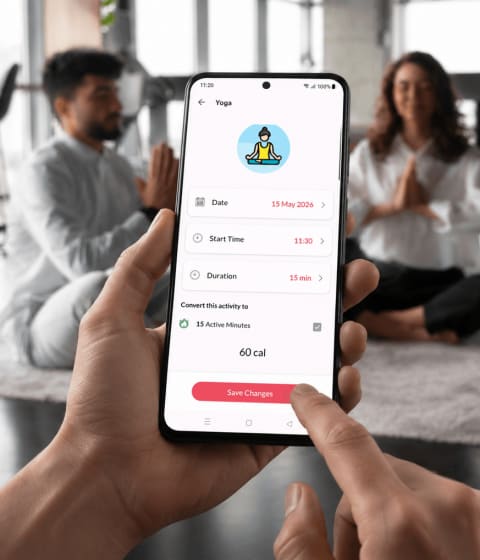
Imagine an app that isn’t just a tool but a companion in your wellness journey. That’s Vantage Fit for you - an all-encompassing corporate wellness app. It’s not just about tracking steps or logging activities; it’s about lasting habits.
Think of fun step challenges, engaging health contests, and more. These features aren’t just for kicks; they target real issues like obesity, unhealthy lifestyle habits, and chronic illnesses that are all too common among hospital staff.
But there’s more. Vantage Fit understands the strains of long shifts, irregular schedules, and high-stress environments. That’s why it brings customized campaigns to your fingertips, fighting against sedentary lifestyles and championing movement and activity. It’s like having a personal trainer in your pocket, cheering you on as you navigate your busy day.
And who doesn’t love rewards? With Vantage Fit, every step towards health is recognized. Employees are not just participating; they’re being rewarded for it. Complete weekly tasks, and voila! Gift cards and other exciting rewards await. It’s a motivation booster like no other.
For the decision-makers in hospitals, Vantage Fit is a goldmine of data. Real-time analytics on health metrics enable administrators to make informed, data-driven decisions. It’s about uplifting worker health and satisfaction cost-effectively.
In essence, Vantage Fit is more than an app. It catalyzes building a resilient, focused, and productive hospital workforce. With Vantage Fit, every hospital staff member is one step closer to a healthier, happier life.
Conclusion
Wellness programs in hospitals can provide health benefits not only to the employees but also to the patients they care for. Hospitals can improve patient care and overall efficiency by ensuring the staff is healthy and happy.
Implementing comprehensive wellness programs isn’t just beneficial; it’s essential. These programs are key to maintaining a healthy, productive workforce.
Hospitals must prioritize these initiatives to nurture the heroes who care for our health. The time for action is now. Let’s invest in the wellness of our healthcare professionals for a stronger, healthier future.
Frequently Asked Questions
What is a hospital wellness program?
A hospital wellness program is a set of benefits and activities designed for healthcare workers. It addresses the physical, mental, social, and financial strain of hospital work, with support like counseling, exercise classes, health coaching, and financial guidance.
Why do hospitals need employee wellness programs?
Hospital staff face long shifts, emotional strain, and high burnout. Wellness programs help them stay healthy, reduce stress and turnover, and control healthcare costs, which also leads to better patient care.
What should a hospital wellness program include?
Include on-site exercise, mental health counseling, Employee Assistance Programs, stress management tools, health coaching, wellness stipends, financial guidance, and workshops on nutrition, mindfulness, and sleep.
How can hospitals support the mental health of their staff?
Offer in-person and online counseling, a 24/7 support hotline, stress management training, meditation apps, and paid time off to recover. Schedules that allow real rest between shifts also make a big difference.
How do you implement a wellness program in a hospital?
Learn what each team needs, run an anonymous survey, design flexible options such as a Lifestyle Spending Account, launch with clear sign-up support, and review participation and feedback after six months.
How do wellness programs help night-shift healthcare workers?
Digital wellness tools and on-demand resources let night-shift staff join challenges, counseling, and health activities at times that suit them, instead of missing out on daytime-only events.