A workplace wellness challenge is a short, structured program in which employees work on one healthy habit for a set period, usually a few weeks, while tracking progress and competing in a friendly way. They join solo or in teams, with goals like more steps or more water.
A good program goes beyond fitness. The ideas in this guide cover physical activity, healthy eating, mental health, the seasons, team connection, and money, so HR can match each challenge to what a team needs at that moment.
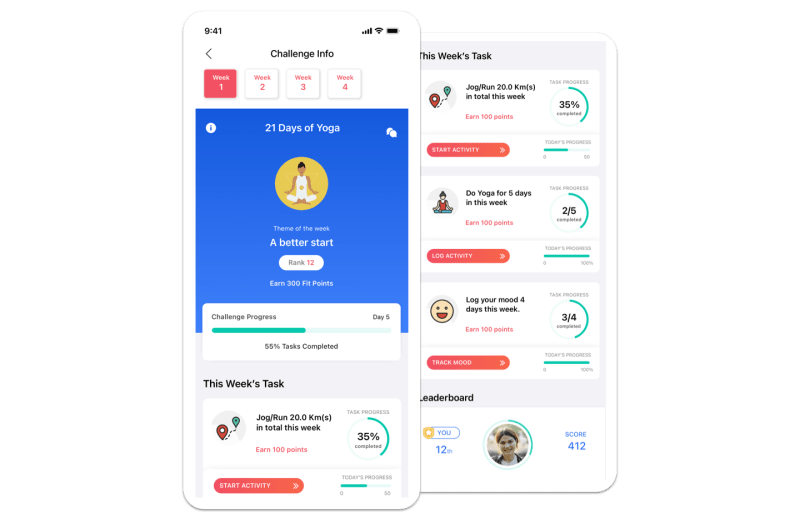
On a corporate wellness platform like Vantage Fit, employees earn points for completing activities and challenge tasks, climb a live leaderboard, and redeem those points for gift cards and vouchers. Simpler setups stick to prizes like gift cards for whoever improves most.
Either setup works if the challenge fits your team. Let’s explore what the research says about whether challenges work, then walk through 24 ideas, how to run one that lasts, and a plan for the whole year.
Key Takeaways
- Wellness challenges are best treated as a habit tool: trials link wellness programs to more self-reported exercise, while savings on medical costs and absence remain unproven.
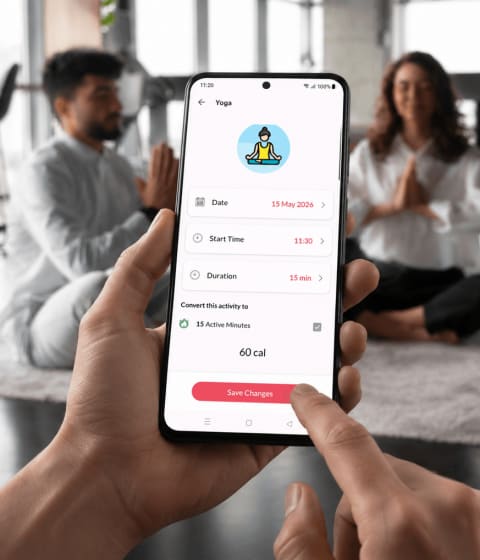
- Physical activity ideas such as step and squat challenges suit a first launch: they need no gym equipment, and an app such as Vantage Fit counts the steps and squats.
- Healthy-eating challenges can build on the Dietary Guidelines for Americans 2025-2030, which cap added sugars at 10 grams per meal and set daily goals of three servings of vegetables and two of fruit.
- Mental health challenges ask for a few minutes a day, such as a gratitude list or a short mindfulness break, so they need little setup from HR.
- Seasonal, team, and money challenges keep a program fresh all year, and the financial ones stay educational, so nobody shares personal figures.
- Challenges that last pair personal goals with friendly competition, give every fitness level a fair target, reward consistency alongside the top spot, and keep tracking simple.
- A month-by-month plan built from these 24 ideas gives HR a ready answer to "what next?" for the whole year.
Do wellness challenges work?
Wellness challenges can shift habits, though the gains are modest, and most evidence comes from the wider programs they belong to. In a 2019 JAMA trial at a US warehouse retailer, 69.8% of surveyed employees at program worksites reported regular exercise after 18 months, against 61.9% at comparison sites.
Costs are a different story. A 2010 meta-analysis estimated large savings on medical and absence costs, but the JAMA trial and the Illinois Workplace Wellness Study, both randomized, found no significant effect on medical spending or absence.
Productivity looks more promising for people who change. In a 2013 study, employees who joined a telephonic health program and improved their health or lifestyle gained about 10.3 productive hours a year, worth roughly $353 each, compared with similar employees who did not take part.
Taking part depends on the design, too. RAND found that only one-fifth to two-fifths of eligible employees join wellness program components each year. The ideas below are built to be easy to join, starting with physical activity.
Which wellness challenges work best for physical activity?
Step, squat, desk-exercise, stair, and yoga challenges suit most workplaces, because they need little or no equipment and fit around a desk job, on site or at home. Each idea below covers how long to run it and what to reward.
1. Step Challenge

The Step Challenge builds on a simple fact: the CDC lists brisk walking as moderate-intensity activity, which adults need for 150 minutes a week. Good shoes and a fitness tracker or an app like Vantage Fit are all it takes.
Participants log their steps each day and gradually raise their target, solo or in teams, for a week or a month. Thirty minutes of brisk walking a day, five days a week, meets the CDC’s weekly aerobic goal.
At Tata Motors, 1,248 active participants in the six-month Step & Stride Challenge averaged 6,246 steps a day. Offer rewards like gift cards, fitness gadgets, or a day off for the top stepper and the most consistent walker.
2. Squat Goals
Squats are one of those exercises that pack a punch: they need no equipment and work the large muscles of the hips and legs.
Encourage employees to aim for two or three sets of 8 to 12 squats on the days they take part. Three sets of 12, five days a week, adds up to more than 700 squats in four weeks.
The Physical Activity Guidelines for Americans call one set of 8 to 12 repetitions effective and 2 or 3 sets possibly more so. The CDC recommends muscle-strengthening activity on at least two days a week.
Our 30 Day Squat Challenge has a ready-made plan. For rewards, try a “Squat King/Queen” crown for the most consistent participant or a custom T-shirt for everyone who finishes.
3. Desk-ercise Derby
The Physical Activity Guidelines for Americans also advise adults to move more and sit less throughout the day, and desk exercises are a simple way to do that at work.
Run it for four weeks, with a new move each Monday by email or on the staff well-being board, such as seated leg raises or chair swivels. Participants spend 5 to 10 minutes a day on these quick desk exercises, and finishers win an ergonomic extra like a footrest.
4. Stairway to Health
Let’s take inspiration from Led Zeppelin’s classic hit and turn your office stairs into the gateway to better health: ditch the elevator and take the stairs.
To run the challenge, set a company-wide goal, such as climbing Mount Everest’s 29,032 feet in a month. For a team of 50 over 20 working days, that is about two to three floors per person a day. Our workplace fitness challenge template lays out the plan in one sheet.
Short climbs add up: in a small 2005 trial, sedentary young women who built up to five two-minute stair climbs a day, five days a week, raised their aerobic fitness by 17% in eight weeks. Reward the winners with an excellent pair of shoes!
5. Yoga for All Challenge
Yoga combines movement, breathing, and meditation. Research summarized by the National Center for Complementary and Integrative Health suggests it may relieve stress, improve sleep and balance, and ease neck pain, with a small benefit for low-back pain.
Set up a quiet office corner for yoga during breaks or after work, led by an instructor or a yoga-savvy employee, with an online service for remote staff. Run it for 30 days at 10 to 20 minutes a day, with a yoga mat or gift card as prizes.
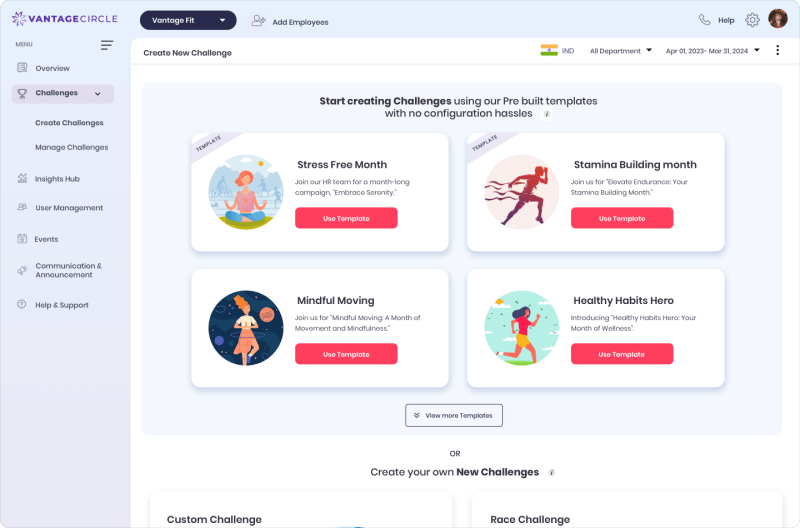
Whichever ideas you pick, running them by hand works for a small team, but at scale the logistics add up. On Vantage Fit, HR builds challenges from templates such as Stress Free Month or from scratch. Employees log activities, leaderboard points update in real time, and HR follows participation live.
IBS Software shows this in practice: more than 500 employees joined its 28-day March to Fitness challenge, which reached an 88% engagement rate across activities from squats and heart health tracking to mood monitoring. Read the full IBS Software March to Fitness case study.
Wellness challenge ideas for healthy eating
Healthy-eating challenges give employees one clear daily target, such as less added sugar, more water, or more vegetables. For a weight-focused version, see our guide to the office weight loss challenge.
Running a weight-focused challenge? Use the free Workplace Weight Loss Challenge Template, with 8-week tracking logs, three scoring models and an opt-out for weight tracking.
6. The Great Sugar Detox
Added sugar is worth cutting. A 2014 study in JAMA Internal Medicine by Quanhe Yang et al. found that participants who got 25% or more of their daily calories from added sugars were nearly three times as likely to die from cardiovascular disease as those below 10%.
The Dietary Guidelines for Americans, 2025-2030 now state that no amount of added sugars is recommended as part of a healthy diet, and that one meal should contain no more than 10 grams of them.
Invite employees on a 21-day journey away from added sugars, with weekly goals such as “cut back 10% this week.” Teach them to spot hidden sugars in sauces and processed foods, and to reach for whole fruit when a craving hits.
“If you’re going to have something sweet, have a fruit-based dessert,” says Dr. Teresa Fung, adjunct professor of nutrition at the Harvard T.H. Chan School of Public Health. “That way, at least you’re getting something good out of it.” Reward the most consistent participants with a healthy lunch.
7. Water Intake Challenge
Run this one for a month and ask each employee to set a daily water target, then log it. The familiar “eight glasses a day” is easy to remember and a reasonable starting point, but needs vary with health, age, activity level, where someone lives, and the weather.
The National Academies of Sciences, Engineering, and Medicine puts adequate daily total water intake at about 3.7 liters (125 ounces) for men and 2.7 liters (91 ounces) for women, counting fluid from all drinks and food.
Participants can track with a bottle or log it in Vantage Fit, and infuse plain water with berries, citrus, cucumber and mint, or basil when it gets dull. More in our guide to the water challenge.
8. Veggie of the Week
Vegetables are a common gap: in CDC data from 2019, only 1 in 10 US adults ate the recommended amount. The 2025-2030 Dietary Guidelines aim for three vegetable servings a day on a 2,000-calorie diet.
For four weeks, feature one vegetable each week with a simple recipe, ask the cafeteria to spotlight it, and have employees log the days they reach three servings. Close with a team potluck where everyone brings a dish built around one of the month’s vegetables.
9. Portion-Control Challenge
This challenge helps employees rethink how much they need on their plates, with favorite foods still on the menu. Start by measuring recommended serving sizes for a few meals to see what a balanced plate looks like. The goal is simple: Eat less, but eat smart.
A simple trick? Use smaller plates and bowls. A 2015 Cochrane review found that people consistently eat and drink more when offered larger portions, packages, or tableware. Slower eating helps too: a 2014 review of 22 studies found lower energy intake at a slower eating rate.
10. Meal-Prep Challenge
Help your employees take control of their nutrition with a four-week meal-prep challenge. Each Sunday, share a plan for the week ahead with a shopping list and prep steps:
- Week 1: Start simple with mason jar salads.
- Week 2: Try grain bowls with roasted veggies and protein.
- Week 3: Experiment with homemade soups or stews.
- Week 4: Create bento-style boxes with a variety of small portions.
Participants share their wins in a Slack channel, and a “Meal Prep Masterpiece” contest at the end of the month rewards the most organized, creative, and nutritious prep.
What are some wellness challenge ideas for mental health?
Good mental health challenge ideas include a 30-day gratitude journal, an evening screen break, daily acts of kindness, and short mindfulness breaks. Each fits into a few quiet minutes of the workday, and most need only a reminder and a place to share progress.
11. Gratitude Journaling
In this 30-day challenge, employees jot down three things they’re grateful for each day, big or small. Apps like Grateful and the Five Minute Journal offer daily prompts to get started.
Counting blessings has research behind it. In a 2003 study, people who kept regular gratitude lists showed higher well-being on several measures than comparison groups, with the clearest effect on positive mood.
12. No-Screens-After-8pm Challenge
This 7-day challenge encourages employees to put screens away in the evening. They can rediscover offline hobbies, have face-to-face conversations, and give their eyes (and minds) a much-needed break. A short daily check-in, where people share what they did instead, keeps the week social.
13. Random Acts of Kindness
For one month, invite employees to do one act of kindness each day, such as holding a door or sending an encouraging message to a colleague. A communal board where people share their acts anonymously keeps the kindness visible.
Research suggests acts of kindness can boost oxytocin, a hormone that plays a role in social bonds and trust. According to a Cedars-Sinai article titled “The Science of Kindness”, oxytocin is also tied to lowering blood pressure.
14. Mindful Moments Challenge
For 21 days, invite employees to take three short “mindfulness exercise breaks” a day. One to three minutes is enough to breathe deeply, check in with their feelings, or notice the little things around them. A gentle chime or app notification can remind them to pause.
Seasonal wellness challenges
One idea per season keeps the program fresh through the year. For more, see our spring, summer, fall, and winter challenge guides.
15. Bloom Where You’re Planted
Host a 30-day spring challenge where HR shares one small healthy habit each workday, such as herbal tea in place of a second coffee or five minutes of meditation. A “Bloom Together” board lets participants post encouraging words and celebrate small wins.
16. The Sunrise Serenity Challenge
For 30 days in summer, invite employees to begin the workday with 15 calm minutes in the morning light, on an office terrace, by a sunny window, or on a balcony at home before logging on.
They spend the first half on gentle stretches and the rest on setting one intention for the day. A shared morning thread, where people post their intention, gives the team a reason to check in.
17. The Autumn Twilight Movement Quest
As fall days get shorter, help employees make the most of the changing light. Run a different session each week, at lunchtime or straight after work:
- Week 1: Gentle yoga in a softly lit meeting room
- Week 2: Nature photography walks while the light lasts
- Week 3: A cozy dance break to an autumn-themed playlist
- Week 4: Gentle stretching outdoors at dusk
Participants end each session by writing one line about how they feel, on a shared card or in the team channel.
18. The Winter Wellness Bingo

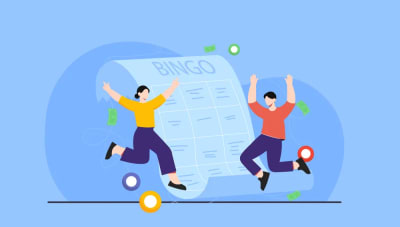
Turn wellness into a fun game with Winter Wellness Bingo. Fill a card with short activities, such as trying a new holiday recipe, a 20-minute walk in the fresh air, a tech-free evening, or 5 minutes of deep breathing.
Employees check off squares through the winter, and anyone who completes a row, column, or the whole card wins a small reward. For more ideas to fill the squares, see our list of fun activities.
Download the free Wellness Bingo Template and launch in minutes. 7 unique cards packed with 25 activities each.
Team building and social challenges
Social challenges use the activity as an excuse for people to talk, which makes them a good fit for distributed teams. Distance is manageable: Wipro ran its 2025 challenges across more than 30 countries, with 111 participants in the Philippines, 82 in the UK, and 60 in Canada.
"Colleagues also developed friendships because of the camaraderie of the Vantage Fit teams."
– ISKL
19. The Connection Cartographer
Map the hidden talents in your team with a “skills constellation.” Each person shares one unexpected talent or hobby and connects with others who share it. By month’s end, they run mini-workshops to teach their skills, so the baker might pair with the storyteller for a “tales and treats” afternoon.
20. Steps for a Cause
Turn the team’s combined effort into a donation over one month. Agree on a ratio with a partner charity, such as 20,000 steps for one tree planted, and let every step count toward the total.
Vantage Fit can show steps as trees planted or meals funded on the leaderboard, while the company handles the donation itself. A volunteering day together, at a food bank or a park clean-up, makes a good finale.
Financial wellness challenges
Financial challenges are the most delicate kind, because money is private. Keep them educational rather than prescriptive, and never ask anyone to disclose figures. The stakes are real: a 2014 Consumer Financial Protection Bureau report notes that financial distress reduces worker productivity, increases absenteeism, and undermines employees’ health.
21. Emergency Fund Kickstart
Many adults have little cushion for surprises. In the Federal Reserve’s 2026 report on household finances, 63% of adults said they would cover a $400 emergency expense with cash, savings, or a credit card paid off at the next statement, and 12% could not pay it by any means.
Over one month, employees set a private savings goal and automate a small transfer each payday, with a lunchtime session on building an emergency fund. Participants report only whether they hit their own goal.
Beware of little expenses. A small leak will sink a great ship.
– Benjamin Franklin
22. The Prosperity Circle
Set up voluntary peer groups where employees support each other’s money goals. A financial educator, or your EAP if it offers financial counseling, leads the first session and sets one ground rule: share goals, never amounts. Members celebrate money wins and keep each other on track with monthly “prosperity check-ins.”
Read more on: Corporate Wellness Programs: 4 Case Studies + 19 Ideas for HR Leaders
Bonus wellness challenge ideas
23. The Sustainable Swap Challenge
This 21-day challenge turns environmental wellness into a game of sustainable living, with one focus each week:
- Week 1: “Office Warrior” – Replace disposable items with reusable water bottles, coffee cups, and utensils
- Week 2: “Energy Guardian” – Learn power-saving habits at workstations
- Week 3: “Zero-Waste Hero” – Try package-free lunches and start composting
A shared tally of plastic saved and a closing “Sustainability Show & Tell” let participants share their most successful swaps.
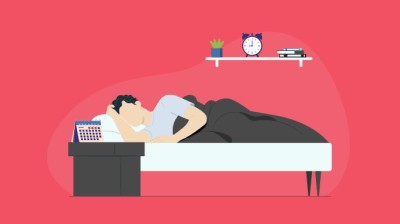
24. The Sleep Well Challenge
Good sleep supports every other idea on this list. The CDC says adults aged 18 to 60 need 7 or more hours a night, and one of its first tips is a steady routine: going to bed and getting up at the same time every day.
Run this challenge for 21 days, adding one habit from the CDC’s list each week:
- Week 1: “Same Time, Every Day” – Keep a consistent bedtime and wake-up time, weekends included
- Week 2: “Afternoon Cutoff” – Switch to decaf or herbal tea after lunch
- Week 3: “Cool, Calm Room” – Keep the bedroom quiet, relaxing, and cool, and keep large meals and alcohol away from bedtime
Employees can log their sleep in an app like Vantage Fit and follow their own patterns week by week. Reward the most consistent routines rather than the longest nights, since steady timing is the goal.
How to run a wellness challenge that sticks
To help a wellness challenge stick, make it easy for everyone to take part, easy to log progress, and fair to people at every fitness level. Six choices shape that, from the goals you set to the way you announce the challenge.
- Set personal goals, then add friendly competition. In the 2019 STEP UP trial, 602 adults with overweight or obesity earned points for hitting their own step goals. All three game designs raised steps over 24 weeks, and competition worked best, adding about 920 steps a day over controls.
- Offer tiers for every fitness level. Give people more than one way to win, such as walking, low-impact, and mental wellness tiers, so a new walker and a keen runner both have a fair goal. Our guide to inclusive employee wellness challenges covers this in more depth.
- Reward streaks as well as rank. In a 2009 study, habits took 18 to 254 days to become nearly automatic, and missing a single day did not materially affect the process. Streak and target rewards give everyone a chance to win, while a rank-only prize rewards only the leaders.
- Keep tracking simple. Track one or two numbers that matter and let devices do the logging. Vantage Fit reads steps from Apple Health on iPhone and Google Fit on Android, so a wearable is optional, and people who use Fitbit or Garmin can connect those instead.
- Keep it short. Most ideas in this post run from one week to a month, and short can still draw a crowd: Brazosport ISD’s two-week Fit Wars campaign reached 86% engagement across 132 active participants.
- Announce it well. Share the goal, dates, and rewards a week ahead, post weekly progress, and ask a few managers to join in visibly. For a full setup checklist, see how to create a wellness challenge.
Plan a year of wellness challenges
Tempted to run them all? A year-long rhythm gives habits the repetition they need, where a one-off push ends after a few weeks. The plan below spreads 12 ideas from this list across the year, one challenge a month, matched to the season.
| Month | Challenge | Length | Why it fits then |
|---|---|---|---|
| January | The Great Sugar Detox | 21 days | A fresh start after holiday treats |
| February | Random Acts of Kindness | 1 month | Kindness suits the month of Valentine's Day |
| March | Bloom Where You're Planted | 30 days | A new season, one new habit a day |
| April | Step Challenge | 1 week to 1 month | Milder weather brings walks back outdoors |
| May | Mindful Moments | 21 days | A calm reset before the summer rush |
| June | Sunrise Serenity | 30 days | Early light makes a morning ritual easy |
| July | Water Intake Challenge | 1 month | Hot weather raises how much people need to drink |
| August | Steps for a Cause | 1 month | Long days suit a team goal and an outdoor volunteering finale |
| September | Sleep Well Challenge | 21 days | A good time to reset routines after the summer |
| October | Autumn Twilight Movement Quest | 4 weeks | Shorter days call for movement while the light lasts |
| November | Gratitude Journaling | 30 days | Fits the Thanksgiving season in the US |
| December | Winter Wellness Bingo | Through winter | A playful game for the holidays and colder months |
The months follow Northern Hemisphere seasons, so teams in the south can shift the seasonal ideas by six months. For a weekly challenge instead, pick a one-week idea such as No-Screens-After-8pm or a week of Desk-ercise moves, and swap in a new one each week.
Keeping that rhythm going is the hard part. Planning wellness activities month after month can feel overwhelming, and “what should we do next?” comes around quickly. A year-long calendar answers it in advance.
The free 2026 Employee Wellness Calendar comes with pre-built activity templates for every month, so the guesswork goes out of planning while fun, purpose, and variety stay in.
Are you ready to rewire your workplace for health? Download the free calendar and start turning small steps into big changes!
Frequently Asked Questions
How long should a wellness challenge last?
Most ideas here last between a week and a month. A week suits a single habit, such as the No-Screens-After-8pm Challenge, and three to four weeks gives time to practice a routine. Habits often take longer than one challenge, so run a series, as in the yearly plan.
What are some ideas for a 30-day wellness challenge?
A good 30-day challenge asks for one small, repeatable daily action, such as 10 to 20 minutes of yoga, a personal water target, three things you are grateful for, or one new healthy habit each workday.
What are good prizes for a wellness challenge?
Good prizes include gift cards, fitness gadgets, a healthy lunch, or a day off, plus public recognition. Reward personal targets and streaks as well as first place, so everyone has a chance. On Vantage Fit, challenge points go toward gift cards. See our step challenge prize ideas for more.
What is the best season for a wellness challenge?
Every season works when the idea suits it. Spring and summer favor outdoor ideas such as the Step Challenge and Sunrise Serenity. Fall and winter favor indoor and social ideas such as the Autumn Twilight Movement Quest and Winter Wellness Bingo.
What are some fall wellness challenge ideas?
This guide's fall idea is the Autumn Twilight Movement Quest, a weekly movement session as the days get shorter. For more, such as a Spooky Step Challenge, Autumnal Acts of Kindness, or a Fall Savings Challenge, see our fall wellness challenge ideas.
Can we create customized and personalized wellness challenges?
Yes. On Vantage Fit, HR can build a challenge from scratch, with its own activities, weekly themes, and teams, or start from a template such as Mindful Moving or Healthy Habits Hero and adjust it.
Schedule a demo to see it in action.
How do I track wellness challenges in a global company?
Track two things: how many people take part and how they progress. An app that reads steps from employees’ phones lets people join from any office or from home. On Vantage Fit, HR sees live participation figures and can filter results by department.
Final words
Some of these challenges will land immediately, others will take a couple of attempts, and a few will not suit your team at all. That is normal. Change happens gradually, one small victory at a time, so keep adjusting as you go.
As Jim Rohn put it, “Take care of your body. It’s the only place you have to live.” Pick the one challenge your team would actually turn up for, and start there.