Wellness perks are benefits that help employees look after their physical, mental and financial health. Common examples include flexible working hours, strong healthcare plans, retirement support, mental health benefits, parental leave and women’s health coverage.
These perks matter because health shapes attendance. In the UK, mental health issues were the main reason staff took time off in 2021, accounting for 19% of all lost working time.
No wonder more and more organizations are taking responsibility for their employees’ health and embracing several innovative approaches to uphold a culture of health.
The right mix depends on your people, so it helps to know what each perk offers. Here’s a closer look at six wellness perks employees care about, and practical ways to offer each one.
Key Takeaways
- Schedule flexibility is one of the most wanted wellness perks: 95% of knowledge workers in a Future Forum survey wanted it.
- Healthcare plans go further when they add family coverage, reimbursements and paid self-care days to basic insurance.
- Retirement support shapes hiring, since 93% of employees treat it as a priority when choosing where to work.
- Mental health benefits pair counseling coverage or an EAP with everyday tools, such as points-based rewards for completing challenges.
- Parental leave has a legal floor in the US, 12 unpaid weeks under FMLA, and employers like Google build paid leave on top.
- Women’s health benefits cover real gaps, from maternal health to chronic conditions and flexible work for anxiety or depression.
What Wellness Perks Do Employees Value Most?
Employees value perks that protect their health and their finances. In EBRI’s 2025 Workplace Wellness Survey, health insurance was the benefit workers most often named as a reason to stay in a job (72%), followed by a retirement savings plan (62%). Flexibility matters too, so the list starts there.
1. Flexible Working Hours
A Future Forum survey of more than 10,000 knowledge workers found that 95% want schedule flexibility, which makes flexible working hours one of the most wanted employee perks.
Smart employers understand that flexibility at workplace not just benefits employees but also gives the organization an edge when recruiting the best talent in the industry.
Flexible work hours allow employees to balance their professional and personal lives, thereby reducing the stress and burnout at work.
Thus, making workplace flexibility a priority can improve employee wellbeing. Several organizations are proposing a four-day work week or allowing employees to clock in at work as per their convenience.
Here are a few tips to help HR leaders keep everything on track besides flexible schedules.
-
Train Mid-Level Managers: Encourage managers to embrace employee autonomy and avoid micromanaging. This will instill trust between employees and managers.
-
Set Clear Goals: Discuss the daily tasks of each team member. Involve managers in the process of goal setting and encourage them to work on realistic goals.
-
Promote a Culture of Measuring Success: Give managers tools that can help track employee progress with no hassles. For instance, ask the managers what tools they use to measure employee progress. Understand whether their tech stack is efficient enough to measure the KPIs and goals.
If not, request the management to deploy advanced project management tools, such as Trello and Zoho. These cloud-based project management tools can help managers assign tasks, collaborate with the team, and track success metrics and KPIs while removing the sweat from the process.
- Help Employees Perform Better: Join employee review sessions with the manager. This will help you understand each employee’s performance and the challenges they face when managing work and personal life.
2. Healthcare Plans
Ignoring employee wellness and healthcare can become a pressing issue. Besides hampering their personal life, deteriorated employee health can impact your organization. For instance, it can lead to chronic absenteeism, missed targets, and poor productivity.
In 2019, 39% of US adults had back pain in the past three months, according to the CDC. Work strain plays a part too: in Great Britain, 964,000 workers suffered from work-related stress, depression or anxiety in 2024/25.
Considering these risks, providing a basic healthcare plan may not suffice.
No wonder firms like Fisher Investments, Posit, Kindred, NWEA and USLI pay 100% of employee health insurance premiums, according to Monster.
Get inspired by these companies and offer beneficial healthcare policies.
Here are a few healthcare plans to consider.
-
Healthcare Cost Reimbursements: This coverage reimburses employee medical expenses up to a set amount. Some plans let unused funds roll over to the next year.
-
Private Health Insurance: This key employee health benefit package is offered by various firms. It reduces the waiting time to access medical facilities.
-
Family Health Insurance Plan: This can be a valuable tool to attract and retain the best talent. The reason? Employees won’t need to worry about their family’s health.
-
Paid Self-Care Days: The pandemic pushed mental health issues and work-related stress into the spotlight. So, allowing employees to take time off for mental health can make a real difference. Besides, you can permit a 15-minute power nap every day. This can boost their productivity while reducing work-related stress.
Help your team make healthy lifestyle choices with Vantage Fit.
Vantage Fit helps HR professionals:
-
Create and host employee wellness programs.
-
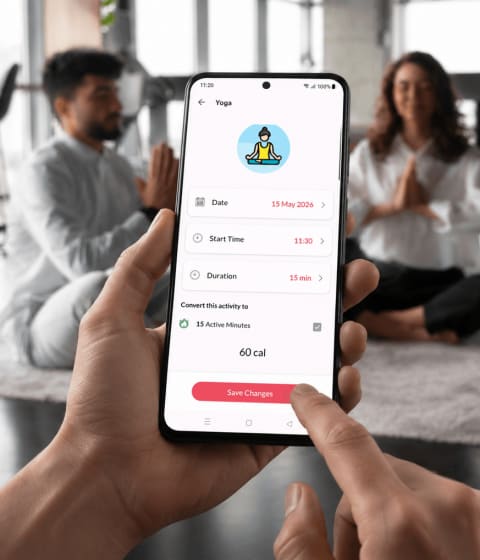
Give employees wellness rewards, with points credited to their wallet as they complete challenge tasks.
-
Track employee activities by syncing wearables such as Apple Watch, Fitbit and Garmin.
-
Manage and customize workplace wellness campaigns with an admin dashboard.
So, implement this app to help your employees stay healthy and productive.
3. Retirement Plan or Pension
At several firms, retirement plans are a central part of workplace wellness programs because they address an employee’s financial needs. These plans help employees better manage their immediate needs, thereby improving their wellness and overall quality of life.
Morgan Stanley’s 2022 study found that 93% of employees view retirement planning assistance as a priority when choosing where to work.
Given economic uncertainty and inflation, this stat is not at all surprising.
Working professionals are more conscious about finance management than ever.
Here’s how you can help -
Offer a 401(k) retirement plan to secure your team’s future. Employees save part of their salary into the plan, and employers can choose to add matching contributions. Matching formulas vary from plan to plan.
The money is meant for retirement. Withdrawals are generally limited until age 59½, leaving the job or a financial hardship, and early withdrawals may face an additional 10% tax.
4. Mental Health Benefits
Stress, depression and anxiety are common at work. In Great Britain, they accounted for 52% of all work-related ill health in 2024/25, according to the Health and Safety Executive. In the US, Gallup found that 55% of Americans experienced stress during a lot of the previous day in 2018.
Given this, offering a corporate mental health wellness program can help the workforce thrive, boosting productivity and employee engagement. Many firms are adding mental health benefits to their corporate wellness package to help their employees relieve stress, burnout, and other mental health issues.
Mental health benefits usually include a health insurance plan that covers counseling or therapy. It could also be an Employee Assistance Program (EAP) that aims at solving employee issues related to finances, stress, or other non-work conflicts.
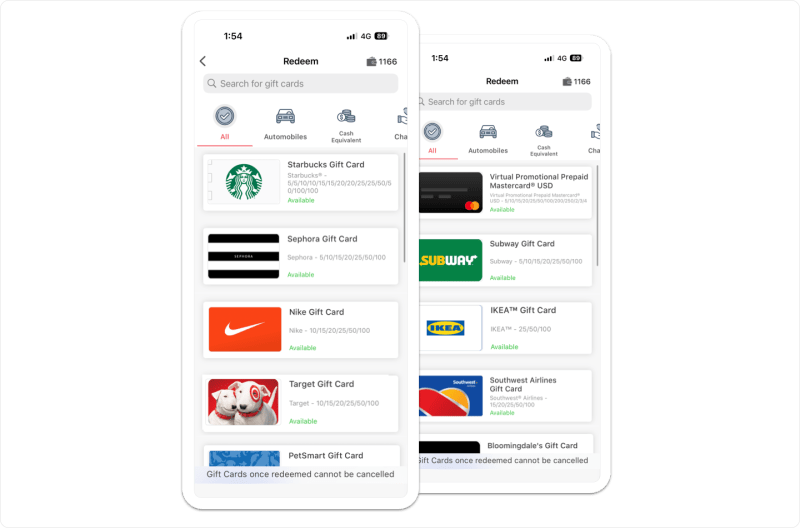
Vantage Fit adds a rewards layer on top of these offerings. Employees earn Vantage Points for completing challenge tasks, milestones and challenges, and admins can award points directly. Points land in the wallet straight away and can be redeemed from a gift card catalog organized by category.
5. Parental Leaves (Family Wellbeing)
Parental leave allows working professionals to take off on several child-related events. For instance, they can take leaves following childbirth, an adoption event, or when the child needs parental care.
Under the Family and Medical Leave Act (FMLA), covered US employers must give eligible employees up to 12 weeks of unpaid, job-protected leave for the birth or adoption of a child. Many employers go further and offer paid leave.
According to a Conference Board survey, 86% of organizations had formal policies such as paid time off, parental leave and flexibility to support well-being in 2022, up from 65% in April 2021. Respondents rated these policies the most helpful well-being programs (43%).
What’s more? Google expanded its leave in January 2022: birthing parents now get 24 weeks of paid leave, and non-birthing parents get 18 weeks.
As of 2019, Microsoft offered 12 weeks of paid parental leave to dads, adoptive parents and foster parents. The firm also offered up to $10,000 per child in adoption assistance.
So, include parental leave policy in employee benefits. This can help retain employees, thus ensuring your firm’s long-term success.
6. Women’s Health
As Harvard Business Review notes, employers can play an instrumental role in tackling the women’s health crisis in the US. Women’s working lives have been under strain too: between February 2020 and January 2022, 1.1 million women left the labor force, partly because women still carry most caregiving responsibilities.
To attract and retain female employees, several firms are introducing policies that support women’s health needs. For instance, there are health plans for maternal health and conditions like diabetes, heart disease, multiple sclerosis, and pregnancy-induced conditions like hypertension.
Furthermore, companies are also helping women manage their behavioral health issues, including anxiety and depression, by building a flexible working environment.
Whatever perks you choose, they need to be easy to use. At Marinus Pharmaceuticals, Beth Kalbach summed up the Vantage Fit rollout:
"The app worked out great, it was straightforward and easy to use."
— Beth Kalbach, Marinus Pharmaceuticals
Conclusion
The wellness perks and benefits a company offers reflect its values and culture. If you want to go the extra mile and promote health, happiness, and productivity, it’s time you introduce these wellness perks. This will help you build an engaging and wellness-centric environment in your workplace.
Frequently Asked Questions
What are examples of wellness benefits for employees?
Common examples include gym memberships, nutrition services, fitness classes and home office equipment, which employers can fund through a lifestyle spending account. Flexible hours, mental health support and wellness challenges with rewards are other examples.
What is a wellbeing allowance?
A wellbeing allowance, or wellness stipend, is a set amount an employer gives each employee to spend on their own health, such as a gym membership or fitness classes. Our wellness stipend guide explains how to set one up.
Are wellness perks taxable?
Often, yes. The IRS says any fringe benefit is taxable unless the law specifically excludes it, and cash or gift cards never qualify as minor, tax-free benefits.
What are the best wellness program incentives?
Rewards employees can see and use, such as points, gift cards or access to a better health plan, tend to lift participation. RAND found a median participation rate of 40% in programs with rewards, against about 20% without.
How much should a company spend on wellness perks?
It varies by company. For lifestyle spending accounts, SHRM reports that employers contribute about $850 per employee a year on average, though figures vary.