Employee mental health benefits are employer-paid services that help staff manage stress, anxiety, and burnout. Common ones include therapy coverage, an employee assistance program (EAP), mental health days, flexible work, manager training, and wellbeing apps such as Vantage Fit, where employees play guided meditations and keep a private mood log.
The need is wide: about 1 in 5 US adults lives with a mental illness, and only about half get treatment. The World Economic Forum and Harvard School of Public Health project that mental ill health will cost the world $6 trillion by 2030.
The right mix of benefits helps employees get care early and keeps them in their jobs. Let’s dig into the 10 benefits that make the biggest difference, and how to choose the right ones for your team.
Key Takeaways
- Employee mental health benefits are now a standard expectation: 92% of US workers say it matters that their employer supports mental health.
- Coverage only helps if employees can use it, so low co-pays, no visit caps, and therapists who take new patients matter more than the plan's headline.
- Low-cost benefits reach every employee: paid mental health days, flexible hours, and manager training add support without a large budget.
- Mental health benefits help retention, because half of US workers have left a job at least partly for mental health reasons.
- The best mental health providers offer short wait times, proven treatments, and culturally responsive care, and they track progress through clinical assessments as well as satisfaction surveys.
Why Is Offering Mental Health Benefits Crucial For The Workplace?

Mental health benefits matter because most employees now expect them, and untreated mental health problems show up at work as absences, turnover, and lost productivity. In the APA’s 2023 Work in America survey, 92% of workers said it is important to work for an organization that supports employee mental health.
Mental health benefits work as a strategic investment. They can:
-
Boost Productivity: A well-supported workforce experiences less stress and burnout, leading to higher output.
-
Increase ROI: Reduced absenteeism, lower healthcare costs, and improved employee retention translate to significant cost savings and financial gains.
-
Attract Top Talent: In today’s competitive market, offering mental health benefits is a significant draw for skilled professionals who prioritize well-being.
In Mind Share Partners' 2021 report, 84% of employees said at least one workplace factor had harmed their mental health.
10 Mental Health Benefits Companies Are Offering Their Employees
The 10 benefits below run from core coverage, such as therapy and EAPs, to everyday supports like flexible hours, time off, and recognition. Most employers combine several, because coverage pays for treatment while flexible work and time off ease the stress that wears down employee well-being in the first place.
1. Comprehensive Mental Health Coverage

While mental health benefits are becoming more common, access to affordable care remains a major hurdle. In a 2022 National Council for Mental Wellbeing survey, 43% of US adults who needed mental health or substance use care in the past year did not get it, and 37% said cost stopped them.
How can you ensure your employees can use your mental health benefits?
Here are a few things you should keep in mind when choosing mental health coverage:
-
Cost Matters: Analyze in-network co-pays for therapy compared to your company’s median salary. Are they within reach of your employees?
-
Coverage Limits: Watch out for caps on therapy visits or total coverage amounts for mental health care. Low caps can leave employees with significant out-of-pocket costs.
-
Verify therapist network: Request an updated list of in-network mental health professionals and verify if they’re still practicing and accepting new patients.
By scrutinizing these factors, you can make your mental health benefits a valuable and accessible resource for your employees.
2. Create Employee Assistance Programs (EAPs) with Awareness.

EAPs are designed to support the mental health of employees and to encourage them to deal with problems at work. Many companies offer Employee Assistance Programs (EAPs), but their true potential often goes untapped. They offer a wide range of confidential support services.
An EAP also needs awareness: employees reach out for help when they know the service is free and confidential. Mention it in team meetings and benefit emails so it stays front of mind.
Several of the services provided by EAPs are related to mental health and well-being. Depending on the EAP you choose, your employees may gain access to:
-
Assistance with depression and anxiety treatment
-
Financial counseling and support
-
Help with childcare or elder care arrangements
-
Stress management support
-
Trauma therapy
-
Access to mental health professionals
Suggested Read: The Connection Between Employee Wellness and Stress Management
3. Well-being Apps for Mental Health
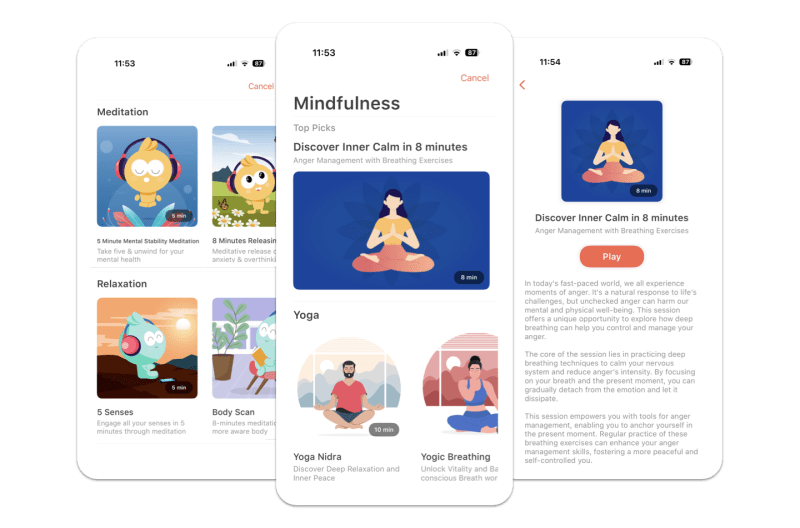
A well-being app is a mobile application that supports mental or emotional health. Many organizations have opted for mobile applications to increase service and provide better mental health access to their benefit programs.
At IBS Software’s 28-day wellness challenge, 130 employees used the platform to monitor their daily mood, while 95 took part in mental wellness activities. The IBS Software case study shows what consistent mental wellness tracking looks like at scale.
Here are some of the reasons why Mobile Apps are a Win-Win:
-
Employees can access help discreetly and conveniently, reducing the stigma around mental health issues.
-
Apps offer on-demand support, allowing employees to address concerns in real-time.
-
During stressful situations, apps can provide immediate coping mechanisms and resources.
-
The growing comfort with mobile technology makes apps a popular and accessible solution for employees.
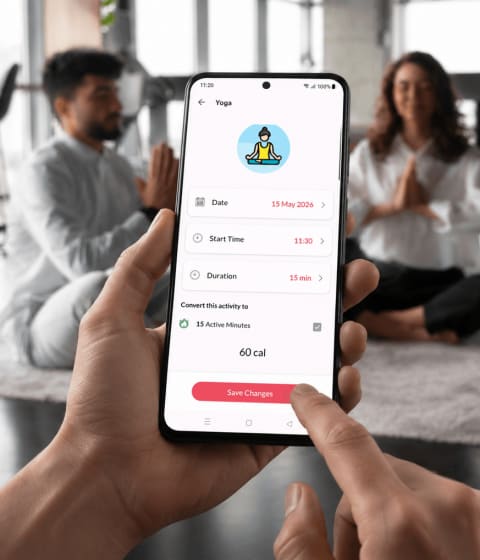
Vantage Fit’s mindfulness library puts this support on every employee’s phone, with guided audio sessions of about 5 to 35 minutes that also work offline:
-
Meditation sessions: Guided practices to manage stress and improve focus.
-
Yoga sessions: Guided audio yoga sessions that ease tension and build mindfulness.
-
Sleep sessions: Audio sessions that help employees wind down and rest after work.
-
Private mood log: Employees rate their mood on a 5-point scale and tag what affects it, such as work, family, or exercise. HR never sees individual entries.
-
Challenge credit: Each finished session counts as a mindfulness activity in wellness challenges.
4. Flexible Work Arrangements

Providing employees autonomy over how, when, and where they complete their work can promote mental health. If employees are given even a small amount of control over their working hours, they can significantly reduce stress and achieve a better work-life balance.
Here are some innovative ways to offer flexibility and support your employees:
-
Work From Anywhere: Remote work allows employees to work from home, in a co-working space, or even on the beach.
-
Own Your Schedule: Flextime allows employees to choose their work hours, fostering a better work-life balance.
-
Four-Day Workweek: Compress the workweek! Let employees work 4 longer days in exchange for a 3-day weekend, boosting productivity and reducing burnout.
-
Work quality over long hours: Focus on results, not hours! With project-based work, employees can manage their time and work as much as needed to complete assigned projects.
-
Split Shift: Split shifts allow employees to break up their workday with a break in between, offering more flexibility for personal needs.
Choose whatever option works best for your team. A flexible schedule helps employees manage their obligations, pursue hobbies, and devote time to self-care, ultimately contributing to better well-being.
Suggested Read: 47 Unique Stress Management Activities for Employees
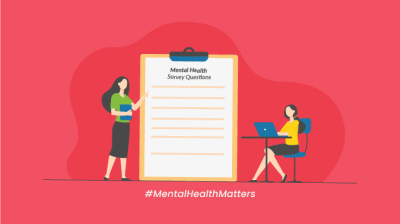
Not sure which benefits your team needs? Use the free Employee Mental Health Survey Template, with 30 questions across five dimensions and a built-in scoring guide, to ask employees before you choose.
5. Generous Paid Time Off (PTO)

Access to mental health services can be limited, especially outside work hours. Simple time-off policies help:
-
Paid time off specifically for mental health appointments
-
A culture where using PTO is encouraged
-
Mental health days treated as normal
-
Generous vacation packages
Vacations give employees a full break from work, which supports both physical and mental health when they return. Ample PTO also helps to reduce stress and burnout, further enhances focus and productivity upon returning to work, and fosters a culture of self-care within the organization.
By removing these barriers and offering ample time off, you’re demonstrating a commitment to employee well-being, ultimately creating a happier, healthier, and more productive workforce.
Suggested Read: Mental Health Day Off from Work: When & How to Do It Right
6. Promote Mental Well-being Through Mindfulness and On-Site Wellness Activities.

Your workplace can be a powerful resource for employees’ mental health. Here are two simple yet impactful ways to integrate well-being into your company culture:
1. Yoga for Stress Relief
The Mayo Clinic reports that yoga can ease symptoms of stress and anxiety while offering additional health benefits like lower blood pressure and reduced pain.
To make it convenient for employees, consider offering free yoga classes before, during, or after work hours. You can hire an instructor on-site or subsidize classes at local studios or online yoga subscriptions.
2. Dedicated Meditation Space
Create a tranquil space for employees to de-stress and recharge. Designate a quiet room with soft lighting and comfortable seating options like plush sofas or floor cushions. Ambient sounds, calming music, or noise-canceling headphones can enhance the experience, allowing employees to unwind and practice mindfulness techniques.
Incorporating these activities provides valuable tools for employees to manage stress, improve focus, and enhance their overall mental well-being.
Get moving! Even a short walk around the office or a quick burst of stretches can boost your mood and energy levels.
7. Employee Recognition Programs

Feeling appreciated at work is a major mood booster! Whether traditional or cloud-based, employee recognition programs can significantly improve mental health. By recognizing employee achievements and contributions, recognition programs make employees feel valued and appreciated.
This validation can be a powerful tool against feelings of isolation and inadequacy, which can contribute to poor mental health.
Furthermore, investing in cloud-based programs makes it even easier to offer frequent recognition, creating a positive and supportive work environment that combats negativity and promotes mental well-being.
Remember, recognition comes with rewards both for employees and the organization. It helps to validate employees, boosts confidence, and fosters engagement.
8. 24/7 Helpline Services or Telehealth Counseling

You can help reduce stress and other mental health-related issues by offering mental health resources and services. Here’s how:
-
24/7 Helpline: Provide a confidential helpline or counseling number, ensuring support is always a phone call away.
-
Telehealth Therapy: Partner with telehealth providers or local therapists to offer convenient and confidential therapy sessions, even allowing employees to use work time for weekly appointments if needed.
By making access to mental health professionals easy and discreet, you’re demonstrating a commitment to your employees’ well-being and creating a supportive work environment where they can thrive.
9. Stress Management Seminars And Courses

Building a culture of mental well-being starts from the top. Equipping your leadership team is crucial. An educated management team may better spot warning signs of anxiety, stress, and mental health problems in the workplace. Here are two approaches you can take:
-
Management Training: Train supervisors and managers to recognize signs of stress, anxiety, and potential mental health concerns in their teams. It prepares them to have open conversations about mental health, fostering a supportive and understanding environment.
-
Employee Well-being Programs: You can offer stress management seminars, courses, or classes on mindfulness and meditation to all employees. This will help equip them with practical tools and techniques to manage stress and improve their overall well-being.
"Corporations can run individualized coaching, group Zoom meditations, yoga classes, ... walking lunch groups, nutrient-rich options in cafeterias"
Dr. Eva Selhub, Resilience Expert and former Medical Director, Benson-Henry Institute for Mind-Body Medicine (Harvard) | Listen to the full episode
Suggested Read: Creating an Effective Corporate Wellness Program
10. Virtual Mental Health Therapy

Virtual mental health care lets employees reach support from home or the office. It eliminates commute times and disruptions to your daily routine, making mental health care significantly more accessible.
Research shows virtual therapy is highly effective in treating common concerns like anxiety, depression, and stress. Patients and therapists alike report high satisfaction rates due to the convenience, cost-effectiveness, and equitable access it provides.
Various virtual solutions are available, including video calls, phone consultations, live chats, and asynchronous messaging. The goal is to ensure everyone feels comfortable accessing support, regardless of their communication style.
Where you can, cover virtual sessions in full for employees and their families. Removing the cost encourages employees to prioritize their well-being.
With virtual mental health benefits, you give your employees an easy, effective, and accessible way to deal with mental health concerns, leading to happier, healthier, and more productive employees.
In a 2020 survey of 244 psychiatry patients in Michigan, 54% said they were likely to keep using virtual care after in-person visits returned.
How do mental health benefits help employee retention?
Mental health benefits help retention because employees leave jobs that harm their mental health and stay where they feel supported. In Mind Share Partners’ 2021 report, 50% of US workers said they had left a job at least partly for mental health reasons, rising to 81% for Gen Z.
In the APA's 2022 Work and Well-being Survey, 81% of workers said they will look for workplaces that support mental health when they choose future jobs.
Retention gains depend on use. Train managers to mention benefits in one-on-ones, and share how many people use them in all-hands meetings, so support stays visible.
What To Look For Before Choosing A Mental Health Benefit?

Good mental health benefits deliver care employees can reach and trust. Programs fall short when treatments are unproven, providers are ill-equipped, or care ignores employees’ cultures, which frustrates employees and can discourage them from seeking help.
So, how do you navigate the crowded market of employee mental health benefits? Here are 8 essential qualities to ensure your program provides the practical, high-quality care your employees deserve.
-
Easy Access: Short wait times, 24/7 support, and finding providers who accept new patients are crucial.
-
Right Care: Offer services to address diverse needs, from mild stress to complex conditions. Include support for families as well.
-
Personalized Care: Treatments should be tailored to individual needs and progress.
-
Effective Treatments: Look for evidence-based treatments with proven results.
-
Measurable Improvement: Track progress with clinical assessments alongside satisfaction surveys.
-
Diverse Network: Provide a network of culturally responsive providers with diverse backgrounds.
-
Monitored Network: Ensure ongoing training and performance monitoring for consistent quality care.
-
Culture of Wellness: Go beyond basic benefits and offer resources, programs, and a safe space to discuss mental health.
Summing It Up
Making mental health a priority is a strategic investment. A WHO-led study found that every $1 invested in treating depression and anxiety returns $4 in better health and ability to work.
Ready to attract top talent, boost retention, and unlock your team’s potential? Offer easy access to high-quality mental health benefits, starting small with a wellbeing app such as Vantage Fit, which reaches every employee on their phone. A workplace where mental health is discussed openly builds a thriving workforce.
Frequently Asked Questions
Why are mental health benefits important for companies?
Mental health benefits reduce absences, burnout, and turnover, and they help attract talent. Half of US workers have quit a job partly over mental health, according to Mind Share Partners' 2021 report.
What mental health benefits should employers offer?
Start with therapy coverage employees can afford, an EAP, and paid mental health days. Then add flexible hours, manager training, telehealth counseling, and a wellbeing app with meditation and mood tracking.
What should companies look for when choosing mental health benefits?
Ask each vendor three things: how fast employees can see a provider, which treatments have clinical evidence, and how they track whether people get better. Also check that family members are covered.
What is the difference between an EAP and mental health insurance?
An EAP offers free, short-term, confidential help, usually a few counseling sessions plus referrals and support with issues like finances or childcare. Mental health insurance pays for ongoing treatment, such as therapy and psychiatry, through the health plan.
What mental health benefits can small businesses afford?
Small businesses can join a group EAP, which spreads the cost across many employers, and add policies that cost little, such as mental health days and flexible schedules. A wellbeing app then gives every employee meditation and mood tracking.
Are mental health days an employee benefit?
Yes, when the employer offers them as paid leave, either as separate days or within PTO. Employees use them to rest, attend therapy, or recover from stress before it turns into burnout.