Wellness programs for nurses are structured initiatives that help nurses manage the physical and emotional strain of their work. The most effective ones combine mental health support, physical wellness, flexible scheduling, and peer support. In the American Nurses Foundation’s 2023 survey of more than 7,400 nurses, 56% reported burnout.
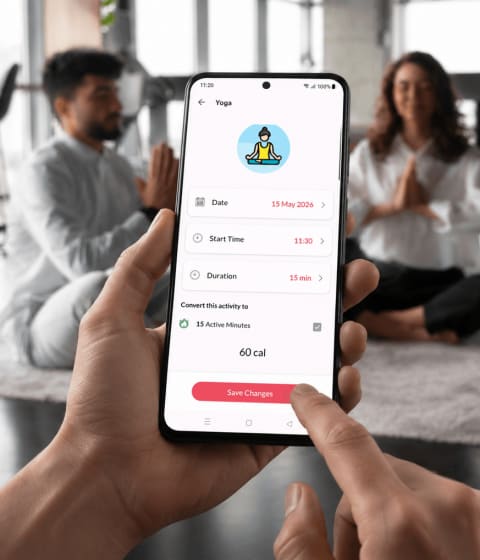
That is why many hospitals now look for wellness tools nurses can use in the short breaks between patients. In Vantage Fit, for instance, employees can play short guided audio sessions, even offline, and each finished session counts toward the program alongside steps.
So why is the pressure on nurses rising?
Have you noticed that the percentage of chronic health issues is growing erratically? As a result, the workload of every health worker is increasing by the minute.
When it comes to health workers, nurses are pivotal in holding up the fort. The nursing profession has a large population. Nurses battle a lot, from lifting patients to running around to fulfill their patient care duties. So, health care organizations should emphasize supporting the health and professional well-being of nurses for morality and better patient care outcomes.
How do you get started with that? A key solution is wellness programs for nurses. These programs offer a proactive solution to meet nurses’ unique health demands and increase their retention rate. Intrigued? Keep reading to learn more about nurse wellness initiatives.
Key Takeaways
- Burnout is pushing nurses out. The American Nurses Foundation found that 56% of nurses reported burnout in 2023, and burnout is linked to higher nurse turnover.
- Nurses want stress support first. In my local survey of nurses, most said they would attend stress management workshops as part of a wellness program.
- Make breaks acceptable, not just allowed. Encouraging short breaks every two hours helps nurses reset without feeling judged for stepping away.
- Support goes beyond the program. Counseling, peer support groups, recognition, and flexible schedules all help protect nurse well-being.
Why Is A Nurse’s Wellness Non-Negotiable?
Nurse health and patient care go hand in hand. From tending to a patient’s wounds to substituting for the responsibilities of a primary doctor, nurses deal with multiple duties. Not to mention, nurses, like everyone else, have personal battles, too.
Nurse practitioners are registered nurses with at least a master's degree who can assess patients, prescribe medications, and order lab tests, often serving as primary care providers, according to the U.S. Bureau of Labor Statistics.
The well-being of nurses is essential for maintaining patient care outcomes. This is one of the biggest reasons why nurse wellness is non-negotiable.
Here’s the story of Lori Jackson, a dedicated ICU nurse who faced overwhelming challenges during the height of the pandemic (published on Rocky Mountain PBS).
She recounted, "I remember working with a husband and wife who were grandparents. Their teenage grandson brought COVID home to them after he snuck out to go to a party," she recalled. "The grandfather died." She further shared, "I held many, many hands for patients who were dying and didn’t have anyone else,” she explained, wiping tears from her eyes. “It was difficult. We [the nurses] were it, but we didn’t want people to die by themselves and we were risking our health by being in there with them." This tragic experience highlights the emotional toll nurses endure daily.
The Retention Crisis: How Burnout is Driving Nurses Away
The situation regarding nurse burnout is real and escalating rapidly, leading to a low retention rate at healthcare facilities. A 2021 study of 351 nurses in Oman found that about 65.6 percent reported high levels of job burnout.
Burnout also drives nurses to leave. A 2020 study in Nursing Outlook found that each one-unit increase on the emotional exhaustion scale raised the likelihood of a nurse leaving their organization by 12 percent.
It is also observed that overworked nurses are not able to offer quality nursing services, compromising patient health and safety. Here’s a gist of how burnout at work is affecting the nursing profession:
- Nurses are choosing travel nursing over full-time positions.
- They are transferring from large health care units to small-scale facilities like clinics and nursing homes.
- Some nurses are even quitting their profession.
So, you see, the woe of a nurse is a reality that goes unseen and unheard in the eyes of the public.
I recently conducted a survey in my local area to understand the situation of nurses’ well-being. Here’s a snippet of their response.


How Do Wellness Programs Alleviate Burnout and Enhance Retention?
Wellness programs provide a wide array of health and organizational benefits. A standard wellness program includes the following core elements:
Thorough health screening and risk assessment
- Nutrition intake tracking
- Mental health resources
- Financial wellness resources
- Personality development resources
- Healthy habit development
These elements are essential to safeguard the well-being of a busy working individual.
Corporate wellness programs are designed and planned to help participants achieve their health goals and build healthy habits. When employees feel healthier and better supported, organizations benefit too.
This ultimately helps organizations retain top talent and achieve a good ROI. Incorporating a wellness program is a great way to tackle nurse burnout and turnover rates.

The question that arises next is how to reduce nurse burnout through wellness programs? Head over to the next section to find out.
Best Practices for Implementing a Well-Rounded Wellness Program for Nurses
No job is easy to perform. Every job has its fair share of unique challenges, responsibilities, and demands that have the potential to take a toll on the worker’s well-being.
For instance, as a content marketing specialist, I often deal with writer’s block, burnout, and even back pain. How do I tackle my challenges? I try to focus on the areas affecting my work and personal life by meditating, relaxing after work, and practicing office exercises.
Similarly, nurses have their own work hurdles that hamper their work performance and health. So, for nurses to lead a fulfilling work and personal life, here are some practices that leaders can initiate in a wellness program:
Implement A Mental Wellness Initiative
The nursing profession is a mentally demanding job. There’s a public perception that nurses taking breaks while on patient care duty is selfish. However, from the nurses’ perspective, they require some time off to reset their minds while on duty. This helps them deliver better care for patients.
Given this perception, many nurses refrain from taking mini breaks to avoid stigma. This benefits no one and will only create a ruckus in the healthcare facility. So, to prevent this, employers should encourage their staff to take breaks at least every 2 hours.
During these breaks, they can complete tasks within a wellness program, like practicing mindfulness meditation or logging their mood in a private check-in. Mood check-ins help nurses notice their own patterns, while HR can track how many people take part in these activities across the organization.
Rising or falling participation tells HR and employers where to add support for their nurses.
For instance, on Vantage Fit, the wellness app we use in-house, mood check-ins stay private to each employee, while finished mindfulness sessions count toward the same participation rate HR tracks for steps. If that rate dips, HR can organize light activities and point employees to mental health support resources.
A Physical Wellness Initiative Is The Need Of The Hour

Nurses undoubtedly undergo physically demanding tasks like standing for hours to attend to patients.
The human body has an inbuilt resilience to a certain amount of stress. However, when exposed to extreme stress for longer periods, it may lead to a chronic health condition.
Nurses are prone to several disorders, ranging from musculoskeletal to metabolic conditions. It is also worth mentioning that even though nurses spend much time on their feet or moving about on duty with less sleep, their physical well-being remains at stake. In short, work burnout among nurses is real.
As part of a well-rounded wellness program, employers can include sleep-tracking activities so nurses can monitor their own sleep quality and duration.
Based on company-wide sleep averages, HR can spot when shift patterns cut into rest and adjust schedules so nurses can maintain a healthy sleep routine. They can also introduce sleep-inducing mindfulness sessions and encourage consumption of superfoods that help improve sleep quality.
Organizational support matters too. The same Oman study found that strong leadership and support from nurse managers, adequate staffing and resources, and nurses’ access to support were all linked to lower burnout.
Supporting Nurse Well-being Takes More Than Just Wellness Programs
Along with an effective wellness program, safeguarding nurses’ well-being can include the following tips:
1. Workplace Counseling
In recent times, workplace counseling has become a necessity. Yet in a 2022 Gallup survey of more than 15,000 U.S. workers, 57% could not confirm that easily accessible mental health support existed at their workplace. Given the daily stress nurses have to undergo, offering workplace counseling services is critical.
Employers can get an on-site counselor to help healthcare facility employees seek urgent assistance.
2. Peer support group
People who work in the same profession and share similar situations better understand each other’s struggles. For this reason, peer support is a great way to offer nurses additional wellness assistance.
Some individuals may not feel comfortable sharing their concerns with an unknown person, even if they are professionals. In these cases, peer support groups may help them better deal with their struggles and offer emotional resilience and stress relief.
Employees with similar workplace struggles can share a unique problem-solving or coping approach in such sessions. This way, other employees experiencing difficulties will have a shoulder to lean on while battling workplace stress.
Peer support programs, such as mentorship or buddy systems, foster a sense of community and can help nurses manage stress.
Mobile wellness apps and virtual support groups allow nurses to access resources and connect with peers anytime.
3. Off-site counseling
Other than the above two approaches, organizations can offer off-site counseling services to their nursing staff. This can also be a virtual counseling service.
4. Reward and recognition
The rewards and recognition system never goes out of trend. We humans are naturally drawn to the idea of getting rewards and recognition. Some may argue, “Why give additional rewards or incentives when you are already getting paid for the job?” Well, employees disagree with this notion.
Recognition also affects retention. A Gallup analysis found that employees who do not feel adequately recognized are twice as likely to say they’ll quit in the next year.
So, dear employer, I recommend integrating a suitable reward and recognition program for your staff as soon as possible.
5. Flexible work hours
Flexible work hours are one of the most basic ways to support nurses’ well-being. They should have the liberty to choose their work schedule or at least be able to switch their work timing with someone else in the department.
By doing so, nurse professionals can reset, rewind, run their errands, and get back to work with more enthusiasm. When you provide a work-life balance to nurses, they will have the capacity to deliver excellent patient care effortlessly.
Help Nurses Stay Well and Engaged with Vantage Fit

As I am wrapping up, it may seem to some that safeguarding the well-being of nurses is a hefty task. If you are interested in integrating a wellness program for nurses or want to learn more about it, look no further.
Introducing Vantage Fit, a corporate wellness platform loved by 100+ organizations. It offers gamified and incentive-based challenges to bring healthy lifestyle changes and more.
Want to learn more?
Talk to one of our experts right away and find out what’s best for your employees and organization.
Time constraints and a lack of awareness are common barriers to participation in wellness programs. Hospital management can address these by offering incentives and integrating wellness activities into regular shifts.
Looking ahead, digital health tools and organization-wide wellness committees are likely to play a bigger role in supporting nurse well-being.
Frequently Asked Questions
What is wellness in nursing?
Wellness in nursing means nurses staying physically, mentally, and emotionally healthy enough to give safe patient care. It depends on adequate rest, manageable workloads, mental health support, and a workplace that encourages breaks.
What are examples of wellness programs for nurses?
Common examples include stress management workshops, mindfulness sessions during breaks, fitness and step challenges, sleep support for shift workers, on-site or virtual counseling, peer support groups, and recognition programs.
Why are nurses leaving their jobs?
In a 2023 American Nurses Foundation and McKinsey survey, nurses who planned to leave cited not feeling valued by their organization, insufficient staffing, and inadequate compensation as the top three reasons.
What types of wellness programs are most effective for nurses?
In my local survey of nurses, most showed interest in programs that offer stress management, physical fitness sessions, and social support groups. Programs work best when activities fit into short breaks between patients.
How can wellness programs be tailored to fit nurses' demanding schedules?
Start by surveying nurses about their daily routines and wellness needs. Then build the program around short activities, such as guided audio or step goals, that fit into breaks and different shifts.
Can wellness programs be scaled for larger healthcare organizations?
Yes. Digital wellness platforms let large healthcare organizations run one program across departments, sites, and shifts, while HR tracks participation in one place instead of managing each unit separately.
Why should nurses participate in wellness programs?
Wellness programs give nurses practical ways to manage stress, sleep, and physical strain. With 56% of nurses reporting burnout in the American Nurses Foundation's 2023 survey, that support protects both their health and patient care.