Emotional resilience is the ability to manage stress, adapt to setbacks, and recover emotional balance after a hard moment. At work, it shows when someone takes criticism calmly, keeps going after a failed project, or asks for help early. It is a skill, so anyone can build it with practice.
The American Psychological Association describes resilience as adapting well to difficult experiences through mental, emotional, and behavioral flexibility. Workplaces can make that easier to practice. Vantage Fit, for example, gives employees guided meditation sessions and a private mood log, so they can notice stress early and reset before it builds.
Every workplace has its storms: missed targets, tense meetings, sudden changes in direction. Resilience decides whether those storms knock people over or pass through. Here’s how it shows up day to day, the traits behind it, and 10 ways to grow it.
Key Takeaways
- Emotional resilience at work is the difference between a setback that derails a week and one that becomes a lesson, and it grows with practice.
- Resilient people share six traits that can be practiced, and social support is one of them: even very strong individuals rely on trusted colleagues and friends.
- Employees build resilience through daily habits such as learning from criticism, building friendships at work, protecting time off, and looking after their health.
- Employers strengthen resilience with anonymous wellbeing surveys, regular recognition, confidential counseling, resilience training, and a shared sense of purpose.
- Workplace resilience training produces modest gains in mental health and performance, and one-to-one coaching gives the strongest results.
What does emotional resilience look like at work?

Emotional resilience at work looks like a steady, practical response to pressure. A resilient person notices the frustration, takes a moment, and then chooses what to do next, so one hard day stays contained. Here are a few everyday examples from the workplace:
-
Pausing before replying to a sharp email, then answering calmly
-
Rescheduling without panic when a client moves a deadline
-
Saying no to extra work when the week is already full
-
Congratulating a colleague after losing the pitch they won
-
Taking a short walk after a heated discussion, then returning to the task
Resilience means failing and still powering through, while protecting your ability to function well. Office politics, competition, and heavy workloads can take a toll on your mental health, and resilient people grow through those disappointments. The skill comes quickly, but it pays off when it becomes part of everyday work.
Traits of Emotional Resilience

Emotional resilience develops with time and experience. At its core, it is the ability to adapt to everything happening in and out of the workplace and to keep your balance while you do. Resilient people tend to share six traits that help them roll with the punches:
1. Optimistic Behavior
-
Seeing the positive side has helped people through hard times for ages. Believing you can overcome adversity keeps chaos out of your work life.
-
Suppose you are handed a heavy workload and you panic. The situation quickly gets worse. A resilient person looks for ways to finish the job by putting their strengths to work in the right places.
2. Locus of Control
-
When you believe that you are the one controlling your work life, and nobody else, who’s to stop you?
-
Resilient people take a realistic view, avoid playing the victim, and focus on solutions.
3. Awareness
-
Resilient people are aware of their feelings, so they read situations better. That awareness also helps them understand other people’s opinions and thoughts.
-
Would you not want to know why a coworker’s attitude has suddenly shifted? Awareness tells you how to respond and cope, instead of just snapping back.
4. Determination
-
What do you do when you face a massive challenge at work and have found no way to solve it? Panic, much?
-
A resilient individual keeps going until the problem is solved. High emotional resilience means being action-oriented.
5. Sense of Humor
-
As they say, laughter is the best medicine, and they are right.
-
Laughing at a difficult situation often makes it feel less threatening. As a result, you can focus on finding a solution instead of panicking.
6. Social Support
-
Resilient people are strong individuals, and they still lean on others when it counts.
-
Being alone is fine when you feel mentally strong, but social support adds peace of mind. That is why emotionally resilient people tend to surround themselves with supportive friends, family, and colleagues.
Ways to Build Emotional Resilience in the Workplace
Emotional resilience at work grows from two directions. Employees build it through habits they control, such as reflecting on mistakes and guarding their time off, while employers create the conditions for it through recognition, counseling, training, and a culture where asking for help feels safe.
For Employees
Work has grown more demanding, and workplace stress shifts from week to week. Here are five ways employees can strengthen their emotional resilience:
1. Learn from the Mistakes
Many times, you might be at the receiving end of criticism from your manager. Giving in to despair can crush your self-esteem, so pause and process the moment first. Stay in that zone briefly, and you will notice your reaction turn into a response.
A reaction after criticism is natural, and anyone would feel upset or angry. Resilience teaches you how to turn that reaction into something productive.
Imagine approaching companies for a partnership on a project. They ignore your emails and calls, and your manager quickly points out your mistakes. You would feel frustrated, but once the ranting is over, take time to reflect: perhaps this deal was never worth it.

Try to take a lesson from everything, good and bad. Brainstorm ideas, see where you went wrong, and plan a strong comeback.
2. Socialize and Reach Out
Socializing takes you far in building your network, and nobody gets through a hard week alone. At work especially, you need at least one or two people you trust. Loved ones can listen on a bad day, but they can do little from far away.
That is why it helps to have a few mindful ears among your colleagues, whether you call them acquaintances or friends.

It is best to have people at work you can rely on, who can help you see things from a new perspective. Extend your network, ask for support whenever you need it, and offer the same support to others.
Want managers to make reaching out easier? Use the free Mental Health Conversation Starters for Managers, with ready-to-use scripts, a conversation framework, and crisis protocols.
3. Balance Personal-Professional Life
Maintaining a balance between work and life gets tricky, but it is worth restoring, however difficult it may be. Give time to yourself outside work and explore new things, because both help lower stress levels.

Go to the gym after a long day or meet friends, so your mind stays engaged in lighter activities. Once you find that balance, you will feel the difference yourself.
Give your life more than one purpose, so a hard day at work cannot take over everything. Having something to look forward to builds strong resilience: you leave the stress at the office, and once you are out, you switch off both mentally and physically.
4. Maintain Good Health
Physical and mental health are closely linked, and one always affects the other. If you fall ill often, your peace of mind suffers every few days, and so does your efficiency.
Likewise, a pile of pending work can make you anxious enough to skip meals and work late. Your physical health then declines along with your mental strength.
A healthy routine of good food and regular exercise builds strong resilience, because a fit body gives you fewer aches and colds to drag down your spirit.
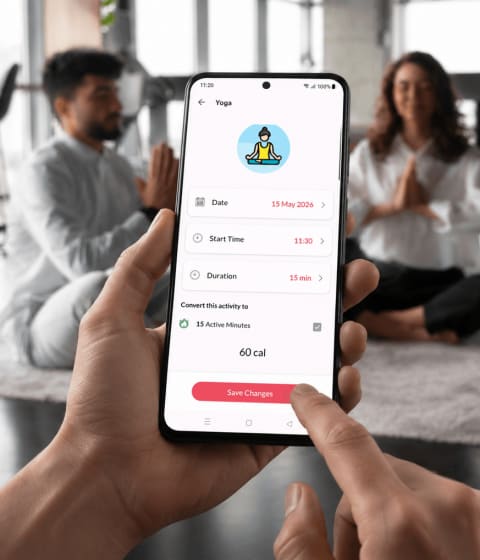
Keeping these habits consistent is often the hardest part. Vantage Fit helps by bringing step tracking, water and mood logging, and guided mindfulness sessions into one app, so a 10-minute meditation before a difficult conversation or a short afternoon walk becomes part of the day.
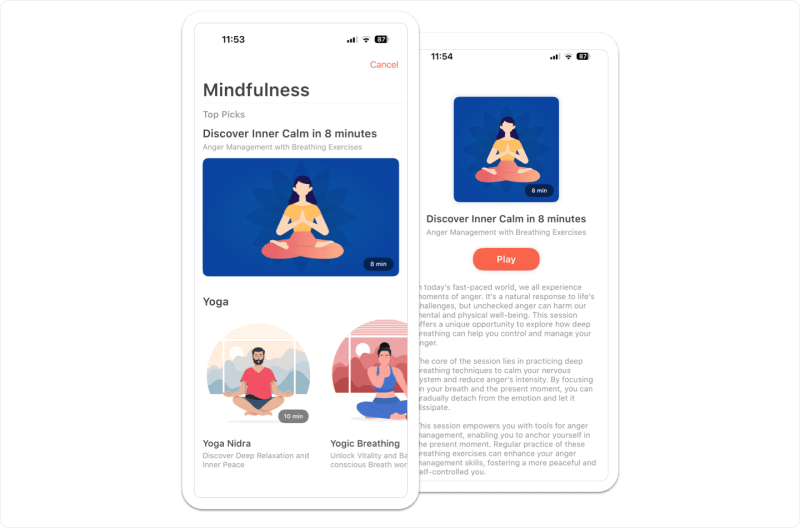
At Wipro’s two-week “Inbox to Inner Peace” challenge, 57 employees logged 1,279 mindfulness minutes and 163 yoga sessions on Vantage Fit. Small choices like these add up to a stronger, more balanced routine, so eat well, exercise, and drink plenty of water.
5. Grow some Compassion
Everyone makes mistakes, and they are part of being human. Messing up some data or missing a deadline happens to all of us. Feeling upset is natural, but beating yourself up only adds stress, which is why it helps to take breaks often.

If your boss’s criticism stings, go for a walk to clear your head. If the workload feels too heavy, take a day off and gear up for the challenge ahead.
Blaming yourself for a mishap at work does no good, but getting ready to face the hurdle and overcome it surely will.
For Employers
As an HR professional, you already carry a heavy workload, and keeping employees focused and motivated adds to it. Retention gets harder when employees face stress they cannot manage, which is why employee wellness and stress management belongs at the top of the HR agenda.
Here are five ways employers can build emotional resilience in the workplace:
1. Understand Team Health, Privately
Prioritizing employee health is a significant responsibility for employers. When a reliable employee starts missing deadlines, stress may be the reason, and support begins with understanding how the whole team is doing.
An anonymous wellbeing survey can show patterns such as rising stress levels, and a health risk assessment shows how fitness scores are spread across the workforce, both without exposing any individual. Training managers to spot the signs of stress then helps support reach people early.
On Vantage Fit, HR sees company-level trends, such as participation and wellness scores, while every employee’s health details stay private.

Paired with broader corporate wellness programs, this approach makes it easier to promote health in the workplace and helps the team develop emotional resilience.
2. Positive Environment
The workplace environment matters a great deal. A dull, gloomy setting where every day feels the same frustrates people, so introduce fun-filled programs that break the routine.

A healthy work environment also grows through rewards and recognition, which build a sense of security and trust between employers and employees. Appreciating good performance motivates people to do more, so after a mistake they look for a quick fix and let the stress go.
With these activities, resilience gets a real boost because employees feel supported and secure. Run programs that strengthen stress management skills to keep that momentum going.
3. Assistance Programs
Employee assistance programs (EAPs) are instrumental in supporting staff. Employees face many pressures at work, and not all of them feel comfortable sharing their stress with colleagues. In those moments, an EAP gives them access to counseling sessions that help build emotional resilience.
Megha Mathur, a stress and anxiety coach, highlighted how simple, everyday actions from managers can also shape this experience:
"Don't judge someone on their bad day. They must be going through something. Three simple words, 'are you OK?', can change the dynamic of a relationship."
— Megha Mathur, Stress & Anxiety Coach | Listen to the full episode

With counseling available 24/7, employees who find it hard to open up can reach experts directly, by phone on a dedicated helpline or face to face in a private room. Because the sessions are confidential, employees can speak freely about everything bothering them at work.
4. Training Sessions
Building resilience takes real effort. As an employer, you shape how satisfied employees feel at work, so when your workforce hits a difficult stretch, it is your role to help them through it.
Stress is common, and helping employees overcome it is the mark of a caring manager and company. Resilience is a skill that differs for every person and takes practice to master, so offer training sessions and workshops where employees can grow it.
Resilience workshops teach practical ways to handle stress and pressure. They also make people more proactive and confident, so employees start to see problems as challenges they can overcome.
The evidence supports this. A 2016 meta-analysis of 37 workplace studies in the Journal of Occupational and Organizational Psychology found that resilience programs bring small but real gains in mental health and performance, with one-to-one coaching working best.
Training works even better alongside on-demand wellness support. A Vantage Fit client found that targeted relaxation tools made a real difference for employees during high-pressure periods:
"One of the features I loved the most is the Yoga Nidra session, which helped us relax in the stress-induced environment."
— Celegence, Life Sciences Consultancy

Pair the workshops with breathing exercises and meditation, which help employees think clearly and stay calm, so day-to-day stress does not grow into anxiety.
5. Spiritual Strength
Spiritual resilience is often overlooked, yet it carries real weight, because a person’s values and goals are a strong anchor. When someone is focused on a goal, the drive to achieve it outweighs the pull of stress, and that motivation brings real enthusiasm to their work.

Purpose works as a trigger for resilience. When employees believe their work matters, they find it easier to cope with whatever obstacle comes their way.
Small group sessions are a simple way to build this. Give employees a space to share their frustrations, and encourage them to believe in themselves and set clear goals.
Wrapping it Up
Work will always bring pressure, and resilience decides how people come through it. Panicking or running from problems helps no one, but a calm, practiced response turns setbacks into progress.
If you are an employee, pick one habit from this list to try this week. If you lead a team, choose one change to make this month, and build from there.
Frequently Asked Questions
Can emotional resilience be learned?
Yes. The American Psychological Association notes that the skills behind resilience can be cultivated and practiced. Reflecting on setbacks, building supportive relationships, and caring for physical health all strengthen it over time.
What are the signs of low emotional resilience?
Common signs include feeling overwhelmed by small setbacks, taking criticism personally for days, avoiding difficult tasks, losing sleep over work, and pulling away from colleagues when stress rises.
How do you build emotional resilience at work?
Start small: reflect on what each setback teaches you, keep a couple of allies at work, protect your time off, and move your body every day. Mindfulness practice and good sleep add steady support.
What is the difference between resilience and emotional resilience?
Resilience is the broad ability to adapt to hardship, including physical, financial, or practical setbacks. Emotional resilience is one part of it: the ability to manage your feelings under stress and return to a steady emotional state.
How can managers support employee resilience?
Managers support resilience by noticing changes in behavior, asking a simple "are you OK?", and listening without judgment. Regular recognition, realistic workloads, and quick access to an EAP give employees room to recover.
Why is emotional resilience important in the workplace?
Emotional resilience helps employees handle pressure, recover from setbacks, and keep performing through change. For employers, a resilient team adapts faster to new demands and bounces back sooner after difficult periods.