Employee welfare refers to the broad range of benefits and services provided by an employer to promote the well-being of its employees.
This can include both physical and mental health services, such as health insurance, dental and vision care, life and disability insurance, and access to wellness programs like fitness centers or on-site daycare. Additionally, employee welfare covers financial benefits like 401(k) plans, paid time off, and subsidized meals.
The main goal of employee welfare is to make workers happy and productive. It helps improve morale and creates a better company image. Offering good welfare programs can also reduce the costs of hiring new employees and improve retention.
The International Labour Organization (ILO) says employee welfare is about improving workers’ working and living conditions. Even if not required by law, these services help people feel safe and respected at their jobs.
What Are the Types of Employee Welfare?
Employee welfare can be split into three main types. Understanding the difference between what is required by law and what is offered as a competitive advantage is crucial for HR leaders.
| Category | Definition | Examples |
|---|---|---|
| Statutory Welfare | Mandated by government laws and labor regulations. Non-negotiable for compliance. | Minimum wage, OSHA safety standards, maternity leave, sanitation, rest breaks. |
| Voluntary Welfare | Benefits offered by employers beyond legal requirements to attract and retain talent. | On-site gyms, wellness apps, flexible work, subsidized meals, mental health support. |
| Collaborative Welfare | Joint initiatives where both employer and employee contribute to the program's success. | Employee-run cooperatives, profit-sharing plans, mutual benefit funds. |
1. Statutory Welfare

Statutory welfare refers to the benefits that the government requires employers to provide. These include minimum employee safety and well-being standards, like first aid kits, safe working hours, proper sanitation, and more. These services are non-negotiable and mandated by law to protect workers.
2. Voluntary Welfare
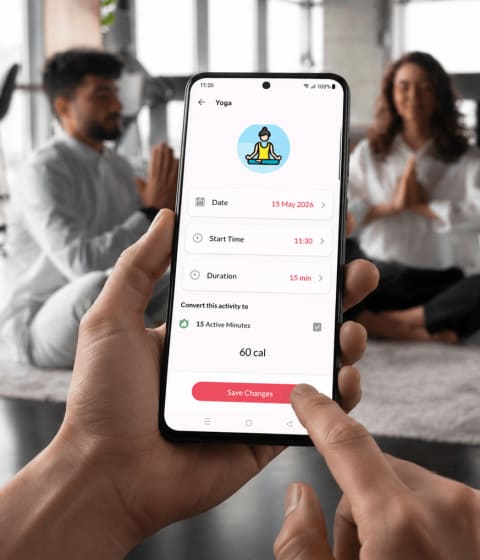
Voluntary Welfare are benefits employers choose to offer, even though they are not required by law. These perks show a company’s commitment to its employees’ well-being and can help attract and retain talent. Platforms like Vantage Fit act as the digital layer for these voluntary benefits, allowing companies to offer gamified wellness challenges and rewards that go beyond basic health insurance.
3. Collaborative Welfare
Collaborative welfare schemes are collaborations between employers and employees. Both parties share responsibility for organizing and contributing to these benefits, such as cooperatives or profit-sharing plans.
Why is Employee Welfare Important?
Prioritizing employee welfare isn’t just about ticking boxes; it’s about fostering a thriving, committed workforce. When employees feel valued and supported, remarkable things happen.
1. Boosted Productivity
Happy employees are productive employees. It’s simple math: when people are content and healthy, they perform better. According to the World Health Organization, workplaces prioritizing well-being see a 20% increase in productivity.
Beyond morale, there is a clear financial argument. Research shows that comprehensive employee welfare programs can result in an average of $250 annual savings per employee in healthcare-related costs.
2. Higher Employee Retention
Turnover is costly. Retaining experienced staff saves time and money. Employees who feel their welfare is prioritized are less likely to jump ship. Workers who feel cared for are 69% less likely to seek new job opportunities.
3. Enhanced Job Satisfaction
Employee morale soars when they are satisfied with their work environment and benefits. High morale leads to better job performance, increased motivation, and a positive workplace culture.
4. Attraction of Top Talent
A strong reputation for employee welfare attracts high-quality candidates. Talented individuals seek employers who offer comprehensive benefits, work-life balance, and a supportive environment.
5. Positive Work Environment
A focus on welfare fosters a positive work culture. When employees feel valued, it creates a ripple effect, promoting collaboration, respect, and a shared commitment to organizational goals.
6. Reduced Absenteeism
Investing in employee well-being leads to healthier staff, which means fewer sick days. Healthier employees are more engaged and present, contributing to a more stable and efficient workforce.
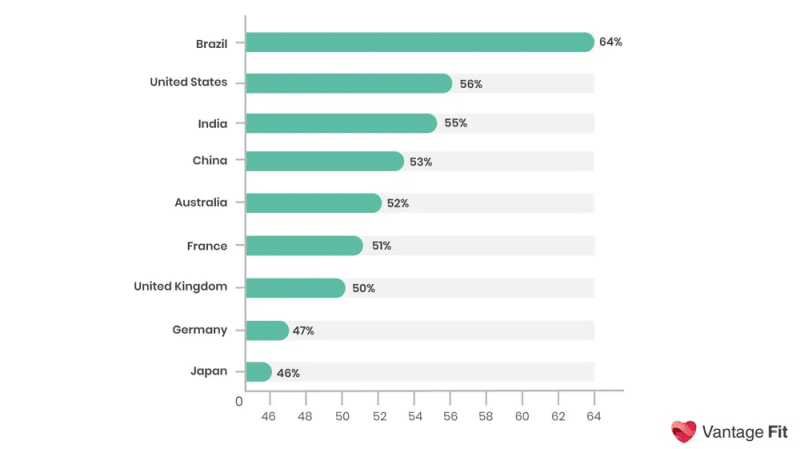
Global Employee Well-being: Satisfaction Rates
According to a recent global survey compiled by Market.us Media using Statista data, employee satisfaction with their well-being varies by country:
How Vantage Fit Can Improve Employee Welfare
If your organization is looking for a scalable solution that aligns with your goals for employee welfare, Vantage Fit is the answer. Features like activity tracking, wellness challenges, and mental health support keep employees engaged and motivated. By providing valuable insights into employee health, Vantage Fit helps employers refine programs for better outcomes and improved retention.
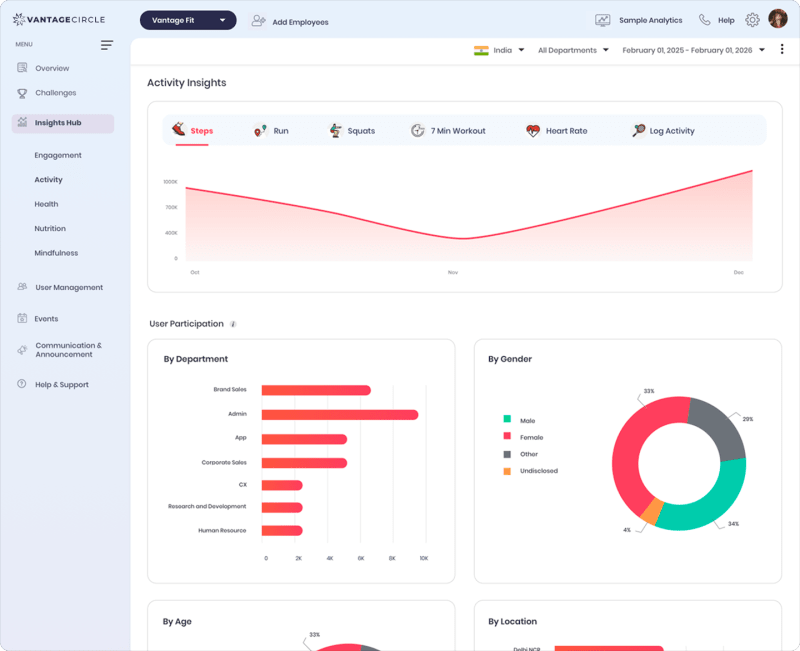
Organizations worldwide have already embraced Vantage Fit to transform their workplace wellness programs. For instance, the Global Corporate Virtual Walkathon 2021, hosted by Vantage Fit, saw participation from over 3,600 individuals across 24 countries, a testament to its ability to inspire healthier lifestyles on a global scale.
Suggested Read: 55 Important Safety Messages for Work
Frequently Asked Questions
What are some employee welfare benefits plans?
Employee welfare plans include health insurance, paid time off, wellness programs, and on-site childcare. 419(E) plans offer tax benefits for both employees and employers to help improve overall well-being.
What kind of questions are in an employee welfare questionnaire?
- Are you happy with your health benefits?
- Do you feel your work and personal life are balanced?
- How safe do you feel at work?
- Do wellness programs motivate you?
- What other benefits would you like?
Employee Wellness Survey tools ask these questions to understand employees' feelings.
How do we promote staff welfare?
Promote staff welfare by offering good benefits, helping employees balance work and life, and supporting mental and physical health. Make sure to keep improving welfare programs.
How do employers check the welfare of employees?
Employers can check employee welfare by using surveys or talking to employees one-on-one to see how they feel and if they need support.
Is employee welfare the same as employee wellness?
No, employee welfare includes benefits like insurance, while employee wellness focuses on health programs for physical and mental well-being. Read more in our employee wellness article.
What are some employee wellness programs?
- On-site gyms or gym memberships
- Mental health support programs
- Healthy meal options
- Flexible work hours
- Stress management workshops
Are employee benefits the same as staff welfare?
No, employee benefits include health insurance and paid leave. Staff welfare includes those benefits, plus other things like safe working conditions and work-life balance.