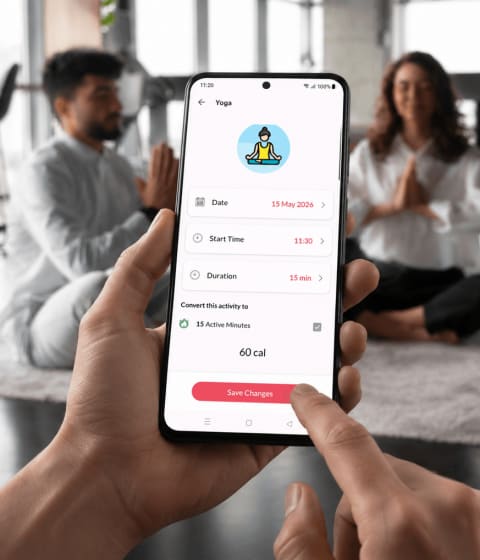
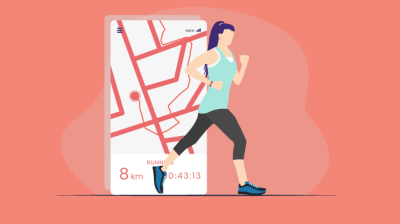
Group fitness classes are instructor-led workouts where a group follows the same routine together, usually for 30 to 60 minutes. Popular options include Zumba, yoga, HIIT, CrossFit, and running classes. Training alongside others adds motivation and accountability, which makes regular exercise easier to keep up.
For employers, group classes do double duty. They get people moving after long hours at a desk, and they give colleagues a shared activity that builds stronger working relationships. Vantage Fit helps bring that group energy to a whole workforce through team challenges and live leaderboards.
Here is why group classes work, which ones to try, and how to join or start one.
Key Takeaways
- Group fitness classes put people through one instructor-led workout together, so motivation and accountability come built in.
- Medical students who took group fitness classes for 12 weeks cut their perceived stress by 26.2%, a far bigger drop than those who exercised alone.
- Popular classes range from low-intensity yoga and meditation to high-intensity CrossFit and MMA, so every fitness level has an option.
- Employees can join through office classes, open-air sessions, virtual classes, a fitness center, or an instructor hired for the team.
- Pairing classes with team challenges on a wellness app keeps a group active between sessions.
What Are the Benefits of Group Fitness Classes?
Group classes make exercise easier to start and easier to keep up. Research backs the social effect: in a 12-week study of medical students, those in group fitness classes reported 26.2% less perceived stress, along with better physical, mental, and emotional quality of life.
Accountability
A booked class is a commitment. Many gyms ask members to sign up ahead, and some charge a cancellation fee, which makes skipping harder. In a group, people also expect you to show up, and that expectation keeps you consistent.
Some activities depend on everyone being there: a partner drill or a team relay only works when people turn up. If booking is optional at your gym, put your favorite classes in your calendar or bring a friend to create the same commitment.
Motivation

A room of people working toward the same goal, led by an instructor, lifts everyone’s effort. Friendly competition pushes you a little harder, and seeing someone lift heavier becomes a reason to aim higher.
Group training blends social contact with physical effort. The cheering and shared energy set a positive tone, which helps you dig deeper on days when motivation runs low.
Health and nutrition coach LeAnn Smith, who also runs corporate wellness programs, puts the long view simply:
"Being healthy, living a balanced healthy life is not short term. It is life. It is a long term thing. So first of all, don't beat yourself up. Be kind to yourself and be consistent and enjoy the process. Find movement, find exercises and activities that you enjoy."
Form and Coordination

Good form gets better results and lowers the risk of injury. In a class, the instructor demonstrates each move and corrects your technique as you go, which is hard to get from a video or a solo session.
Moving in sync with a group also sharpens coordination. Many classes combine balance and stability work with music and instructor cues, so you learn to control your body while keeping time with others.
Social Connection and Team Building

Classes give people an easy way to meet and bond. For employees who feel isolated or barely know their coworkers, a shared workout breaks the ice and makes social connection at work easier. Working through tough sessions together also builds the trust and teamwork that carry back to the job.
ISKL, an international school whose staff joined Vantage Fit team challenges, found that variety kept people engaged:
"We love the Vantage Fit app! The wide variety of wellness options kept our team interested week by week."
ISKL, client testimonial
Time Efficiency
A class has a set start, a set end, and a plan, so no time goes into deciding what to do. A before- or after-work slot, booked like a meeting, is also easier to protect than a vague plan to exercise later.
Confidence and Fun
Joining a class can do wonders for confidence. As you master new moves and see progress, the sense of achievement spills into other parts of life, and the group’s encouragement makes a new class feel less intimidating.
Classes are also simply fun. Dancing to music, cheering each other through the last set, or laughing at a tricky routine makes exercise something to look forward to, which is the surest way to keep doing it.
Popular Types of Group Fitness Classes
Here are some of the most popular options, from gentle to intense.
Zumba

Zumba turns aerobic exercise into an energetic dance routine. Mixing low- and high-intensity moves, it works like interval cardio and burns calories while feeling like a party. Beginners and regulars can work at their own level, and the music makes the time pass quickly.
Yoga
Yoga builds flexibility, strength, and balance, and teaches breathing that calms the mind. Learning yoga in a group with an instructor helps beginners get poses right. Styles range from gentle Hatha and Restorative yoga to faster Vinyasa and Ashtanga, and many sessions end with guided breathing.
MMA

Mixed martial arts has grown with the UFC’s popularity, and classes cover Jiu-Jitsu, kickboxing, Muay Thai, and Sambo. As a contact sport, it is best learned in a class with a qualified instructor who teaches safe technique. Training with peers also gives you partners of different sizes and styles.
Meditation

Meditation trains attention and calm, and a few minutes a day is enough to start. Meditating in a group adds structure and a shared sense of calm, and a regular practice may help ease stress and anxiety.
CrossFit

CrossFit combines cardio, weightlifting, and gymnastics in high-intensity circuits. In a group, coaches lead each workout and correct your form, which matters at this intensity. Workouts can be scaled, so each person trains at the right level within the same session.
Swimming
Swimming builds strength and cardiovascular fitness while staying easy on the joints. A group class with a certified instructor helps you refine your technique at any level, and swimming alongside others keeps you motivated.
Running Classes

Running classes and clubs build stamina and good form for anything from a first 5K to a marathon. Running with people at a similar pace keeps you consistent and helps you avoid overdoing it. Many local clubs meet early in the morning and double as a friendly community.
Use this quick comparison to pick a class for your team:
| Class | Best For | Intensity |
|---|---|---|
| Zumba | Fun cardio for all levels | Moderate to high |
| Yoga | Flexibility and stress relief | Low to moderate |
| MMA | Strength and self-defense | High |
| Meditation | Focus and calm | Low |
| CrossFit | Strength and conditioning | High |
| Swimming | Low-impact, full-body fitness | Moderate to high |
| Running classes | Stamina and race training | Moderate to high |
Running a group challenge at work? Use the free Workplace Fitness Challenge Template, with a PDF workbook and an Excel tracker for step, multi-activity, and bodyweight challenges.
How to Join or Start a Group Fitness Class
There are several ways in, depending on whether you are joining alone, with friends, or setting something up for a whole team.
Office Fitness Classes

Many employees sit for most of the day and struggle to fit in a workout after hours. Office fitness classes, led by a trained instructor before or after work, remove that hurdle and help build a workplace fitness culture.
Yoga, Zumba, and instructor-led circuits all suit an office group. Office fitness challenges pair well with them and keep the momentum going between sessions.
There is evidence it pays off at work, too. In a 2005 Leeds Metropolitan University study, workers reported about 15% better performance on days they exercised at midday, with better time management and mental performance.
Open-Air Fitness Classes

Outdoor classes swap the stuffy gym for fresh air and daylight. Try a two-week boot camp in a park or a group bike ride along a scenic route. Outdoor sessions cost little to run, and many people find green space lifts their mood.
Virtual Classes

Online classes let a group train together from anywhere, at a pace that suits everyone. Choose between short recorded sessions and live interactive classes, and compare trainers before you sign up.
Join a Fitness Center
A fitness center gives you certified instructors, proper equipment, and a regular schedule. Pick the activity you enjoy, bring your friends along, and enroll in the class that fits your goals. Learning alongside peers in a supportive community also helps you keep good form and stay motivated.
Hire an Instructor
Hiring an instructor for your own group gives you structured, safe sessions and personal feedback for everyone. A certified instructor maps out a plan, tracks progress, and adjusts it as the group improves. It suits office teams who want classes at a time and place that works for them.
Start a 30-Day Group Challenge

A 30-day fitness challenge gives a group a shared goal and a daily routine, often a mix of push-ups, squats, jumping jacks, and cardio. Doing it together keeps everyone accountable and turns a short challenge into a lasting habit. Join one online or offline, or design your own.
App-Based Training

Fitness apps track steps, runs, and workouts, and show a group’s progress in one place, so training continues between classes. Many offer built-in features such as training plans and step tracking.
For employers, Vantage Fit turns individual effort into shared momentum. It supports 30+ activity types, from running and cycling to yoga and swimming, and syncs with devices like Apple Watch, Fitbit, and Garmin.
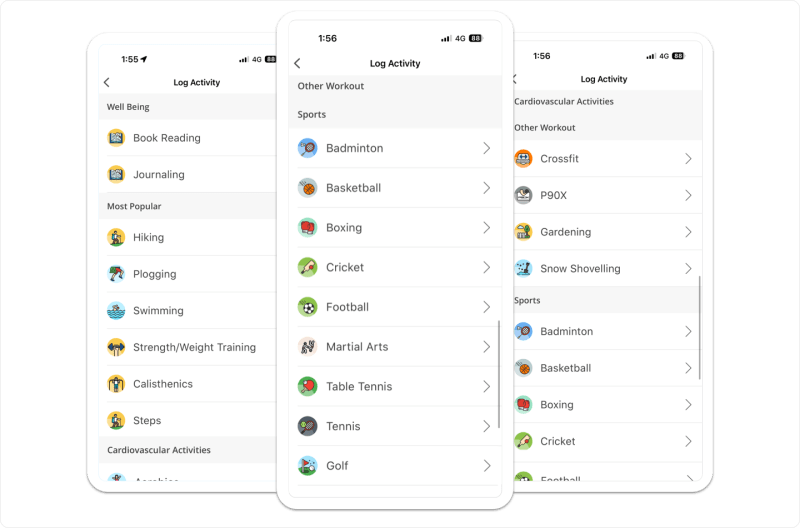
It works in practice. At Power System Operation Corporation of India, a two-week group walkathon run on Vantage Fit saw around 97% participation.
Final Words
Group fitness classes make exercise social, structured, and fun. Whether your team prefers Zumba, yoga, or a running club, the right class adds motivation, accountability, and a stronger sense of connection.
You have your fitness goals, and you have some squad goals; look out and enroll!
Frequently Asked Questions
Where can I find group fitness classes near me?
Search for "group fitness classes near me", or name the activity, such as "group yoga classes". Local gyms, community centers, and running clubs list their class schedules online.
How can I get colleagues to join a group fitness class?
Start with an activity most people can do, such as a walking group or beginner yoga, at a time that fits the workday. Invite colleagues personally, talk up the social side, and keep the first sessions light so everyone can keep up.
What is the most popular group exercise class?
Zumba, yoga, HIIT, and boot camp classes are among the most popular. Each suits a different goal, from fun cardio to flexibility to all-round conditioning.
How do you run group fitness classes at work?
Choose a format your team enjoys, book a qualified instructor, and schedule sessions before or after work hours. Track attendance and pair the classes with a team challenge, so people stay active between sessions.
Are group fitness classes good for beginners?
Yes. Instructors show modified versions of most moves, so beginners can follow along at an easier pace. Starting with a beginner or low-intensity class, such as yoga or Zumba, makes the first few sessions easier.
How often should you go to group fitness classes?
Three classes a week of about 50 minutes each covers the 150 minutes of moderate activity adults need weekly, according to the Physical Activity Guidelines for Americans. Add a strength-focused class twice a week to meet the strength guideline too.