
Want to bring this to your team? Schedule a free Vantage Fit demo to see how mood tracking, guided meditations, and mindfulness minutes work alongside team challenges.
Self-care and collective wellness are both essential components of burnout relief.
Creating a positive workplace culture through collective wellness is crucial. Fostering open communication and collaboration can help individuals feel supported and valued, alleviating burnout and promoting overall well-being.
Combining self-care and collective wellness practices can create a sustainable framework for burnout relief. They are important components of burnout relief because they help individuals cope with their work and personal life's physical, emotional, and mental needs.
Key Takeaways
- Burnout is a collective issue wearing individual clothing. It has been inaccurately framed as a personal failing. In reality, the conditions are organisational — the symptoms just show up one person at a time.
- Back pain is often burnout talking. Burnout has strong somatic manifestations — musculoskeletal pain, escalating medical claims, unexplained sick days. A persistent physical symptom that tracks stress is a signal worth reading.
- High performers are the most vulnerable. The stereotype that burnout is for slackers or the weak is backwards — people who always take on more, and deliver it well, are precisely who burn out.
- Three leader levers. (1) Actually prioritise: not everything is urgent. (2) Communicate along the way, including "we don't know yet" — silence triggers the worst-case fill-in-the-blanks. (3) Be human: when a top performer's output drops, don't assume slacking.
- Benefits are theatre if managers penalise using them. PTO policies, EAPs, and mental health benefits do nothing if mid-level leaders treat people who take them as slackers.
- Reversible, but not with a yoga class. Burnout responds to sustained, systemic effort — collective accountability, shared vocabulary, and rewards tied to wellness behaviours. A one-off wellness offering barely scratches the surface.
In Erayna's Words
On what burnout actually is
Burnout is a state of mental, physical, and emotional exhaustion brought on by chronic or prolonged stress. It isn't something that happens overnight.
Burnout is the canary in the coal mine. It rearing its head is indicative of something else brewing.
On the collective frame
Burnout has inaccurately been viewed as an individual issue. It's a collective issue with individual challenges — self-care done in mass gets you to a state of collective care.
People feel isolated and alone in the burnout journey. Part of it is the fear of being perceived like a slacker. But it's your high achievers, the people who always take on extra and do it with excellence, who are most prone to burn out.
On what leaders must do
Everything is not important. That was never the case. And especially now, everything is not urgent despite us living in this urgency culture.
When you don't know something, your mind just starts to fill in the blanks. Imagine that in an organisation of thousands — if everyone's just filling in the blanks, that's a formula for chaos.
If someone seems like they're drowning — especially one of your high-potential top employees — they're very likely not slacking off. It could be intense burnout where they cannot do the same level of output.
On benefits vs. permission
If you make it available, ensure people are actually using it. People don't believe their organisations or their leaders — so they don't use the benefits that are available.
About The Speaker
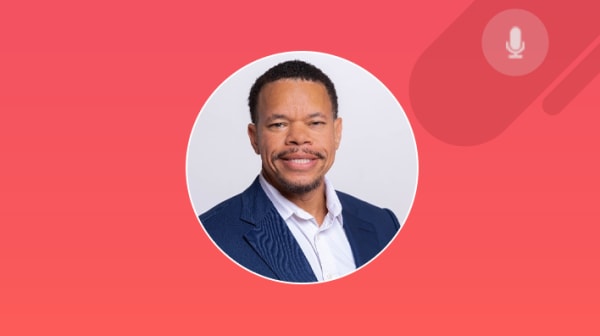
Erayna Sargent ( aka Chill Sargent), is a speaker, mental wellness champion, and burnout relief specialist. As founder and Chief Anti-Burnout Champion at Hooky Wellness®.
She merges employee-centric design and mental wellness for their signature framework, Navigating Burnout™. She has empowered thousands of professionals across clients including Google, Deloitte, Microsoft, LinkedIn, and more.
Connect with her on LinkedIn
Show Notes
(00:54) Please tell us about yourself.
(03:50) What is collective self-care? Explain its relevance in today's era.
(05:32) How do a burnout and related issues impact employees' health and workplace wellness?
(09:00) How can organizations incorporate self-care collective wellness into employees' well-being?
(14:16) Can you suggest ways to enhance and motivate self-care wellness to cater to burnout relief?
(16:31) What are the ways in which self-care collective wellness help reduce employee burnout?
(17:15) How can organizations integrate self-care collective wellness as part of burnout relief in a corporate wellness program?
(18:39) What would be your message to the corporate listeners?