A wellness coordinator is the person who designs, promotes, and measures an organization’s employee wellness program. They run health assessments, book activities and workshops, connect staff to benefits they already have, and report on whether any of it is working. Most sit inside HR.
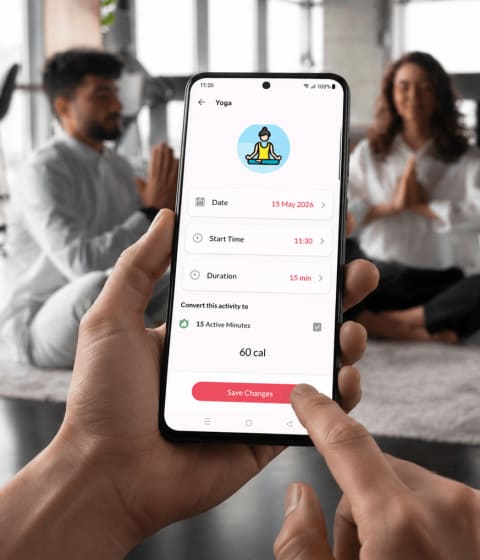
Much of the reporting side now runs on software. Vantage Fit, for example, handles challenge setup, participation tracking, and the engagement data a coordinator takes to leadership.
A health and wellness coordinator’s role is crucial to the organization’s growth. Especially after COVID-19, the health and well-being of employees have become more consequential than ever.
Wellness coordinators are the key individuals responsible for implementing programs to improve overall health outcomes. They educate and inspire people on issues of all kinds, from mental to physical health.
"A wellness coordinator can help to create a company culture that enhances the health and well-being of employees. One of the most critical duties is being a liaison for workers to find the resources and options they need and make them aware that there is help when needed. This can relate to both physical and mental health needs. Many employees are unaware that their benefits include access to help them with their wellness needs. A wellness coordinator can help to facilitate access to these benefits, which in turn helps employees navigate the challenges of their work and become happier, more engaged team members."

KEY TAKEAWAYS
- A wellness coordinator designs, promotes, and measures an employer's wellness program, usually from inside HR
- Core duties are health assessments, program promotion, activity scheduling, and reporting on participation
- The role leans on communication, organization, and data skills more than clinical qualifications
- Certificate courses exist for people moving into the role from HR or fitness backgrounds
- US median pay for health education specialists, the Bureau of Labor Statistics category covering this role, was $64,070 in May 2025
What Does A Wellness Coordinator Do?

A wellness coordinator is responsible for developing and implementing programs that promote healthy eating, exercise, and stress management. They also educate employees on balancing life and conduct health assessments, counseling, and teaching health topics.
Wellness coordinators play a key role in encouraging employees to embrace a healthy life and providing them with the resources they need to do so. They also work with employers to develop plans and measures to cover preventive healthcare services.
Here are some of the specific tasks that a wellness coordinator may be responsible for:
- Conducting health assessments and surveys to identify employee health risks and needs
- Developing and implementing wellness programs and wellbeing initiatives
- Educating employees about healthy living and providing resources
- Partnering with other departments and organizations to promote wellness
- Measuring the effectiveness of wellness programs and making necessary adjustments
- Reporting on wellness program results to management
What Skills Do They Need?

To be a successful wellness coordinator, you need to have the following skills:
- Strong communication skills
- Ability to work independently and as part of a team
- Excellent organizational skills
- Ability to manage multiple projects simultaneously
- Ability to work under pressure
- Commitment to continuous learning
Why Do Organizations Need A Corporate Wellness Coordinator?

In the fiercely competitive landscape of the present job market, companies are seeking new allures to attract and retain employees. Beyond the conventional benefits, incorporating wellness programs into their offerings has become significant.
Wellness programs also help organizations promote healthy lifestyles and reduce absenteeism and costs associated with illnesses and diseases.
According to the Centers for Disease Control and Prevention (CDC), a workplace health program is a comprehensive set of health promotion and protection strategies implemented at the worksite. It includes programs, policies, benefits, environmental supports, etc., designed to encourage the health and safety of all employees.
An onsite wellness coordinator looks into the health and wellness of the employees. They help to promote a vibrant, conscious, and innovative work culture. If employers want their employees to lead and excel in their jobs, they must consult a wellness coordinator to help them.
Corporate wellness coordinators develop onsite corporate wellness programs to help employees embrace a healthy life. And they also provide them with the resources they need to do so. Besides, they work with employers to develop plans and measures to cover preventive healthcare services.
Responsible employers always opt for onsite wellness coordinators for their workplaces. They help employees achieve their goals by properly developing and implementing programs that promote healthy eating, exercise, and stress management.
Corporate health and wellness coordinators always play a significant role in educating employees on balancing life. They are also responsible for conducting health assessment, counseling, teaching health topics, and coordinating fitness regimes.
How To Become A Wellness Coordinator?

Here are the steps on how to become a wellness coordinator:
1. Earn a bachelor’s degree in a relevant field
This could include health education, public health, nutrition, exercise science, or a related field. Some employers may also require a master’s degree in a related field.
2. Gain experience in health and wellness promotion
This could be gained through internships, volunteer work, or entry-level jobs in the health or wellness industry.
3. Get certified
Some certifications are available for wellness coordinators, such as the Certified Health Education Specialist (CHES) credential from the National Commission for Health Education Credentialing.
4. Develop strong communication and interpersonal skills
Wellness coordinators must communicate effectively with various people, including employees, managers, and healthcare professionals. They must also build relationships and motivate others to participate in wellness programs.
5. Be organized and detail-oriented
Wellness coordinators often have to manage multiple projects and deadlines. They must stay organized and track progress to ensure that programs run smoothly.
6. Be passionate about health and wellness
Wellness coordinators must be passionate about helping others improve their health and well-being. They should be able to communicate the benefits of wellness in an informative and motivating way.
Read: How To Become A Successful Corporate Wellness Consultant? Essential Skills & Qualities
What Certificate Courses Are Available For Becoming A Wellness Coordinator?

Many institutes provide certificates to become an onsite corporate wellness coordinators. Some of the most popular include:
-
National Wellness Institute offers the Certified Wellness Coordinator (CWC) credential. You must have a bachelor’s degree in a related field and complete the NWI’s online coursework to qualify.
-
Chapman Institute offers the Certified Wellness Program Coordinator (WellCert) Level 1 certification. You must have a high school diploma or equivalent and complete the WellCert online coursework to qualify.
-
Spencer InstituteSpencer Institute offers the Corporate Wellness Coach Certification. You must have a bachelor’s degree in a related field and complete the Spencer Institute’s online coursework to qualify.
-
Adapt Health Coach offers the Adapt Health Coach Training & Certification Program. You must have a high school diploma or equivalent and complete the Adapt Health Coach’s online coursework to qualify.
Major Duties & Responsibilities Of A Corporate Wellness Coordinator

The health and well-being of the employees are also crucial for organizational success. Healthy employees tend to lead quality lives than non-healthy ones. They have a lower risk of falling sick and becoming prone to chronic diseases and injury.
Healthier Employees = Healthier and Happier Work Cultures
A wellness coordinator must ensure employees’ physical, mental, emotional, and financial needs. Along with that, a coordinator works to;
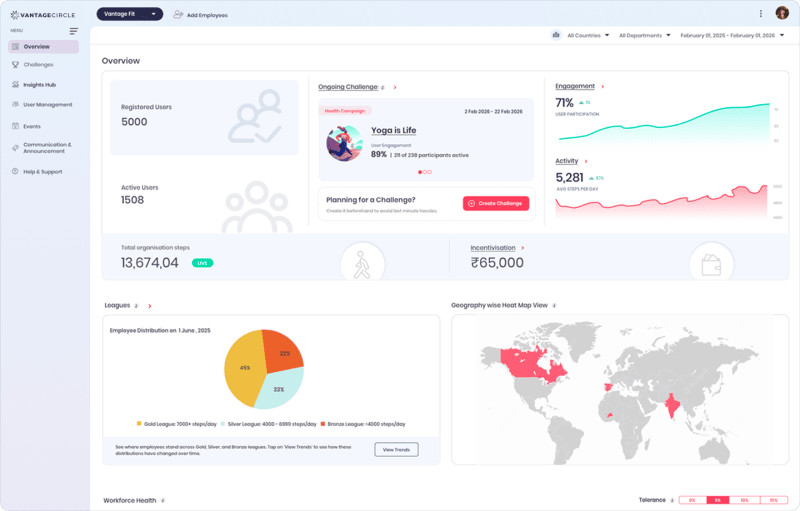
Platforms like Vantage Fit give wellness coordinators a purpose-built admin dashboard to manage all of this in one place — from building wellness challenges and tracking participation to pulling reports for leadership and running eNPS surveys after each program.

-
Develop and supervise health and wellness promotion programs
-
Educate employees on the significance of physical exercise, nutrition, stress relief activities, and other dimensions of wellness
-
Promote healthy lifestyle choices
-
Plan, implement and evaluate wellness programs
-
Monitor program participation and outcomes and make necessary changes to ensure desired outcomes
-
Stay up-to-date on current wellness trends to ensure programs remain relevant and engaging
-
Conduct on-site programming, counsellings, lunch and learns sessions, and make best use of newsletters, social media, and other channels
-
Collaborate with HR to create and assist wellness policies, procedures, and initiatives
-
Conduct assessments to identify gaps in employee wellness knowledge and offered programs
-
Serve as a resource person for employees seeking information on their health and wellness conditions
-
Educate about spiritual wellness and the significance of mindfulness and mediation
-
Maintain accurate records of program actions and participant data
-
Prepare reports on program efficacy and make suggestions for improvement
-
Manage budget and track expenses
"Customized health and wellness programs are all the rage in the many well-being initiatives that are up and coming. And while organizations are doing their best to make this a priority, they may not always have a comprehensive bird's-eye view of the individual needs of their workforce. This is precisely where wellness coordinators can step in and identify the missing gaps in these initiatives and devise a truly all-encompassing plan. These could be related to mental health, nutrition, or something that needs an entirely different approach."

Bottom Line

Enabling and encouraging positive organizational behavior is the key to happiness at work and good business. A successful organization always prioritizes employees’ health and takes care of them.
Thus, establishing and implementing a well-planned health and wellness strategy and implementing it can be difficult for HR. Or filling the gap between employee health and success.
So, this is where a wellness coordinator steps in. A wellness coordinator focuses on wellness strategies, advertising the program, promoting the activities, and evaluating its effectiveness.
Frequently Asked Questions
How to find a wellness coordinator near me?
Search online for "wellness coordinator" plus your location, then check local health organizations, HR departments, and Employee Assistance Programs. Professional networks and local wellness events are also good routes. Always check credentials before hiring.
How can a wellness coordinator benefit my organization or community?
They run programs that improve employee health, which lowers healthcare costs, reduces absenteeism, and lifts productivity and morale. Just as importantly, they make people aware of benefits they already have but rarely use.
How does the average salary for a wellness coordinator compare to other professions?
The US Bureau of Labor Statistics puts median pay for health education specialists, the category covering wellness coordinators, at $64,070 in May 2025. That sits well above the $50,980 median for all US workers.
How do you become a successful wellness coordinator?
Network with other wellness professionals through industry events and associations, keep up with trends through publications and continuing education, and stay adaptable. The field changes quickly, so the best coordinators keep testing new program formats.