












Employees Are Exhausted, and Wellness Is Just a Band-Aid

Everyone keeps asking how to eliminate stress and burnout, but the question itself is a distraction.
Feeling burned out lately? Managers often default to “Did you try the workshop?” as if burnout is an attendance issue rather than a structural one.
You’re not burned out because you skipped a journaling session; you’re burned out because the job design itself is unsustainable. That's the real issue, and most of us are afraid to admit it.
HR rolls out corporate wellness programs aiming to cure burnout and related wellness issues. They offer yoga, meditation apps, and thoughtful notes on special days. These perks function as a smokescreen, masking deeper cultural dysfunction rather than fixing it.
Burnout isn't a personal failure; it's a symptom of a broken system.
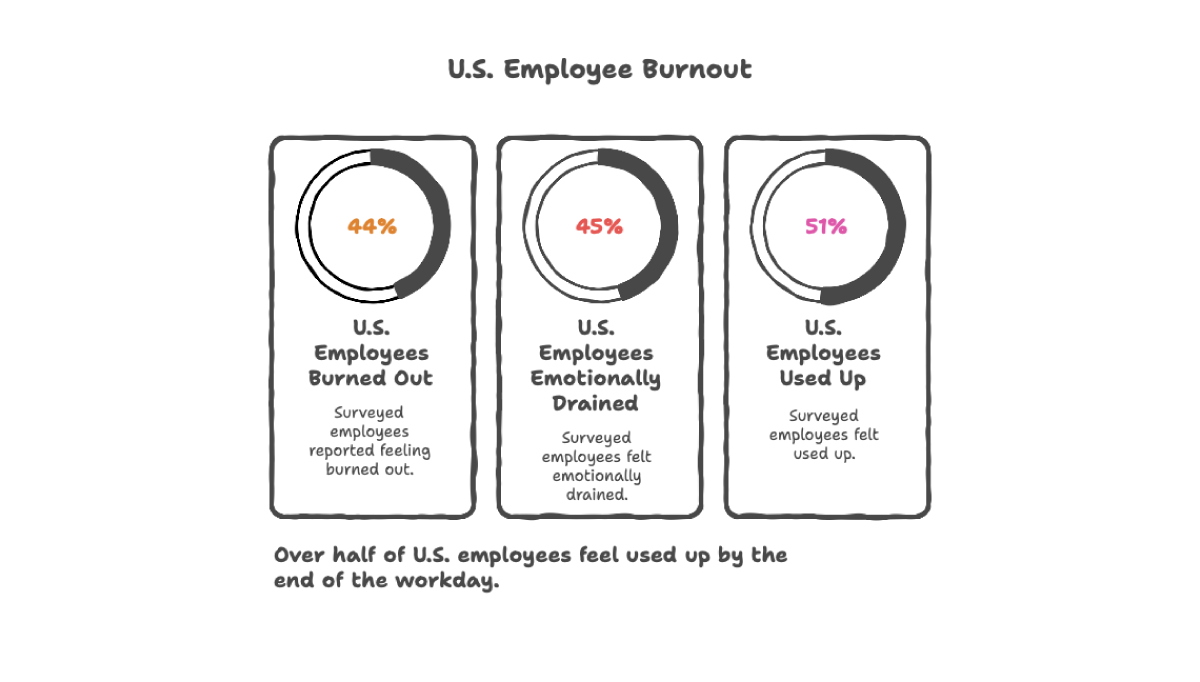
According to SHRM's 2024 Employee Mental Health Research Series, 44% of surveyed U.S. employees reported feeling burned out at work, 45% felt "emotionally drained," and 51% felt "used up" by the end of the workday. And even with companies investing in wellness programs, the numbers tell a different and far more alarming story.
Excessive workloads, unmanageable schedules, and inadequate staffing are consistently linked to higher rates of burnout across different sectors. These numbers are rising despite companies spending millions on wellness programs.
Burnout isn’t a mindfulness deficit; it’s a structural failure.
Why Aren't Workplace Wellness Programs Working?

The answer is simple. Most wellness programs target individual behavior because it’s cheaper and avoids confronting organizational issues. However, when it comes to tackling systemic issues that cause burnout, HRs keep mum.
HR departments may feel it's enough to offer wellness perks to employees. They offer perks like meditation sessions or wellness apps. But they continue to ignore the root causes of burnout:
-
poor management
-
unclear expectations
-
a culture in which speaking up feels risky
Suggested read: 13 Reasons Why Corporate Wellness Programs Fail & Ways to Avoid Them
The Big Loophole In A Wellness Program
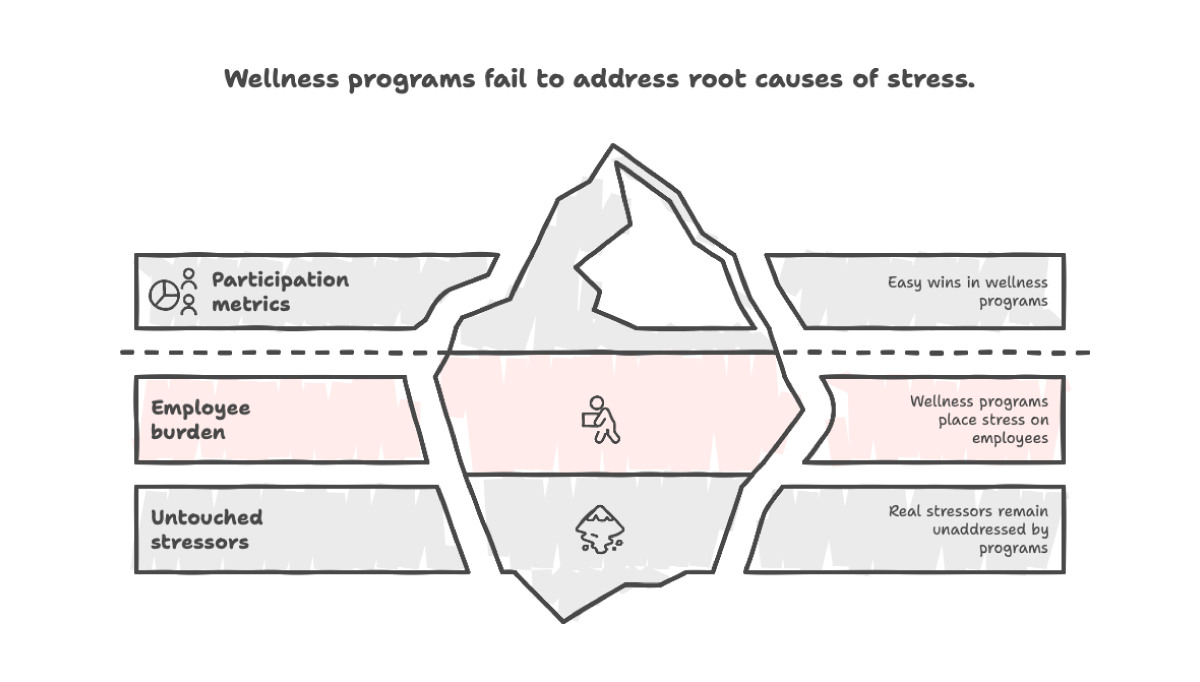
Wellness programs often place the burden of stress and burnout on employees, suggesting they should meditate or exercise their way out of stress.
Participation metrics improve because they’re easy wins. Actual well-being doesn’t, because the real stressors stay untouched.
What Can HR Do Differently?
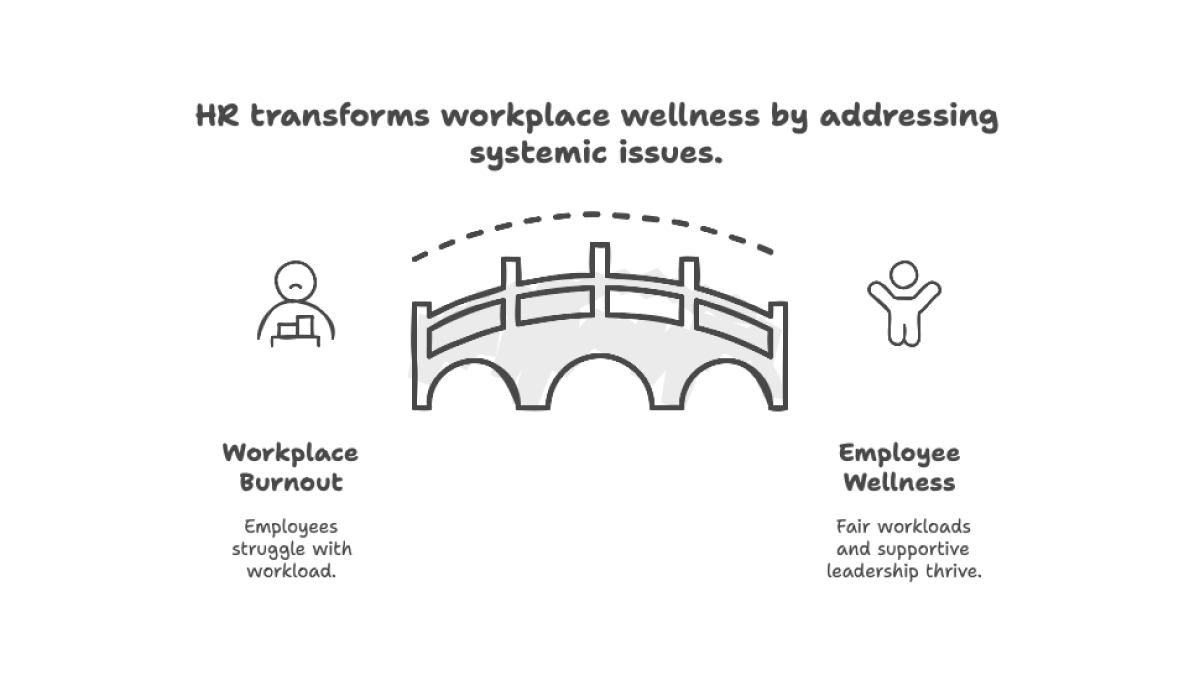
Workplace problems require systemic solutions. If HR wants to help employees thrive, their goal should be to offer individual fixes and address the root causes of burnout.
Real wellness means fair workloads, supportive leadership, and a culture where employees feel safe to speak up.
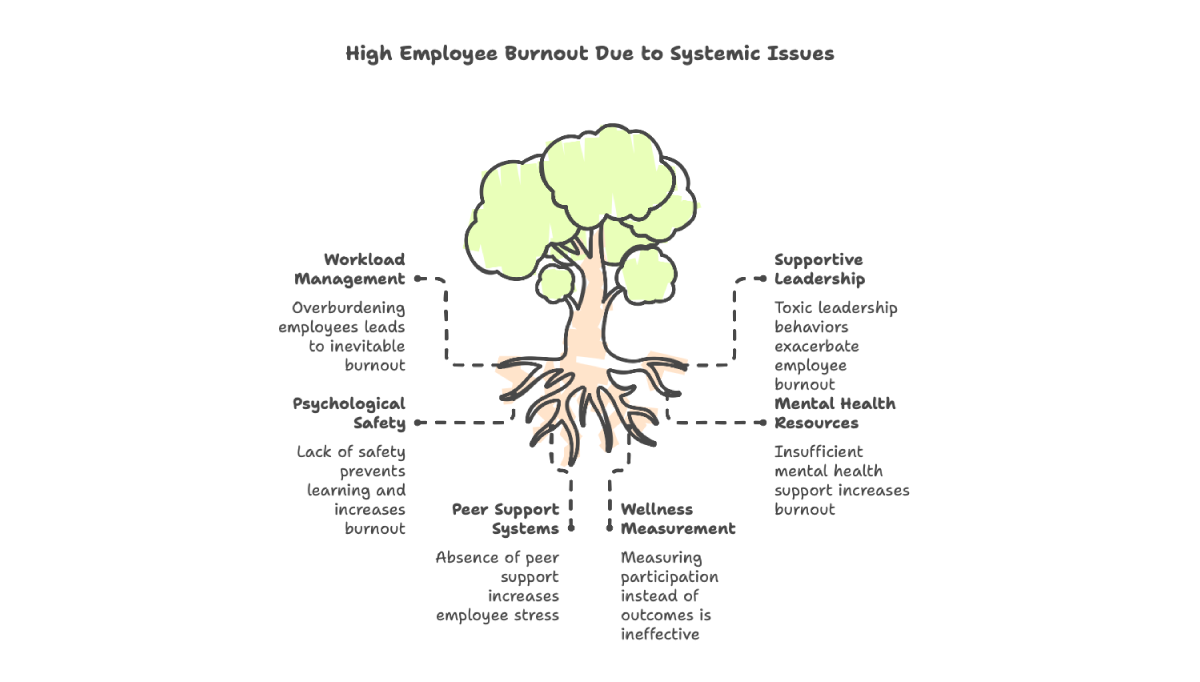
Here's how HR professionals can start creating meaningful change:
1. Address Workload Management
If HR doesn’t fix the workload design, everything else is cosmetic. Overburdening employees contributes directly to burnout. Setting clear expectations and making sure that employees have the resources and support they need is critical.
2. Promote Supportive Leadership
Leadership behavior sets the ceiling for well-being; if leaders model stress, silence, or inconsistency, no program will override it. Fostering a culture of empathy, transparency, and recognition is key to building a healthy work environment.
Toxic behaviors such as micromanagement or a lack of feedback only exacerbate burnout. HR should actively support leaders in developing these skills to create a more supportive environment.
3. Foster Psychological Safety
If employees don’t feel safe speaking up, the organization stops learning—and burnout becomes inevitable. HR should encourage open communication channels and feedback systems. Such an initiative makes employees feel heard and valued.
4. Incorporate Mental Health Resources Actively
While most wellness programs often focus on physical health, HR should consider promoting mental wellness equally. HR should provide access to mental health resources, therapy, and counseling, while destigmatizing the act of seeking help.
5. Implement Peer Support Systems
Peer support can be just as valuable as top-down support. HR can encourage peer-led initiatives. They can establish mentorship programs where employees help each other manage stress and share coping strategies.
6. Measure Wellness Beyond Participation
Wellness metrics should track outcomes—retention, workload intensity, psychological safety—not app downloads. Surveys, anonymous feedback, and focus groups can help HR identify any underlying issues and work toward solutions.
The Long-Term Impact Of Ignoring The Root Causes
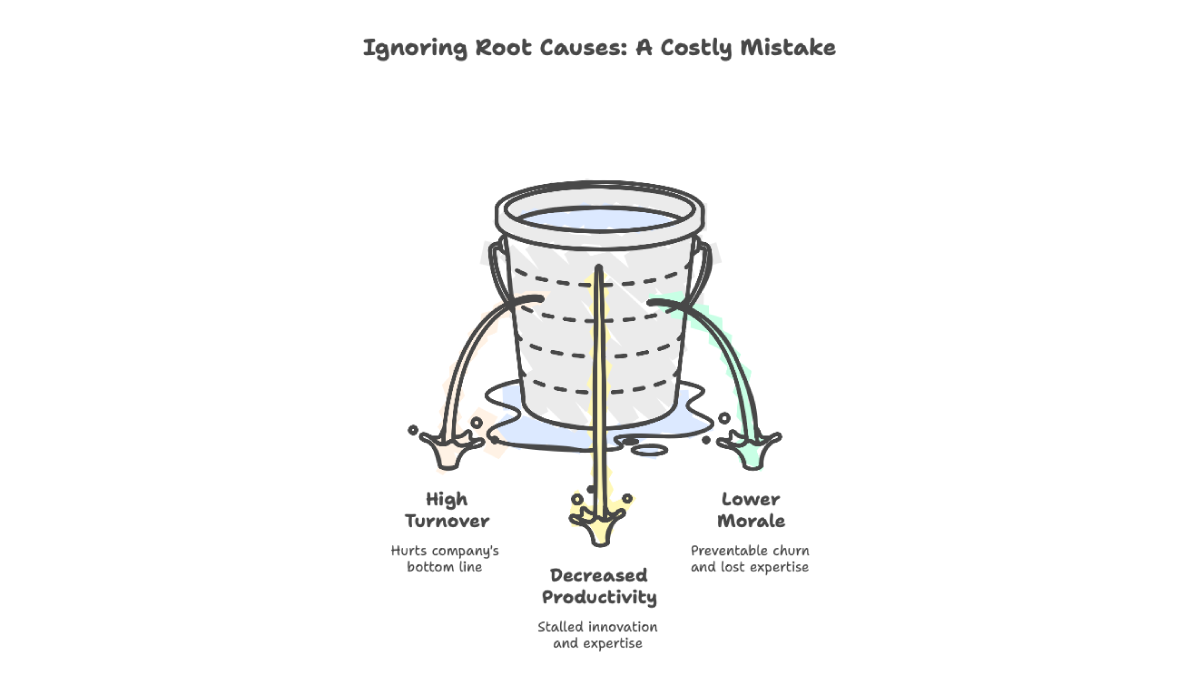
Ignoring systemic issues in the workplace isn't just damaging to employees' health. It's also detrimental to business performance. High turnover rates, decreased productivity, and lower morale are all consequences of burnout that can hurt a company's bottom line.
Burnout is an organizational tax which is paid in lost expertise, stalled innovation, and preventable churn. In the long run, failing to address the root causes of stress and burnout will cost companies far more than investing in sustainable, meaningful wellness programs.
Bottom Line: Time For A Systemic Shift
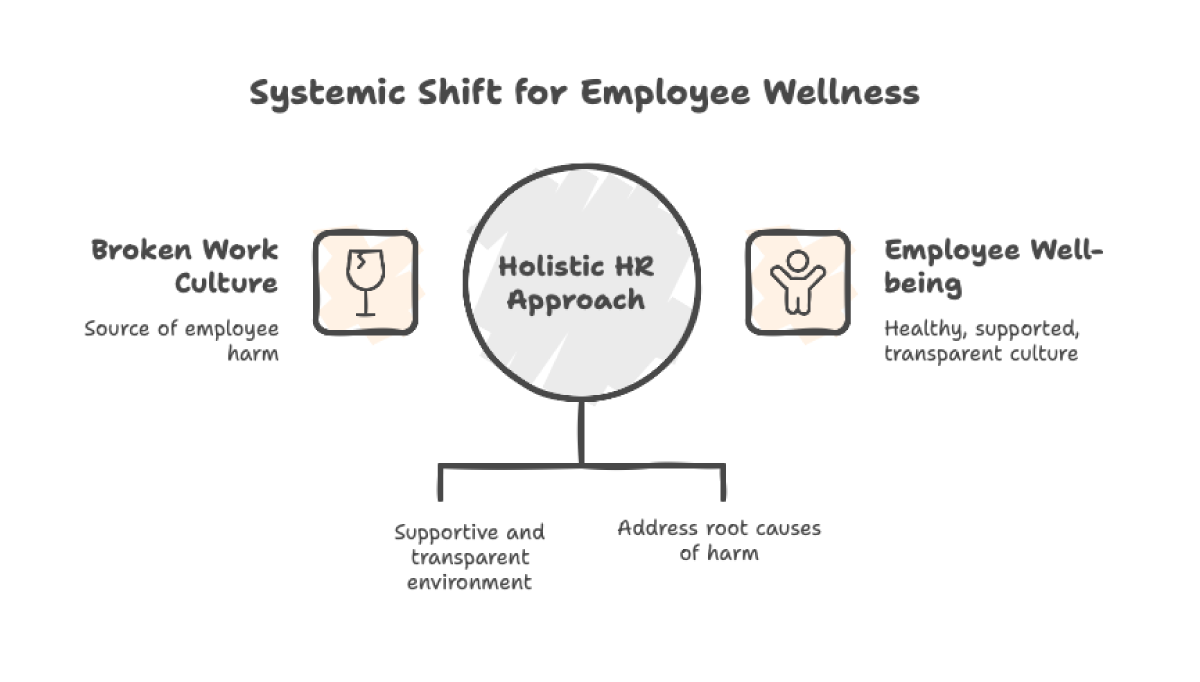
Wellness programs can only work when the culture itself isn’t the source of harm. No amount of yoga, meditation, or gratitude journaling can fix a broken work culture. It's time for HR professionals to push for real change and take a holistic approach to employee well-being.
The wellness of employees begins with a healthy, supportive, and transparent workplace culture. Until these systemic issues are fixed, employees will continue to pay the price, and so will the organization in the long term.