Life happens when you least expect it. Whether it's an unexpected medical bill, a car repair, or a sudden job loss, these surprises can throw us off balance. That's where an emergency fund comes in. It's your financial safety net to help you handle life's unexpected challenges without the stress of going into debt.
Let's take a look at why an emergency fund is so important, how to build it, and where to keep it, no matter where you're from.
Understanding Emergency Funds

An emergency fund is exactly what it sounds like: money set aside for emergencies. It's your cushion for those "just in case" moments that life throws your way. The goal is to have enough money saved up, so you don't have to dip into long-term savings or rely on credit cards when things go wrong.
It's a good idea to aim for saving enough to cover three to six months' worth of living expenses. But don't worry if you can't hit that target right away. Start small and build your fund over time. Remember, a tiny bit helps.
Retirement Planning by Region
Retirement planning can vary a lot depending on where you live. Some regions have strong social safety nets, while others may leave you to plan and save on your own.
Here's a quick breakdown of what it might look like depending on where you are:
North America & Europe: Many countries have pension systems, but they might not be enough on their own. It's a good idea to save on top of your pension, like through employer-sponsored programs or private retirement plans.
Asia & Africa: In some regions, government retirement programs might not be sufficient, so it's essential to start saving early. Look for opportunities through your employer or personal savings.
Latin America: The availability of retirement benefits can vary, so it's essential to understand your country's social security programs and make up the difference through personal savings.
No matter where you live, the earlier you start saving, the more your money will grow over time. Compound interest is a powerful thing!
Where to Keep Your Emergency Fund
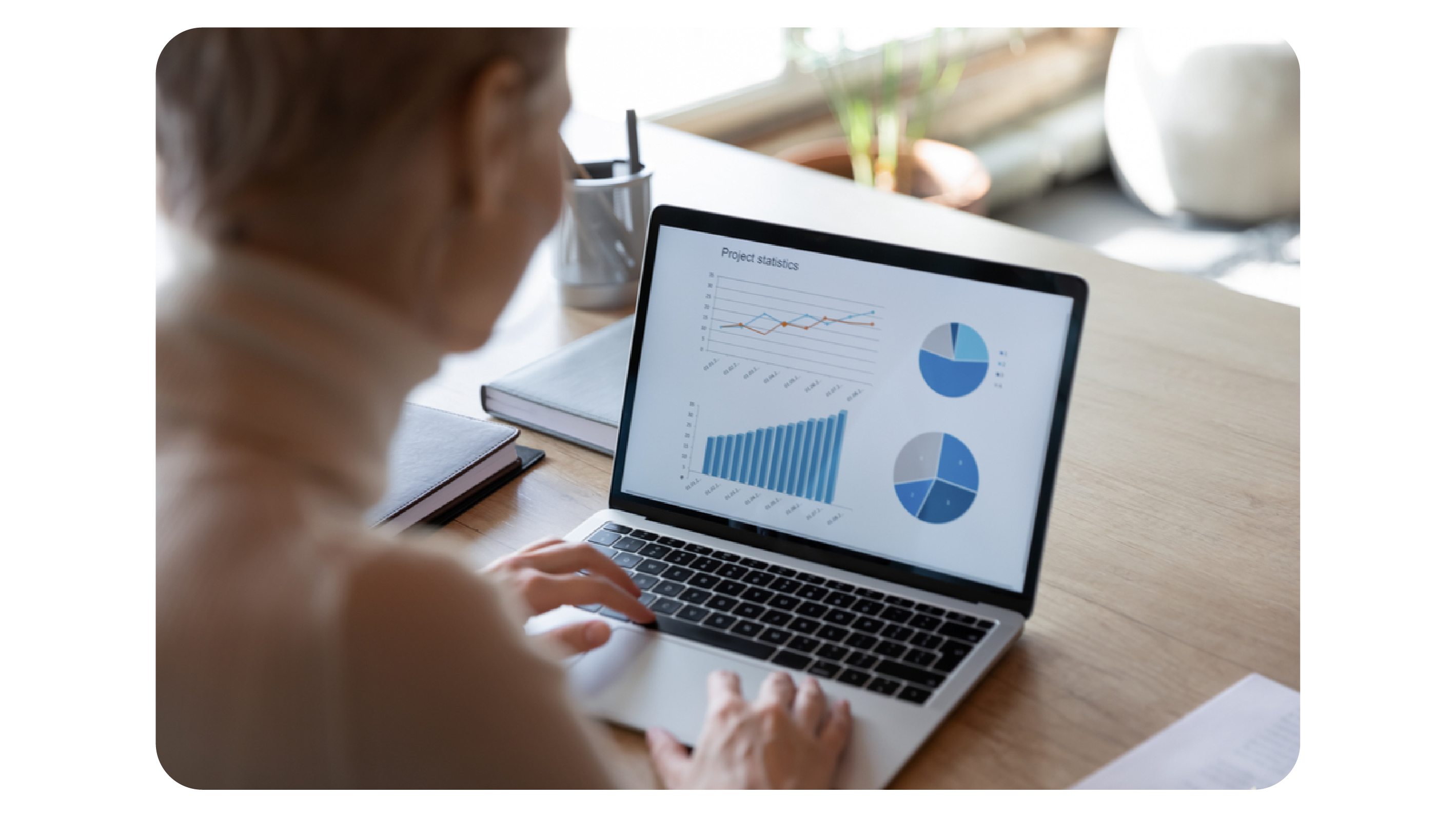
It's not just about how much you save, it's also about where you keep it. You want your emergency fund to be easy to access, but not so easy that you're tempted to spend it on things that aren't emergencies.
Here are a few great options:
High-Interest Savings Accounts: These are perfect for emergency funds because they're easy to access, and you can earn a bit of interest while you're not using them. Look for accounts with a higher interest rate to help your savings grow over time.
Money Market Accounts: It is similar to savings accounts, but with a higher interest rate. Just be aware of any minimum balance requirements or fees that might apply.
Short-Term Bonds or CDs: If you're okay with locking your money away for a while, certificates of deposit (CDs) or short-term bonds are a good option. They often offer a higher interest rate, but you'll face penalties if you withdraw the money too soon.
Building Your Fund Step by Step

Building your emergency fund doesn't need to be overwhelming. Here's a simple, step-by-step guide to help you get started:
Set a Goal: Start by figuring out how much you need. Aim for at least one month of living expenses as a start, then build from there.
Create a Budget: Look at your monthly expenses and find areas where you can cut back. You don't need to make drastic changes; small tweaks like cutting back on takeout or subscriptions can add up.
Automate Savings: Make saving easy by setting up automatic transfers into your emergency fund. Even small, regular contributions will help you build your fund faster than you think.
Track Your Progress: Celebrate small wins along the way. Each time you reach a milestone, you're one step closer to your goal. Keep going!
Stay Committed: Life will try to throw distractions your way. Keep focused on your goal and remember that your emergency fund is there to protect your financial future.
Your emergency fund is a financial safety net, protecting you from unexpected events without relying on debt. Aim to save three to six months' worth of living expenses, but don't feel pressured to do it all at once. Start small and build up over time.