Turning Debt from Enemy to Ally
Not all debt is created equal. While the word "debt" might make you uncomfortable, understanding the difference between good and bad debt can transform your financial trajectory.
Smart debt management isn't about avoiding all debt; it's about using debt strategically while building a credit profile that opens doors to better opportunities.
Good Debt vs. Bad Debt: The Critical Distinction
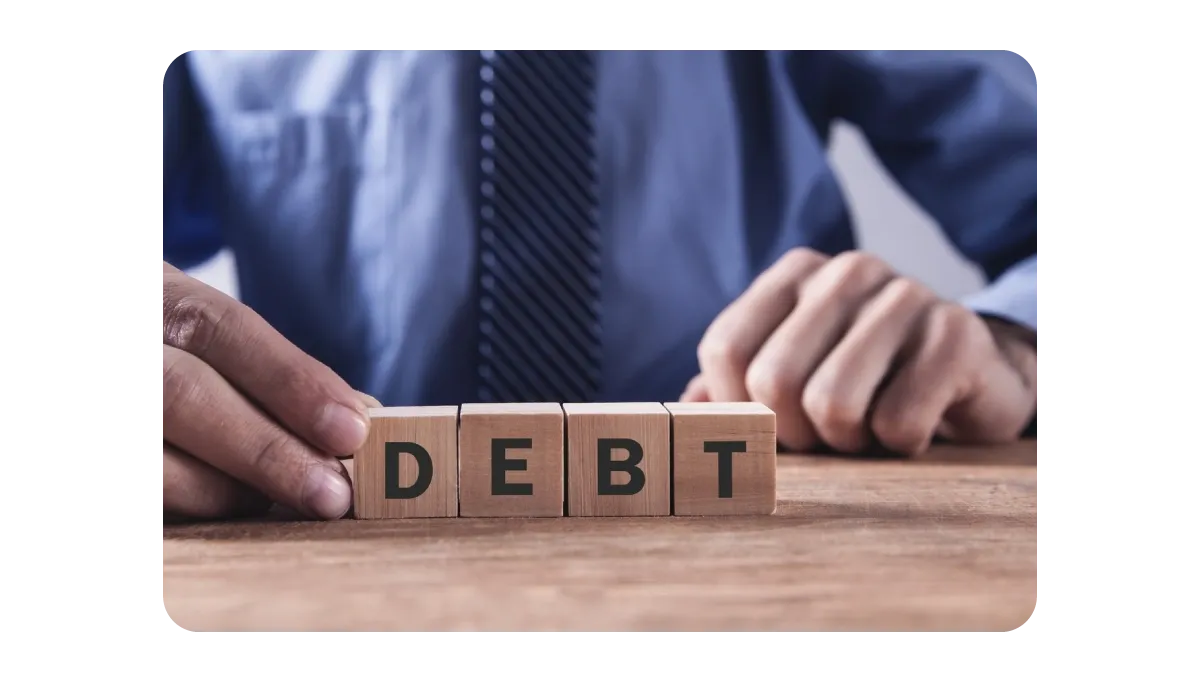
Good debt helps you build wealth or increase your earning potential over time. Here are some examples for your better understanding:
Mortgages: Real estate typically appreciates, and mortgage payments build equity.
Education loans: Higher education often leads to increased earning potential
Business loans: Investments in income-generating assets or businesses
Bad debt are the debts that costs you money without providing long-term benefits. Here are some examples of bad debts:
Credit card debt: credit card debts for consumer purchases have high interest rates. It makes everything more expensive.
Auto loans: these are the loans you take for expensive cars beyond your needs. Cars depreciate rapidly, making it a bad debt.
Personal loans: Loans that you take for vacations, wedding or luxury items don't improve your financial position.
The key difference? Good debt should ideally have tax benefits, relatively low interest rates, and help increase your net worth over time.
Building and Improving Your Credit Score

Your credit score is like your financial reputation, it follows you everywhere and affects your access to loans, apartments, and sometimes even jobs. While credit systems vary by country, the principles remain consistent worldwide.
Understanding credit scores: Most systems range from poor (300-579) to excellent (740-850). Your score depends on payment history (35%), credit utilization (30%), length of credit history (15%), types of credit (10%), and new credit inquiries (10%).
Pay on time, every time: Set up automatic payments for at least the minimum amount. Even one late payment can significantly impact your score.
Keep balances low: Use less than 30% of available credit limits, ideally under 10%. If your credit limit is $1000, keep balances under $300.
Don't close old accounts: Length of credit history matters. Keep old accounts open even if you don't use them regularly.
Monitor regularly: Check your credit report annually for errors. Many countries offer free credit reports, take advantage of this service.
Practical Debt Repayment Strategies
1. The Debt Avalanche Method
Pay minimums on all debts, then put extra money toward the highest interest rate debt first. This saves the most money mathematically.
2. The Debt Snowball Method
Pay minimums on all debts, then focus extra payments on the smallest balance first. This provides psychological wins and momentum.
Choose the method that matches your personality. If you need motivation, try the snowball. If you're disciplined and want to save money, use the avalanche.
Creating Your Debt Elimination Plan
List all debts: Include balances, interest rates, and minimum payments
Choose your strategy: Avalanche or snowball method
Find extra money: Review your budget for additional payment amounts
Automate payments: Set up automatic payments to avoid late fees
Track progress: Celebrate milestones to maintain motivation
Avoiding Debt Traps
Credit card traps: Paying only minimums keeps you in debt for decades. A $2000 balance at 18% interest takes 11 years to pay off with minimum payments alone.
Payday loans and cash advances: These often carry extremely high interest rates and fees. Explore alternatives like personal loans from banks or credit unions.
Co-signing: Only co-sign loans if you can afford the full payment. You're equally responsible for the debt.
New credit during debt repayment: Avoid taking on new debt while paying off existing obligations, unless it's strategic debt consolidation at lower rates.
Building Long-term Credit Health
Think of credit building as a marathon, not a sprint. Consistent, responsible behavior over time creates the strongest credit profile. Use credit cards for convenience and rewards but pay balances in full monthly. This strategy builds credit history without paying interest.
Consider diversifying your credit types over time, a mix of credit cards, installment loans, and mortgages can strengthen your profile when managed responsibly.
Remember, the goal isn't to avoid debt forever. It's to use debt strategically while maintaining a strong credit foundation that supports your long-term financial goals.