Ever wonder why some people breeze through their fitness challenges while others struggle from the start? The secret isn't necessarily superior fitness; it's often superior timing. Understanding when to eat before your fitness challenge can make the difference between feeling energized and feeling sluggish.
When you eat can be just as important as what you eat, and mastering this timing game can transform your entire challenge experience. The timing of your meals and snacks plays a crucial role in how your body performs and recovers during physical activity.
1. The 4-Hour Window
Suppose your challenge begins in the morning, plan to have your main pre-event meal 3-4 hours before the start. This timing allows your body to digest the food properly while still providing energy when you need it most. A breakfast featuring oatmeal with sliced banana, a tablespoon of almond butter, and a cup of coffee can provide the perfect combination of carbohydrates, healthy fats, and a mild caffeine boost.
Your body needs time to convert food into usable energy. 4 hours is the sweet spot where your stomach is empty enough to avoid discomfort, but your energy stores are fully stocked.
2. The 2-Hour Strategy
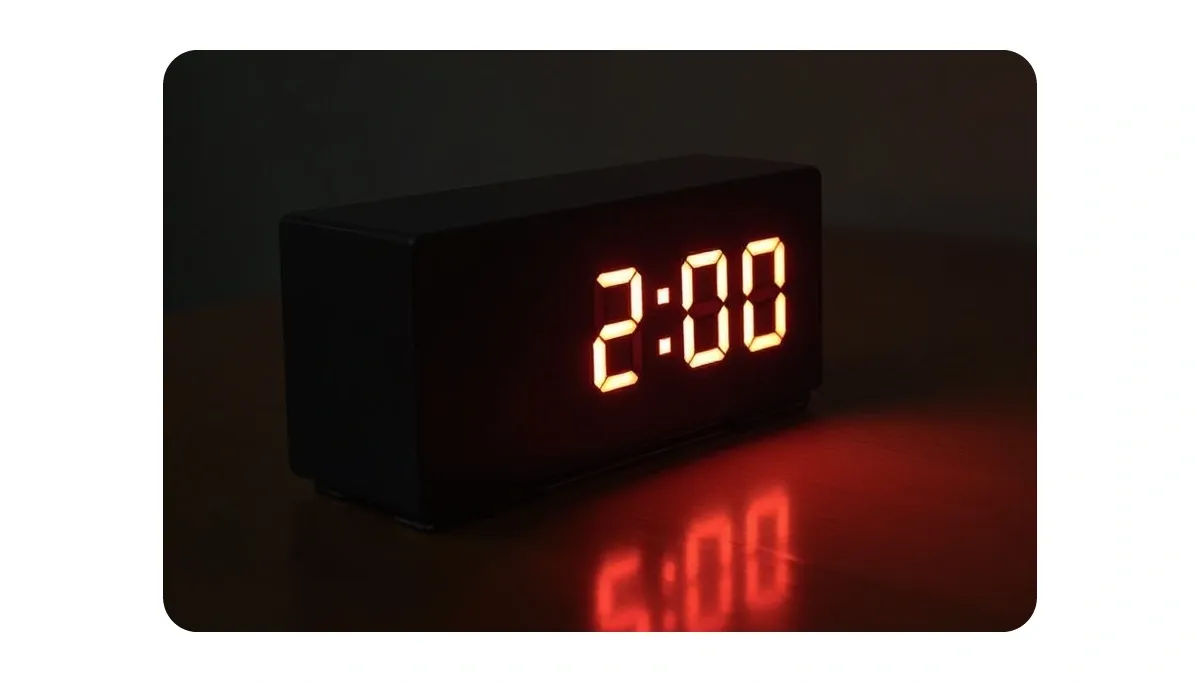
For those who prefer eating closer to their event, the 2-hour window works well with lighter options. Consider whole-grain toast with honey, a small smoothie with fruit and yogurt, or a banana with a small handful of nuts. These options provide quick energy without overwhelming your digestive system.
Prepare your 2-hour meal the night before. Pre-make smoothie ingredients in freezer bags or have your toast and toppings ready to go. Morning stress is the enemy of good performance.
3. Understanding Your Body's Rhythm

Pay attention to how your body responds to different foods at various times. Some people perform better with a heartier meal well in advance, while others prefer lighter options closer to their start time. There's no universal approach – what matters is finding what works for your unique physiology.
During your training, experiment with different meal timings to find what works best for you. Try eating 4 hours before one workout, 2 hours before another, and 1 hour before a third. Keep notes about how you feel during each session. Your body will tell you what it prefers.
4. The Caffeine Consideration
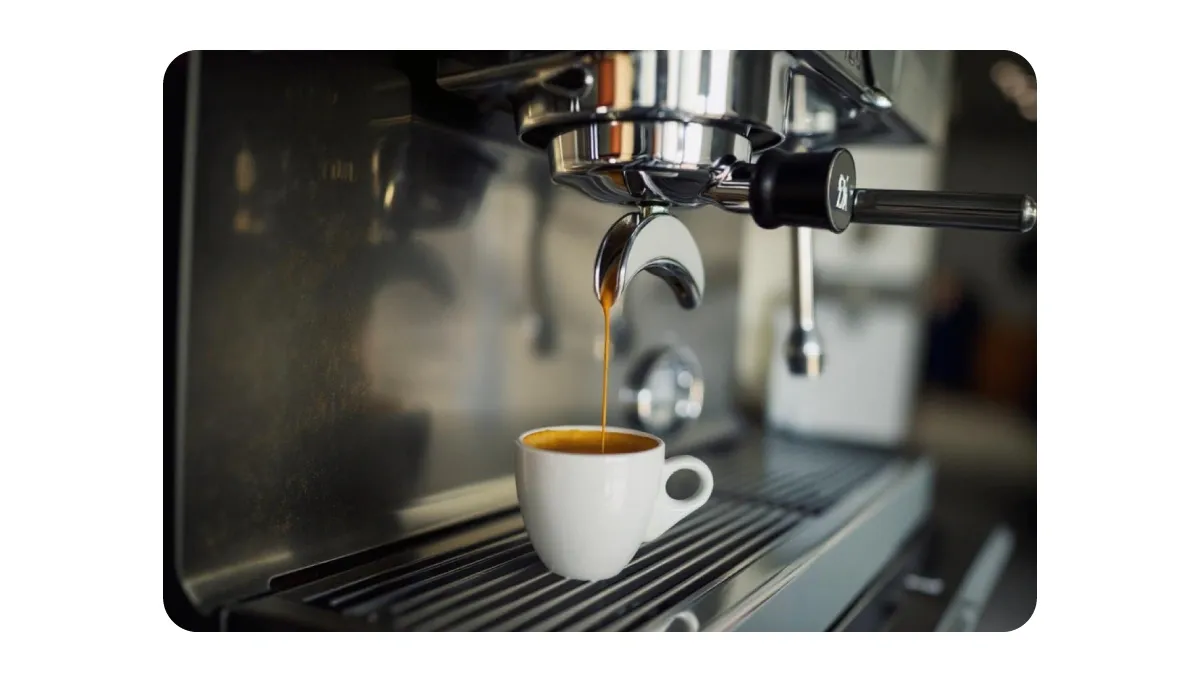
If you're a regular coffee drinker, maintain your normal routine. However, if you don't typically consume caffeine, your challenge day isn't the time to start. Caffeine may boost alertness and reduce perceived exertion for some but can cause jitters or digestive issues for others.
Have your coffee with your main meal (4 hours out) rather than right before your challenge. This gives you the alertness boost without the potential for stomach upset during your event.
5. Carbohydrate Loading Simplified
For longer challenges, such as marathons or cycling events, consider a modified carbohydrate-loading approach. This doesn’t mean eating massive amounts of pasta, but rather ensuring 60-70% of your calories come from healthy carbohydrates during the 2-3 days prior to your event. This helps maximize your muscle glycogen stores.
6. Pre-Challenge Snack Options
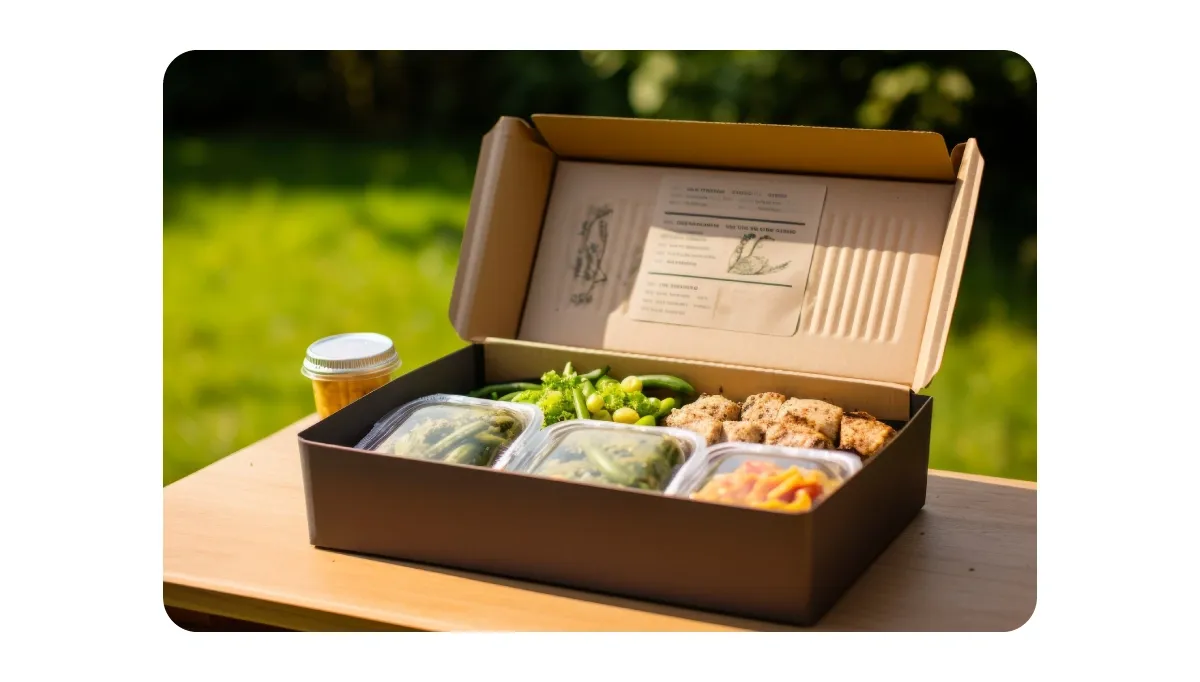
If you need a small energy boost 30-60 minutes before your challenge, stick to easily digestible carbohydrates. Half a banana, a few dates, or a small energy bar can provide quick fuel without causing digestive issues. Avoid anything high in fat, fiber, or protein during this window.
7. Practice Makes Perfect

The most important advice for pre-challenge nutrition is to practice during your training. Try different meal timings and food combinations during your preparation workouts to determine what works best for you in terms of energy and comfort. This experimentation phase is crucial for building confidence in your nutrition strategy.
When you've practiced your meal timing and know what works for your body, you approach your challenge with unshakeable confidence. You're not wondering if you ate too much, too little, or at the wrong time. You know your system, trust your preparation, and can focus entirely on performing your best.
Your challenge success starts with your first bite.
Remember, the goal of pre-challenge nutrition isn't to work miracles, it's to ensure your body has the necessary fuel to perform at its best. Keep it simple, stick to familiar foods, and trust in the preparation you've done during your training period.