Budgeting Revolution: From Spreadsheets to Smart Apps
The digital age has transformed how we manage money, making budgeting more accessible, accurate, and automated than ever before. Whether you're using a smartphone in Mumbai or a laptop in Mexico City, digital tools can simplify your financial management and help you stay on track with your goals.
Budgeting Fundamentals That Never Change
Despite technological advances, successful budgeting still relies on timeless principles that work regardless of the tools you use.
1. Know your true income
This isn't just your salary, it's your take-home pay after taxes, insurance, retirement contributions, and other deductions. In countries with complex tax systems or variable income (freelancers, commission-based workers), tracking actual received income becomes even more critical.
2. Understand the difference between needs and wants
This distinction varies by culture and personal circumstances, but the principle remains universal. Housing, utilities, basic food, transportation, and minimum debt payments are needs. Everything else, regardless of how much you desire it, falls into the wants category.
3. Follow the money trail
Every currency unit should have a purpose. Whether you're tracking dollars, euros, rupees, or yen, the goal is ensuring your money aligns with your priorities rather than disappearing into unknown expenses.
The Evolution of Budgeting Methods
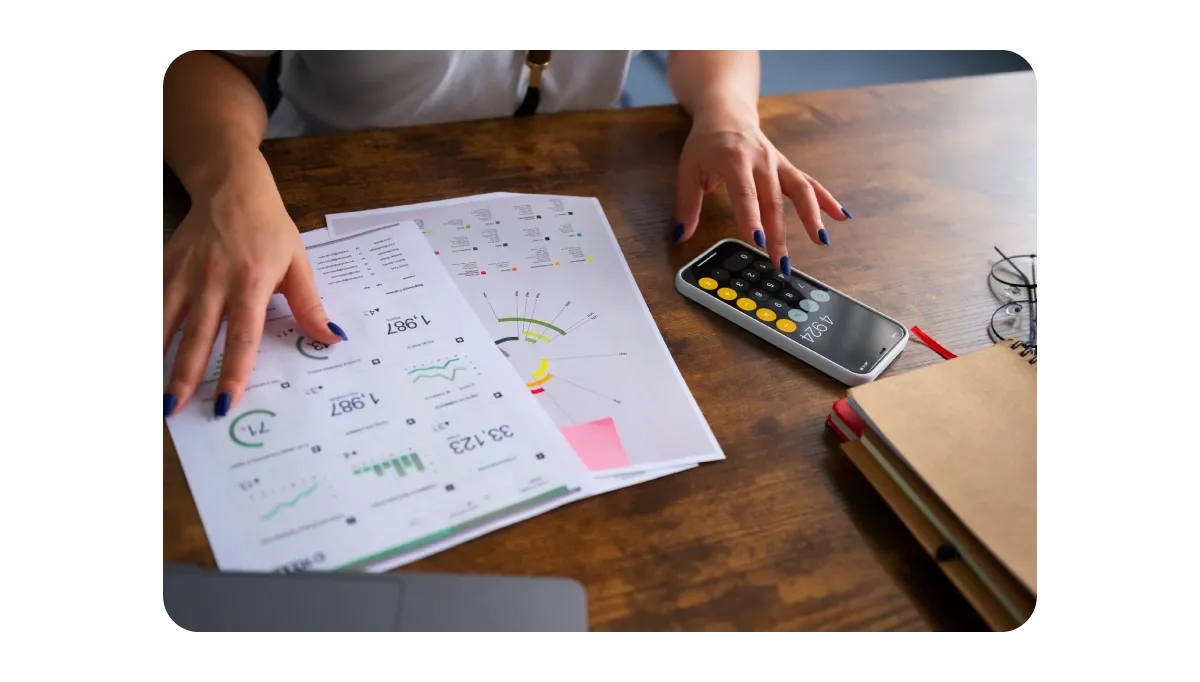
Traditional methods that still work:
Envelope method: Allocate cash for different spending categories. When the envelope is empty, spending stops. This works exceptionally well for those who struggle with overspending.
50/30/20 rule: A simple framework that adapts to any income level or currency.
Zero-based budgeting: Every unit of income is assigned a specific purpose, ensuring no money sits idle without intention.
Modern digital adaptations:
Automated categorization: Apps can automatically sort expenses into categories, saving hours of manual work.
Real-time alerts: Get notifications when you're approaching spending limits.
Goal tracking: Visual progress indicators keep you motivated toward financial targets.
Digital Budgeting Tools and Apps
The best kind of tool that you need to keep yourself ahead in today’s economy is getting yourself equipped with a digital platform that has an All-in-one budgeting app. These provide comprehensive financial management in one platform. Here are some of the popular options:-
YNAB (You Need a Budget): Focuses on giving every dollar a job before you spend it
Mint: Free comprehensive tracking with automatic categorization (primarily US-focused)
PocketGuard: Prevents overspending by showing how much you can safely spend after bills and goals
Regional and specialized tools:
Europe: MoneyLover, Spendee, or local banking apps with budgeting features
Asia: Money Manager, AndroMoney, or integrated banking solutions
Global: Many international banks now offer sophisticated budgeting tools within their mobile apps
For those who prefer more control, tools like Google Sheets or Excel remain powerful options. Templates are available for every budgeting method, and cloud storage ensures access from any device.
Tracking Expenses Effectively in the Digital Age
1. Automatic tracking advantages
Bank integration: Many apps connect directly to your accounts, automatically importing transactions.
Categorization: Advanced apps learn your spending patterns and categorize expenses accurately.
Multiple account consolidation: See all accounts in one place, regardless of which bank or country they're in.
2. Manual tracking benefits
Increased awareness: Manually entering expenses makes you more conscious of spending
Privacy protection: No need to share banking credentials with third-party apps
Flexibility: Customize categories and tracking methods to match your specific needs
Many successful budgeters use automatic tracking for routine expenses while manually tracking cash purchases and variable income.
Smart Expense Tracking Techniques
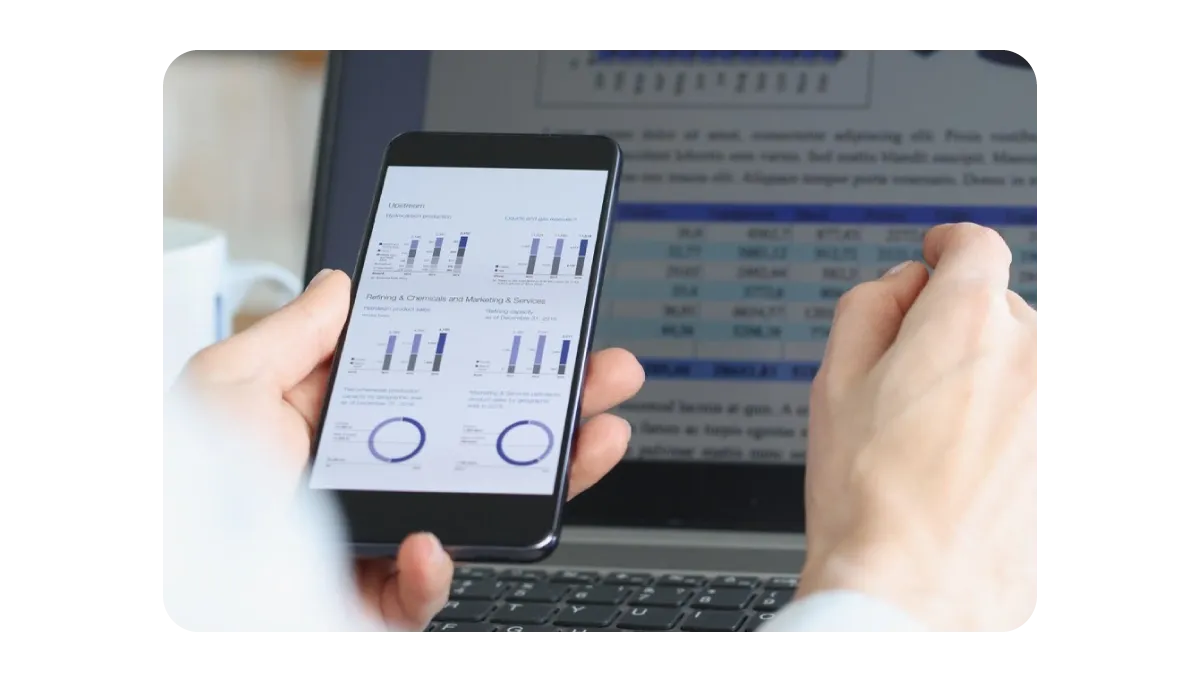
Photo receipts: Use smartphone cameras to capture receipts immediately. Many apps can extract expense details automatically from receipt photos.
Weekly reviews: Spend 15 minutes weekly reviewing expenses and adjusting categories as needed. This keeps you connected to your spending patterns without creating daily stress.
Merchant insights: Track which stores or categories consistently bust your budget. You might discover that convenience stores or food delivery services are silently draining your finances.
Currency conversion tracking: For expatriates or frequent travelers, use apps that handle multiple currencies and provide accurate conversion rates for expense tracking.
Common Budgeting Pitfalls and Digital Solutions
1. Over-categorizing expenses Solution
Start with broad categories (Housing, Transportation, Food, Entertainment) and subdivide only if needed. Too many categories create complexity without adding value.
2. Perfectionism paralysis Solution
Use the 80/20 rule. Tracking 80% of expenses accurately is better than not budgeting at all. Digital tools make this easier with automatic categorization.
3. Ignoring irregular expenses Solution
Use apps that help you save for irregular expenses like annual insurance payments, holiday gifts, or vehicle maintenance. Set aside money monthly for these predictable but infrequent costs.
4. Not adjusting for life changes Solution
Digital budgets can be updated instantly. When income changes, life circumstances shift, or priorities evolve, adjust your budget immediately rather than abandoning it entirely.
Making Technology Work for Your Culture and Lifestyle
1. Local payment methods
Ensure your chosen tools accommodate local payment methods. Whether that's cash-heavy societies, mobile money systems, or regional banking structures.
2. Language and currency support
Choose tools that display information in your preferred language and primary currency, with conversion features for international transactions.
3. Privacy considerations
Understand data sharing policies, especially important in regions with strict financial privacy laws or where banking security is a primary concern.
4. Offline functionality
Some apps work without constant internet connectivity, important for areas with unreliable internet or for those who want to control data usage.
Building Sustainable Digital Budgeting Habits
Start simple: Begin with basic income and expense tracking before adding complex features like investment tracking or bill prediction.
Set up automation gradually: Automate one aspect of budgeting at a time. First automatic categorization, then bill reminders, then savings transfers.
Regular app maintenance: Update transaction categories, delete unused accounts, and review privacy settings quarterly.
Backup important data: Whether using apps or spreadsheets, ensure your financial data is backed up securely.
The goal isn't to find the perfect budgeting tool. It's to find the one you'll actually use consistently. The best budgeting system is the one that fits seamlessly into your daily routine while providing the insights you need to make better financial decisions.