Chronic illness in the workplace refers to employees managing long-term conditions such as diabetes, heart disease, or depression while they work. Employers support them best with confidential conversations, flexible schedules, and wellness programs that make healthy habits easier. According to the CDC, three in four American adults have at least one chronic condition.
Chronic illness is common, and realistically speaking, a significant number of your workforce may be dealing with it. This makes it a core employee health issue and leads to a high healthcare cost burden on the organization.
According to the Integrated Benefits Institute, health-related productivity losses cost US employers $530 billion annually. Chronic health conditions negatively impact work productivity due to increased absenteeism, presenteeism, and sick leave.
The question here is, can you do something to support such employees and improve your ROI in the long term? Along with it, can you contribute in some manner to extend comfort to them on humanitarian grounds?
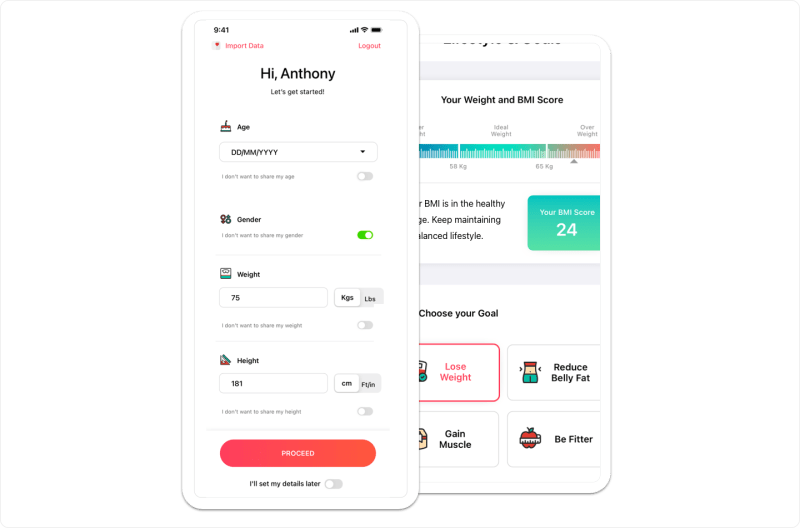
That is why many employers now look at health risks across the whole workforce instead of asking individuals to disclose. In Vantage Fit, for instance, employees answer a short health questionnaire in the app and get a private fitness score, while HR sees only how scores are spread across the workforce.
To help you out, I have curated this blog wherein you will get a gist of:
- What is a chronic illness?
- Challenges that such employees face in the workplace.
- Benefits of supporting employees with chronic diseases and more.
Key Takeaways
- Chronic illness is often invisible. Employees with conditions like diabetes or autoimmune disease can look healthy, so their struggles are easy for colleagues and managers to dismiss.
- Start with a confidential, open-ended conversation. Let the employee lead, and do not assume their limits before they share them.
- Adjust the work, not the person. Flexible hours, hybrid options, and extra sick leave help employees manage symptoms and stay productive.
- Support pays back. A 2018 Integrated Benefits Institute report put the cost of illness-related lost productivity to U.S. employers at $530 billion a year.
Chronic illness in a nutshell

The CDC defines a chronic disease as a condition that lasts one year or more and requires ongoing medical attention, limits daily activities, or both. Examples range from asthma and diabetes to heart disease, cancer, and rheumatoid arthritis.
Chronic illnesses often require ongoing management and may not have a definitive cure.
Employees with chronic illness may battle with a train of thoughts like:
- How do they sustain a job life while dealing with their health problems?
- How do they portray themselves as competent in management despite illness?
Needing more flexibility does not make such employees lazy or incompetent, even if they sometimes struggle to keep up with their job duties or to work full time like others.
Also, as an employer, it becomes questionable whether to assign them work equally as other employees. And should you ask them if they are doing okay or not?
There are a lot of gray areas on supporting employees with chronic illness in the workplace. Worry not; we’ll dive into the dos and don’ts of how to support them.
Common chronic illnesses also include type 2 diabetes, depression, irritable bowel syndrome, etc.
Diabetes: A closer look at one of the most common chronic illnesses at work
Diabetes is one of the most common chronic illnesses employers encounter, affecting an estimated 589 million adults worldwide in 2024, per the IDF Diabetes Atlas (11th edition). There are three main forms:
- Type 1 diabetes: an autoimmune condition where the pancreas stops producing insulin. It isn’t preventable and requires daily insulin management, and it’s primarily diagnosed in children, teens, and adults under 40.
- Type 2 diabetes: the most common form, where the body becomes insulin-resistant. It’s manageable through an active lifestyle, medication, or insulin therapy.
- Gestational diabetes: occurs during pregnancy and typically resolves after delivery, though it raises the mother’s future Type 2 risk.
The workplace impact is measurable. Per the American Diabetes Association’s Economic Costs of Diabetes in the U.S. in 2022 study, diabetes cost the U.S. $106.3 billion in indirect costs that year, including $35.8 billion in reduced productivity at work and $28.3 billion in reduced employment due to disability. A separate Slovenian study on sickness absence in diabetic employees found they average nearly double the sick days (31.71 vs. 16.57 days annually). An international consensus statement in The Lancet Diabetes & Endocrinology found that 4 in 5 adults with diabetes experience diabetes stigma, and 1 in 5 face discrimination, including in employment.
A few diabetes-specific ways to extend the support below:
- Biometric screenings: Offer biometric tests to help identify at-risk employees early.
- On-site diabetes-care access: Give blood sugar test kits, a private space to test, and safe food options for employees who need to monitor levels twice daily.
- Diabetes management programs: Offer structured, lifestyle-focused programs. A 2018 meta-analysis of 17 studies in the Journal of Occupational Health found that worksite dietary interventions modestly lowered HbA1c, a key measure of long-term blood sugar.
What are the challenges faced by employees with chronic illness?
When it comes to illness, especially severe ones, there is a social stigma related to it. Others tend to perceive such individuals differently as if they are weaker. Here are some more challenges that employees with chronic illness face:
1. They struggle to balance energy between work and health

Employees dealing with any chronic illness may find it challenging to keep a balance in maintaining their work life and their health crisis.
In a Harvard Business Review article on supporting employees with chronic illness, the authors describe how pushing too hard, or a meeting that runs too long, can leave someone without the energy to drive home or even communicate their needs clearly. Co-author Victoria Woolfrey lives with PNH, a rare, life-threatening blood and bone marrow disorder.
2. The struggle for not having a “sick look” always is real.
Chronic illnesses usually don’t appear on the surface. Such individuals may look fine or sometimes even healthy on the outside. This baffles the others into dismissing their health struggles.
This also makes colleagues and managers believe they can work as efficiently as others. But this shouldn’t be the case.
Also, employees with such illness may push themselves to perform well at work for some days and struggle to do the same the next day. This is because they are aware of how others perceive them. As a result, they may end up overworking, only to struggle more.
3. Dealing with their “inspiring journey” label can be suffocating sometimes.
People living their lives with chronic illnesses are often labeled as inspirational and brave. While it is an excellent way to motivate them to fight their demons, they may not always prefer to hear how well they are handling their chronic health condition.
It’s because the unwanted motivational boosts may only backfire upon them, making them overwhelmed unnecessarily.
4. They get generalized as incapable or less productive.

People tend to categorize such individuals as less productive easily. Well, yes, employees with chronic medical conditions may have more bad days than others. But they can still give their best at work and be productive.
How can employers support employees with chronic illnesses?

Chronic illness is itself a very sensitive topic, and it is trickier to extend support to employees dealing with it.
How do you support your employees without crossing boundaries? How do you increase their quality of life? Here are some pointers that you as an employer can follow:
1. Have an open conversation.

Striking a conversation is the first step in supporting employees dealing with chronic health conditions. Yet, you must be cautious and compassionate during the process.
Sharing one’s medical condition is personal, and one may feel vulnerable about sharing the details. So, approach them with empathy and try not to assume their challenges beforehand.
You can make it easier for your employees, in this case, by asking open-ended questions.
Here are 10 open-ended questions to inquire employees about their chronic illness (remember, confidentiality is key):
-
Can you tell me a bit about the chronic illness you manage? (This opens the door for them to share as much or as little as they feel comfortable with.)
-
Are there specific ways your illness impacts your work? (Focuses on work-related challenges.)
-
Do you have any existing accommodations in place that help you manage your illness at work? (Helps understand current support systems.)
-
Is there anything you think we could do to better support you in managing your illness while working here? (Empowers them to suggest improvements.)
-
On a good day, how does your illness affect your workload or schedule? On a bad day? (Provides a broader picture of their experience.)
-
Do you feel comfortable discussing your illness with colleagues? If not, why? (Opens a discussion about workplace culture and comfort levels.)
-
Are there any resources you’ve found helpful in managing your illness outside of work that you’d be willing to share? (Shows genuine interest in their well-being.)
-
Sometimes chronic illness can lead to mental health challenges. Do you feel comfortable discussing this aspect if it applies to you? (Approaches mental health in a sensitive way.)
-
Is there anything else you’d like me to know about your illness or how it affects you at work? (Gives them a final chance to share anything they haven’t mentioned.)
-
How can we ensure you feel comfortable talking to us about your illness in the future, should any needs arise? (Focuses on building an open and supportive environment.)
Maintain confidentiality throughout the conversation and let your employee lead the conversation once you open up the topic.
2. Tweak the job description if required.
Creating healthy work environment for them to contribute towards the organization is a great way to show support.
You can make necessary changes to the job roles of employees with chronic illness. For instance, you can offer them flexible work hours or maybe a hybrid work policy. Or maybe offer them additional sick leave to help them cope with their health problems and work dedicatedly.
Sarah Danzl, CMO of Skillable, argues that accommodations should not be treated as special favors:
"We just have to stop treating people that need a little bit of a different accommodation or need a little bit of extra support as different or as something to be ashamed of. It's not. The reality is you don't have to be neurodivergent or have a disability to need an accommodation."
– Sarah Danzl, CMO, Skillable | Listen to the full episode
Refer to the Americans with Disabilities Act (ADA) to create a better workplace for employees with any chronic illness.
3. Leverage a wellness platform.
Leveraging a wellness platform is a foolproof way to create a desirable work life for all employees, including those with any health troubles. Wellness platforms are designed to cater to an individual’s basic and special health requirements.
Such platforms are customizable and easy to track the participant’s progress in real time. They usually offer a wide variety of challenges that target all dimensions of wellness.
On this note, Vantage Fit is a wellness platform worth mentioning. From providing customized, incentivized wellness challenges to guided audio for calm and sleep, your employees will have it all.
Here’s one instance: Vantage Fit’s Health Risk Assessment tool lets employees complete a structured wellness questionnaire. This gives HR an aggregate view of how fitness scores are spread across the workforce, built from factors like blood pressure, cholesterol, smoking, and exercise habits, without showing anyone’s individual answers. As a result, HR can direct the support where it’s needed most.
Consistent activity can also show up in clinical numbers. Vantage Circle, the company that builds Vantage Fit, tracked 94 employees through annual health check-ups from 2023 to 2025, and 44 of them (about 47%) improved in at least one major health parameter, according to the Vantage Circle case study. Employees who averaged 6,000 to 8,500 steps a day improved in four or more parameters.
4. Manage your emotional response.
Learning that someone is struggling with health problems is one thing, but dealing with them daily in the workplace is tricky. You may feel overwhelmed after such individuals share their health struggles, or you may get confused about where to draw boundaries while assigning tasks.
In this case, managing your emotional response is the key to creating a better workplace for such employees. Take up courses on how to deal with your emotions while managing employees with chronic illness. Additionally, train the managers in all departments for the same purpose.
5. Consider the employees’ suggestions.
Listening to what your employees require to sustain and flourish in the work is essential. While you may do your own research to support them, hearing out what their challenges are at work is equally important.
6. Help chronically ill employees stay connected.
Make it possible for your employees to interact with others who are going through similar experiences. A peer support network can also be incredibly helpful for emotional well-being, practical advice, and belonging.
Benefits of supporting employees with chronic illness
1. Enhanced Employee Retention:
Supporting employees with chronic illness as an employer shows dedication to the workers’ well-being. This will increase employee loyalty and increase retention rates. It will also lower turnover costs related to recruiting and onboarding new staff.
2. Enhanced Productivity:

As you help meet the needs of workers with long-term diseases, you can assist them in better managing their symptoms and preserving their productivity at work.
3. Decreased Absenteeism:
Assisting workers with long-term diseases can help lower absenteeism associated with medical conditions.
4. Attracting Top Talent:

Companies that prioritize employee well-being, including support for those with chronic illnesses, are more attractive to potential employees. Offering comprehensive support programs can help employers stand out and attract top talent.
5. Positive Workplace Culture:
Fostering a workspace of inclusivity, empathy, and respect for employees with chronic illnesses can improve employee morale. It also contributes to a positive work environment as everyone feels valued and supported.
The Importance of manager and colleague support
Support from the manager and colleagues is crucial to creating a viable workplace for employees with chronic illness. Managers and colleagues spend a lot of time working together; empathizing and supporting such employees helps build a strong bond among all.
But it’s also essential to learn how to show support correctly. Otherwise, the effort will only fail and may create a negative situation for everyone.
Never share your personal experience trying to relate to employees with chronic illness. Be a listener for the moment and be empathetic.
Dr. Adeola Mead, a Naturopathic Physician and Director of VitaliTeam Workplace Wellness, offers a simple but powerful frame for what supporting employees with chronic illness actually looks like in practice:
"Leadership is a relationship. It means checking in, is this workload okay for you? How are things going? Do you need any help? … Sometimes we make it complicated … Well, a lot of times it's just a matter of asking, doing a survey, often a third party survey works best."
– Dr. Adeola Mead, Naturopathic Physician & Director, VitaliTeam Workplace Wellness | Listen to the full episode
Final words
Supporting employees with chronic illness is a moral obligation. And it is also a great way to develop a positive brand identity for your business. From introducing special policies to arranging support communities, you can significantly boost their quality of life.
However, effective support towards chronic illness in the workplace is more than just organizational policies. It also involves the empathy and understanding of managers and colleagues. Lastly, a compatible wellness platform is the ultimate key to it.
For that, exploring comprehensive wellness solutions for your organization and workforce is the way to go.
Frequently Asked Questions
What is considered a chronic illness?
The CDC defines a chronic disease as a condition that lasts one year or more and requires ongoing medical attention, limits daily activities, or both. Common examples include diabetes, heart disease, asthma, and cancer.
How do you deal with a chronically ill employee?
Start with a private, open-ended conversation and let the employee decide how much to share. Then agree on practical adjustments, such as flexible hours or remote work, and check in regularly, since needs can change.
Can a job fire you for a chronic illness?
In the U.S., the ADA bars employers with 15 or more employees from firing a qualified employee because of a disability, which can include a chronic illness. They must also provide reasonable accommodations unless it causes undue hardship.
Is it possible to work full time with a chronic illness?
Yes. Many people with chronic illnesses work full time, especially when employers offer flexible schedules, remote options, and time for medical appointments. Needs vary by condition and can change from day to day.
How does chronic illness affect productivity at work?
Chronic illness can bring fatigue, more sick days, and reduced output. Diabetes alone cost the U.S. $35.8 billion in reduced productivity at work in 2022, according to the American Diabetes Association.
How can managers support an employee with a chronic illness?
Listen without assuming what the employee can or cannot do, keep health details confidential, and focus on what helps them work well. Manager training and peer support networks also help employees feel less isolated.