Workplace Christmas stress is the surge of pressure employees feel in December, when year-end deadlines collide with holiday spending, family obligations and shorter, darker days. In a Workhuman survey of 3,000 employees in the US, UK and Ireland, one in three said the holiday season makes them more stressed.
For HR teams, the shift is hard to miss. Engagement dips, stress climbs, and employees who usually cope well start to feel overwhelmed. Because the pattern repeats every year, it can be planned for.
Planning ahead makes the season easier on everyone. In the sections that follow, you’ll see the main causes of Christmas stress at work, the warning signs to watch for, and an eight-step playbook for HR, including where a wellness platform like Vantage Fit fits in.
Key Takeaways
- Christmas stress at work comes from a predictable mix: year-end deadlines, holiday costs, family pressures, remote isolation, shorter days and grief.
- Money is the biggest strain, with 64% of employees in a Workhuman survey naming the financial burden of the holidays as a core stressor.
- About one in eight Americans does not celebrate Christmas, so inclusive, optional plans matter as much as festive ones.
- Warning signs include irritability, missed deadlines, withdrawal, skipped team events and last-minute time-off requests.
- HR can ease the pressure by trimming December workloads, limiting meetings, keeping celebrations optional and making support easy to find.
Why Do Employees Feel More Stressed at Work During Christmas?
Christmas introduces a mix of emotional, financial, and operational stressors that make December unlike any other month. While the season is marketed as joyful, many employees experience it as psychologically demanding.
Here are the most common Christmas-specific workplace stressors:
1. Year-end Workload & December Deadlines
Meeting year-end workload and deadlines is a common Christmas stressor across industries. December compresses two months of work into a shorter calendar window. Annual reports, final deliverables, client demands, quarterly targets, and holiday staffing issues collide at once. Even your top performers may feel cognitively overloaded.
Holiday parties add to the load. Held outside work hours, when people are already juggling personal holiday obligations, they can feel draining, and when they feel mandatory, they become one more source of stress.
2. Financial Pressure Linked to Christmas Spending
Let’s be honest: the holidays are expensive. In the Workhuman survey, 64% of employees named the financial burden of the holiday season as a core stressor.
Many count on their year-end bonus to cover the season, with 35% saying it will go toward gifts or travel. That kind of financial stress follows people to work and makes it harder to focus.
For most, the pressure comes from keeping up with seasonal expectations while staying financially stable.
3. Family Expectations + Christmas Social Obligations
It’s important to acknowledge that not everyone loves the holidays. Assuming universal joy during Christmas is like assuming everyone enjoys surprise parties. For some, the season can feel like a stressful time disguised as joy. Christmas parties, school programs, travel planning, and extended-family commitments all heighten emotional strain.
Here is why the season can feel heavy for some employees:
-
Loneliness hits harder: When everyone’s planning family gatherings and you’re eating takeout alone, isolation becomes magnified.
-
Grief intensifies: Family gatherings highlight empty chairs and the absence of voices.
-
Childhood trauma resurfaces: For employees coming from dysfunctional families, Christmas social obligations can trigger anxiety and painful memories.
4. Remote Workers Feel Isolated During Christmas

Remote workers can find the season especially hard. Gallup found that 45% of fully remote employees felt a lot of stress the previous day, compared with 39% of on-site workers, and they also report more loneliness (25% vs 16%).
Remote employees miss the office’s social touchpoints, so family events carry the whole weight of connection, and home becomes the place where work and holiday pressures collide. During the festive season, the line between personal space and work grows even thinner.
5. Seasonal Affective Disorder Intensifies Stress

Shorter days add another layer. About 5% of the US population experiences seasonal affective disorder (SAD) in a given year, according to the American Academy of Family Physicians, and winter is when it peaks.
The National Institute of Mental Health links winter SAD to lower serotonin and too much melatonin, with low vitamin D possibly adding to the problem. For those employees, the busiest season of the year arrives just as their energy runs lowest.
6. Grief and Emotional Triggers are Amplified During Christmas
Loss often feels sharper during the Christmas season. Employees who have lost a loved one this year may find December emotionally exhausting yet still feel pressure to mask their grief with festive cheer at work.

Exclusion is a quieter source of stress. “Merry Christmas” isn’t universal: about one in eight Americans does not celebrate Christmas, according to Gallup. Mandatory Christmas events or messages can leave employees from other cultural or religious backgrounds feeling left out.
Signs Your Employees Are Struggling With Christmas Stress
Here are common signs that HR should monitor to identify Christmas stress in employees:
-
Irritability or unusually short temper
-
Missed deadlines or accuracy issues
-
Withdrawal or reduced communication
-
Low participation in Christmas or team events
-
Burnout symptoms such as fatigue or overwhelm
-
Increased absenteeism or last-minute PTO requests
-
Emotional outbursts or heightened anxiety
-
An increase in conflicts or tension within teams
How Employers Can Support Employee Mental Health During Christmas
Suggesting simple solutions like “just have some eggnog and cheer up” isn’t a mental health strategy. For many employees, Christmas feels overwhelming. In a 2025 American Psychiatric Association poll, 41% of US adults expected more holiday stress than the year before, and 31% worried about being lonely.
Many employees also carry an existing condition: 23.1% of US adults lived with a mental illness in 2022, according to the National Institute of Mental Health. Combined with year-end deadlines and financial strain, that makes Christmas one of the most psychologically demanding periods of the year.
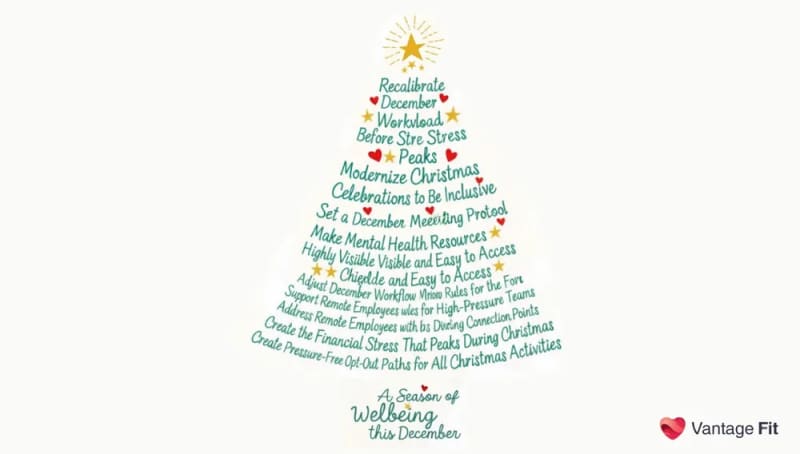
The good news? Employers can significantly reduce Christmas-related stress with intentional, tactical actions, not generic reminders to “take care of yourself.” Below is a Christmas-specific, solution-oriented playbook designed for HR leaders who want a healthier, more supported workforce in December.
1. Recalibrate December Workload Before Stress Peaks
Much of December’s pressure comes from festive obligations colliding with year-end work. In the Workhuman survey, 33% of employees reported a heavier workload over the holidays.
Employers can prevent December burnout by:
-
Freezing non-essential tasks after mid-December so teams can focus on priorities.
-
Publishing a clear “December Priority List” to avoid everything feeling urgent.
-
Temporarily redistributing workload from overwhelmed teams to support functions.
-
Coaching managers to anticipate scheduling conflicts for caregivers and parents.
These are not flexibility perks; they are strategic adjustments that prevent December from becoming a pressure cooker.
Check out our blog 12 Ways You Can Support Your Team’s Mental Health as a Manager
2. Set a December Meeting Protocol

Meetings multiply in December as teams rush to finalize projects. Without clear structure, meeting overload can become a key contributor to holiday burnout.
Create a dedicated December meeting protocol that includes:
-
Low-meeting or no-meeting days during peak weeks
-
30-minute maximum meeting lengths
-
Async status updates for non-critical work
-
Restrictions on cross-functional meetings in the last two weeks of December.
This small shift significantly reduces cognitive load when employees need mental space the most.
3. Modernize Christmas Celebrations to Be Inclusive and Low-Pressure
Traditional holiday parties assume everyone celebrates Christmas, enjoys loud social events, or feels emotionally ready for year-end festivities. This assumption is no longer appropriate.
Employers can modernize celebrations by offering:
-
Multiple participation paths, such as a traditional party, volunteer day, wellness session, or creative workshop (equal budget for each.)
-
Alcohol-free events, where mocktails and non-alcoholic options are equally highlighted.
-
Events during work hours, not evenings.
-
Inclusive language, such as “year-end celebration” or “if you celebrate Christmas.”
This ensures celebrations support connection rather than becoming another obligation.
4. Make Mental Health Resources Highly Visible and Easy to Access
Support only helps if people can find it. In a NAMI-Ipsos poll reported by SHRM, only 53% of employees knew how to access their mental health care benefits.
You can increase visibility by:
-
Sending weekly EAP reminders during December
-
Pinning support resources (hotlines, counselors, wellness portals) in Slack, Teams, and intranet banners
-
Sharing a “Holiday Mental Health Quick Guide” with clear steps for urgent support
-
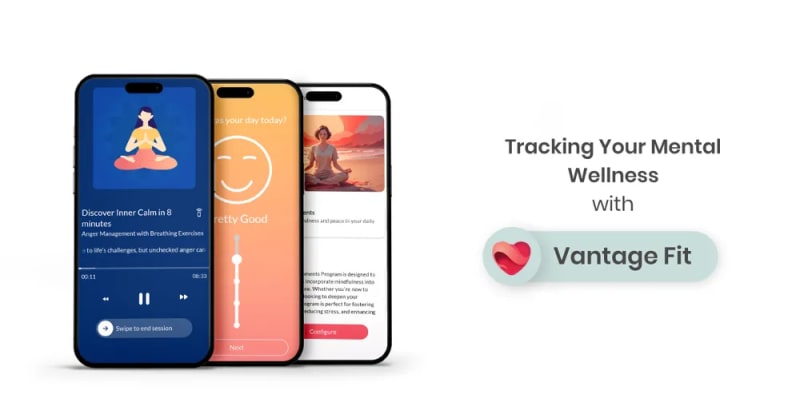
Offering quick resets between back-to-back meetings, such as short guided sessions from Vantage Fit’s Mindfulness library, which start at about 5 minutes.
Holiday stress often builds quietly, without obvious signs. Visibility ensures help reaches employees before they hit a breaking point.
Communication doesn't just foster awareness; it prevents December burnout from becoming January resignations.
Check out our blog Mental Health Stigma in the Workplace and How to Reduce It
5. Adjust December Workflow Rules for High-Pressure Teams
Some functions, such as finance, customer support, HR, and operations, experience disproportionate December pressure. Employers can stabilize these teams’ workload by:
-
Reducing approval bottlenecks (streamlined sign-offs for year-end tasks)
-
Offering micro-break allowances during peak days
-
Pausing non-critical reporting or check-ins until January
-
Allowing team-level redistribution of holiday-week workload
These adjustments help maintain productivity while prioritizing employee well-being.
6. Support Remote Employees with Christmas-Specific Connection Points
Remote employees often experience the strongest sense of isolation during Christmas, especially when office-based teams engage in visible celebrations.
Employers can support remote workers by:
-
Hosting optional virtual coworking sessions to recreate December togetherness.
-
Scheduling brief check-ins focused on holiday stress, not performance.
-
Offering small stipends for light therapy or comfort items like blankets or candles to combat darker winter days.
-
Providing asynchronous holiday participation options for employees who prefer quieter engagement.
These actions help remote employees feel included during the holidays while preventing them from feeling overwhelmed.
7. Address the Financial Stress That Peaks During Christmas

Holiday spending tops the list of Christmas stressors, so financial support goes a long way.
Employers can reduce financial anxiety by offering:
-
Early bonus distribution (November payout)
-
Interest-free salary advances to avoid predatory holiday loans
-
Brief budgeting tips shared through Slack or email
-
Transparent communication about all December–January payroll dates
Financial well-being is mental well-being, especially during Christmas.
You can't solve poverty with wellness apps, but you can prevent good employees from making desperate financial decisions.
8. Create Pressure-Free Opt-Out Paths for All Christmas Activities
Not everyone celebrates Christmas, and not everyone enjoys holiday events or feels comfortable participating. Some employees are grieving. Others feel excluded. Some simply prefer environments with minimal stress or noise.
HR should:
-
Make every holiday activity optional with no justification required
-
Offer quiet alternatives, such as wellness sessions or reflection spaces
-
Avoid mandatory gift exchanges that create financial pressure
-
Use inclusive language, such as “if you celebrate Christmas.”
Clear opt-out options ensure employees feel safe and respected during this emotionally intense season.
Summing It Up
Workplace Christmas stress isn’t just a seasonal inconvenience; it’s a predictable, annual pattern that impacts engagement, productivity, and emotional well-being.
When organizations respond with thoughtful planning, inclusive practices, workload adjustments, and intentional communication, they create a psychologically safe December that employees genuinely appreciate.
How HR supports employees during this emotionally charged month lays the foundation for a healthier, more supportive year ahead. A workplace that handles Christmas with empathy and structure earns trust that lasts far beyond the holidays.
Ready to go beyond the basics and address deeper wellness challenges? For comprehensive mental wellness strategies, check out our employer’s handbook to mental health in the workplace.
Frequently Asked Questions
Is Christmas stressful for employees?
Often, yes. A 2025 American Psychiatric Association poll found 41% of US adults bracing for a more stressful holiday season than the last, with grief (48%) and gift costs (46%) among their top worries.
How can HR help staff deal with stress at Christmas?
Trim December workloads, cap meetings, make celebrations optional and inclusive, remind staff how to reach the EAP, and ease holiday costs, for example with an earlier bonus payout.
How can employers support staff who don't celebrate Christmas?
Employers can offer inclusive, optional activities and ensure time-off policies and workplace communications respect diverse cultural and religious practices. Clear accommodation processes and sensitivity training also help foster belonging. Communicating these inclusivity efforts early ensures employees feel comfortable opting out when needed.
What should managers avoid doing during the Christmas period?
Managers should avoid assuming all employees celebrate Christmas or pressuring them to participate in holiday events. They should also ensure workloads and deadlines do not interfere with personal or religious observances.
What can companies do for employees working during Christmas week?
Companies can provide incentives such as premium pay, flexible scheduling, or additional time off to acknowledge the sacrifice of working during the holiday period. Visible appreciation and additional support resources also help maintain morale. Regular check-ins and a clear communication channel for support can help reduce stress.
Why is Christmas especially difficult for remote workers?
Remote workers may experience heightened isolation during a season that emphasizes social connection. Reduced interaction with colleagues and blurred work–life boundaries can amplify loneliness or stress. Employers can help by fostering virtual social opportunities and providing flexible work schedules.
What are some mental health games and activities for employees?
Short mindfulness sessions, gratitude challenges, virtual wellness quizzes, group journaling, and collaborative problem-solving games can support employee wellbeing. Activities should be simple, inclusive, and easy to join from any location. For more ideas, check out our blog on 10 Mental Health Games & Activities to Reduce Workplace Stress.