An employee mental health survey is an anonymous questionnaire about stress, workload, work-life balance and access to support that shows HR where help is needed. The need is wide: 23.1% of US adults lived with a mental illness in 2022, according to the National Institute of Mental Health.
Mental health still carries stigma at work, and many people keep their struggles to themselves. In the 2026 NAMI-Ipsos poll, only 39% of employees felt comfortable sharing about their mental health with HR, which is why an anonymous survey often hears what a meeting cannot.
A good survey starts with the right questions. What follows explains why these surveys matter, shares 50 questions grouped by theme, and covers the best ways to run one, including tools from Vantage Fit and Vantage Circle.
Key Takeaways
- Employee mental health surveys give HR an anonymous view of stress, workload and support needs that people rarely share face to face.
- Regular surveys help spot stressors early, guide where wellness budgets go and show employees that their wellbeing matters.
- Good questions cover general wellbeing, stress, the work environment, work-life balance, support, training and social media habits.
- Workplace surveys work best when they ask about experiences and support needs, since the ADA limits questions about an employee's diagnosis.
- Pulse tools, one-on-one conversations, validated scales such as the GAD-7 and EAP usage data each add a different view of team mental health.
Why Mental Health Surveys Matter?
An employee mental health survey is essential for gauging employee well-being and identifying improvement areas. Asking questions first is what makes a whole-person approach possible. Much like a visit to the doctor, understanding starts with a list of questions.
By creating a safe space for employees to express their concerns anonymously, leadership can gain valuable insight into potential mental health challenges.
Good survey questions come from compassion and care. By running these surveys:
-
Employers can gain valuable insights into their employees’ mental health and well-being.
-
Leaders can detect possible concerns and take steps to address them.
-
Companies can build healthier, more productive staff and better mental health programs among employees.
McKinsey & Company has studied employee mental health in depth. One McKinsey survey reveals a disconnect between how employers and employees see mental health support. Another McKinsey study on burnout in Asia shows how widespread burnout has become and argues that employers need to act.
The scale of the problem is large. One Mind, a brain health advocacy group, reports that 1 in 4 people worldwide will be affected by a brain health condition in their lifetime. Depression alone affects approximately 322 million people, or 5.2% of adults, according to the World Health Organization.
Surveys give employers the understanding they need to plan good mental health support and raise awareness. They also help organizations recognize when employees need more direct support, including the option of mental health days off work to recover and reset.
A survey questionnaire brings several other benefits too.
7 Benefits of a Mental Health Survey Questionnaire

According to the World Health Organization, 16% of working-age adults worldwide had a mental disorder in 2023. A mental health survey helps employers and employees alike, acting as a bridge that keeps the relationship healthy and mutually beneficial.
Here are seven significant advantages:
1. Improved Employee Well-being
Surveys help identify employees struggling and needing support. Early intervention can prevent mental health issues from escalating and improve overall employee well-being.
2. Helps Identify Stressors
Employers can identify specific stressors affecting their workers by asking the right questions. Depending on the nature of the stressor, organizations can tailor their support, drawing from evidence-based stress management activities for employees as practical starting points.
3. Reduced Absenteeism and Presenteeism
Employees who feel supported are less likely to miss work due to mental health concerns. Additionally, the ability to voice concerns can lead to increased engagement.
4. Enhanced Employee Engagement
Showing employees that you care about their mental health fosters trust and loyalty. Employers can also create a better work environment by knowing their employees’ mental health needs and concerns and designing policies that promote employee well-being, including stronger wellness leadership strategies from the top down.
5. Data-Driven Decision Making
Survey results provide valuable data to tailor employee wellness initiatives to address specific needs within the organization. Companies can use survey data to make informed decisions regarding workplace policies, benefits, and initiatives. Pairing these questions with a broader employee wellness survey framework helps ensure that resources are allocated where they are needed most.
6. Reduced Healthcare Costs
By promoting mental well-being and identifying potential issues early, organizations can potentially reduce healthcare costs associated with mental health conditions.
7. Improved Company Culture
A workplace that prioritizes employee mental health creates a more positive and supportive environment, which helps with hiring and retention. When employees feel supported and cared for by their employer, they are more likely to stay.
A 2022 Deloitte survey in India found that poor mental health costs Indian employers around US$14 billion a year, and 80% of the workforce reported mental health issues in the past year, as the Deccan Chronicle reported. Issues like these can contribute to absenteeism and hamper work productivity.
Surveys work best as a habit. Continuous listening turns a one-time snapshot into an ongoing understanding of workforce wellbeing, and Vantage Fit can add an anonymous eNPS-style survey after each challenge, so HR keeps hearing from employees between larger surveys and the conversation around mental health stays active all year.

When Brazosport Independent School District ran its two-week Fit Wars wellness campaign with Vantage Fit, its case study reported an average organizational mood score of 4, or “pretty nice.” Results like this show why it pays to keep asking employees how they feel.
50 Best Mental Health Survey Questions for Your Employees

Creating a safe and non-judgmental space for employees is essential to maximizing productivity and improving employee satisfaction. A mental health survey lets employees speak openly about their wellbeing and helps organizations spot potential issues across the workforce.
By asking about experiences, stress, mood and overall wellbeing, organizations can see where support is needed and offer the right resources. Tailor the questions to fit your organization’s culture, industry and workforce.
These 50 questions are grouped by theme, so you can use a full section or pick the ones that suit you.
General Well-being
-
How would you rate your overall well-being in the workplace?
-
Have you experienced any significant changes in your mental health while working here?
-
Do you feel the company supports and prioritizes your mental health?
-
Do you feel overwhelmed by your work?
-
Is the pay you’re receiving affecting your overall wellness?
-
Are you bored with your work?
Workplace Stress
-
On a scale of 1-10, how would you rate your overall stress level at work?
-
How often do you experience feelings of anxiety or burnout at work?
-
Do you feel comfortable taking breaks throughout the day?
-
To what extent do you feel supported by your manager and colleagues?
-
How satisfied are you with the resources available to you to manage stress?
-
Do you feel safe raising concerns or mistakes without negative consequences?
-
Is work-related stress interfering with your sleep cycle?
Mental health data are sensitive and personal. It is important to respect the privacy of a surveyee and keep the information confidential
Work Environment
-
Does your workload feel manageable, or do you feel overworked?
-
Do you feel you have clear expectations for your role?
-
Do you feel a sense of belonging at work?
-
Does your work give you a feeling of accomplishment and pride?
-
Are you doing more than what you’re being compensated for?
-
Do you face panic or anxiety attacks? If so, is it frequent?
If survey results surface patterns of persistent anxiety or panic, reviewing practical approaches to dealing with work anxiety can help managers respond with targeted support.
Work-Life Balance
-
Do you feel that you have a healthy work-life balance?
-
Can you disconnect from work during non-working hours and take breaks when needed?
-
Are you encouraged to use your vacation and personal days to maintain a healthy work-life balance?
-
Is putting in extra work hours after the official work hours discouraged?
-
Does your work intrude on your ambitions?
-
Does the nature of your work make it harder to sustain personal relationships?
Where surveys surface consistent imbalance in this section, a focused review of employee wellness and work-life balance practices can help HR build more sustainable policies.
Support and Communication
-
Do you feel comfortable discussing your mental health concerns with your supervisor or HR?
-
Are you aware of the mental health support resources available through the company, such as Employee Assistance Programs (EAP)?
-
Have your concerns and suggestions regarding mental health in the workplace been heard and addressed?
-
Do you feel you have a positive and supportive relationship with your colleagues?
-
Are there any interpersonal conflicts or challenging relationships at work that affect your mental well-being?
-
Do you feel lonely at work because of your coworkers?
-
Do you feel your team or manager does not support your work?
Make sure that the person responding has the flexibility to opt-in or opt out when answering questions related to their mental health history
Training and Awareness Programs
-
Does your company provide enough education and information about mental health topics?
-
Have you ever received any training or resources for mental health at work?
-
Would you know what to do if a colleague told you they were struggling?
-
What changes would you make to your company’s policies to encourage more positive mental health if given a chance?
-
Would you feel comfortable taking a mental health day?
Influence of Social Media on Mental Health
-
How often do you check social media during work hours?
-
Does social media usage impact your stress levels at work?
-
Would you be interested in workshops on healthy social media habits?
-
Have you got enough social connections?
You can include some open-ended questions which might allow employees to give more detailed feedback.
Personal Wellbeing Check-In
These questions invite employees to reflect on how they are doing overall:
-
Do you feel you have enough control over how you do your work?
-
Do you have someone at work you can talk to when things get hard?
-
How does your workplace affect your mental health? Is there anything you’d like to share?
-
How would you rate your mental health on a scale of 1-10?
-
Does your manager check in on your wellbeing, not just your tasks?
-
Do you have an understanding of your mental health?
-
Do you feel your work is meaningful?
-
In general, do you feel that you can be happy at work?
-
Do you feel energized at work?
Ask about experiences and support needs, not diagnoses. Under the Americans with Disabilities Act, the EEOC treats asking employees whether they have or ever had a disability as a disability-related inquiry, so it is safest to leave questions about conditions such as PTSD or ADHD out of general workplace surveys.
5 Ways to Conduct an Optimal Mental Health Survey
Running a mental health survey that gives useful results can seem daunting. These methods and tools make it easier.
1. Pulse Survey Tool
Pulse survey tools are apps that send short, regular question sets to employees, so HR gets timely feedback and can start meaningful conversations.
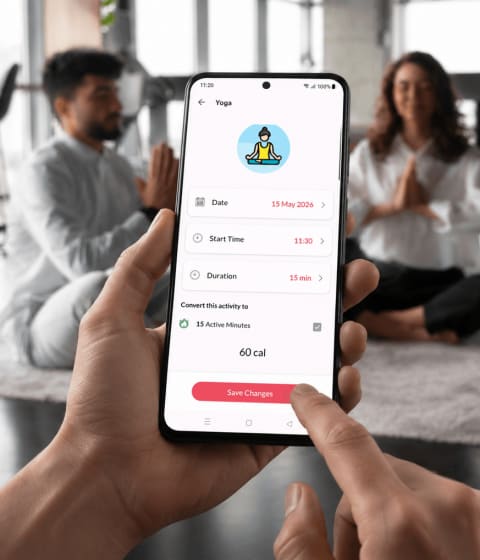
Our Vantage Pulse survey tool is shown here. Vantage Pulse is an eNPS-based pulse survey tool that helps HR teams understand and support the workforce.
If Vantage Pulse interests you, you can request a Vantage Pulse demo.
2. Direct Questionnaires and One-on-One Questions
A personal touch helps too. One-on-one conversations build the manager-employee relationship and give employers a deeper understanding of how their people are doing than a form alone can.
3. Asking Employees to Form Questions
Get creative and ask employees to write some of the questions themselves. The questions they suggest are often very personal.
For example, employees might raise an issue that weighs on their mental health, which helps managers understand what their teams are dealing with and respond to it.
4. GAD-7 Scoring
The GAD-7 (Generalized Anxiety Disorder 7-item scale) is a validated screening tool that measures how severe anxiety symptoms are. It can be used in employee surveys, ideally with support from a qualified professional.
Each of the seven items asks how often a symptom, such as nervousness, restlessness or trouble relaxing, occurred over the past two weeks. Answers are scored ‘not at all’ (0), ‘several days’ (1), ‘more than half the days’ (2) or ‘nearly every day’ (3), according to the original GAD-7 study.
Adding the item scores gives a total from 0 to 21, with 0-4 indicating minimal anxiety, 5-9 mild, 10-14 moderate and 15-21 severe. A score of 10 or more suggests further evaluation.
Used anonymously, the results show how widespread anxiety is across a team, so you can offer the right resources and support.
5. Employee Assistance Programs (EAPs)
Employee assistance programs offer confidential counseling and support for personal or work-related issues. Make sure employees know about them and encourage their use, then track overall usage rates to see where more mental health support is needed.
Conclusion
Work, relationships and personal challenges all shape how employees feel, and much of that stays hidden unless someone asks. A well-designed mental health survey gives employers a clear picture of where people are struggling and what support would help most.
Start with a few themes, keep the survey anonymous and voluntary, and act on what you learn. When employees see their answers lead to real change, they keep sharing, and the survey becomes the start of an ongoing conversation.
Frequently Asked Questions
What are close-ended questions for mental health?
Close-ended questions offer fixed answers, such as yes or no, multiple choice or a rating scale. "Do you feel supported by your manager?" and "Rate your stress from 1 to 10" are examples, and they are easy to compare over time.
What questions to ask in a survey about depression?
Validated screeners such as the PHQ-9 ask how often core symptoms, like low mood or loss of interest, occurred over the past two weeks. They are best used with clinical support; workplace surveys should focus on experiences and support needs.
What are some survey questions on good health and well-being?
Ask employees to rate their overall wellbeing, energy, sleep and work-life balance, and how often they are physically active, using a simple scale from "never" to "always" so answers are easy to track.
Should employee mental health surveys be anonymous?
Yes, in most cases. Fewer than 4 in 10 employees are comfortable telling HR about their mental health, according to the 2026 NAMI-Ipsos poll, so anonymity makes honest answers far more likely.
Can employers ask employees about mental health conditions?
Only in limited cases. Under the ADA, the EEOC allows disability-related questions to current employees when they are job-related and consistent with business necessity, or within voluntary, confidential health programs.
How often should you run an employee mental health survey?
Many employers run a full survey once or twice a year and add short pulse checks in between. Using the same core questions each time makes it easy to see whether things are improving.