Mental health stigma in the workplace is the negative judgment employees face, or fear they will face, because of a mental health condition. In the APA’s 2024 Work in America survey, 39% of US workers worried that disclosing a condition to their employer would hurt them at work.
Even with all the awareness campaigns, there’s still that invisible wall. People hesitate to admit they’re struggling. Leaders hesitate to ask. Teams hesitate to open up. And that’s what mental health stigma looks like today: quiet, subtle, and deeply ingrained in how we think about “professionalism.”
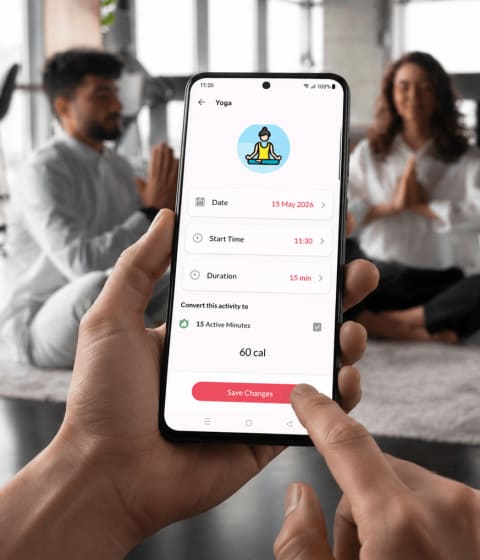
If you’re in HR, leadership, or management, you set the tone for what’s okay to talk about. One way to do that is to make looking after mental health a shared activity, such as a Vantage Fit team challenge that counts mindfulness sessions alongside steps.
Setting that tone starts with spotting stigma in its everyday forms. Let’s explore how it shows up at work, why it lingers, and seven ways HR teams can reduce it.
Key Takeaways
- Mental health stigma at work is often quiet: it lives in everyday advice, reactions to time off and long-hours culture, so employees keep their struggles to themselves.
- Public, self and structural are the three forms it takes, and the structural kind is built into company rules, such as attendance policies that ignore mental health needs.
- Old beliefs keep it alive: many workplaces still equate strength with never struggling, many managers lack training to talk about it, and employees fear the career cost of speaking up.
- Businesses pay for it in presenteeism, silent burnout and turnover, which drain both performance and institutional knowledge.
- Open leaders, trained managers and inclusive policies reduce it, and a simple start is treating a mental health day like any other sick day.
What Does Mental Health Stigma Look Like in the Workplace?

Mental health stigma at work usually looks ordinary. It appears in casual advice, in how people react to time off, and in which habits a team praises. Each of these signals tells employees that admitting a struggle could cost them. Here are a few familiar examples.
-
It’s in the “We all have bad days, just tough it out” kind of advice.
-
It’s in the side-eye someone gets for taking a mental health day.
-
It’s in the culture that celebrates working late and never saying no.
Sometimes it’s not intentional: we’ve just grown up believing that showing emotion or needing rest means you’re not strong enough. But when that message becomes part of workplace culture, people stop being honest about how they really feel.
From an HR standpoint, this stigma shows up in ways we might not always notice:
-
When an employee feels they can’t admit they’re burnt out without being seen as “unreliable.”
-
When time off for anxiety or depression is quietly treated differently than time off for the flu.
-
When managers avoid the topic altogether because they don’t know how to respond.
For leaders, the challenge is recognizing that stigma lives in what systems and behaviors signal as much as in what people say.
If employees sense that mental health struggles might cost them opportunities, trust, or credibility, silence becomes the safer option. That silence is where stigma grows.
Types of Mental Health Stigma
The stigma surrounding mental health can impact our lives in different ways. The three main types of stigma are:
1. Public Stigma

It involves negative attitudes and discriminatory behaviors exhibited by colleagues, managers, and organizational leadership toward people with mental health conditions. It includes assumptions about competence, reliability, and professional capability based on mental health status. It often manifests through social exclusion, gossip, inappropriate comments, and differential treatment in work assignments and promotions.
2. Self-Stigma

It is the most insidious form; self-stigma occurs when employees internalize negative societal attitudes about mental health and apply them to themselves. This internalized shame leads to decreased self-esteem, reluctance to seek help, and self-imposed isolation.
Employees experiencing self-stigma often engage in harmful behaviors like overworking to “prove” their worth or hiding their struggles, which ultimately exacerbates their mental health challenges.
3. Structural Stigma

It is a systemic form of stigma embedded within organizational policies, procedures, and cultural norms that inadvertently discriminate against employees with mental health conditions. For example:
-
Inadequate mental health benefits,
-
Punitive attendance policies that don’t account for mental health needs,
-
Workplace cultures that glorify overwork and stress, and
-
Leadership practices that fail to model healthy work-life balance or emotional transparency.
Why Does Mental Health Stigma Persist at Work?
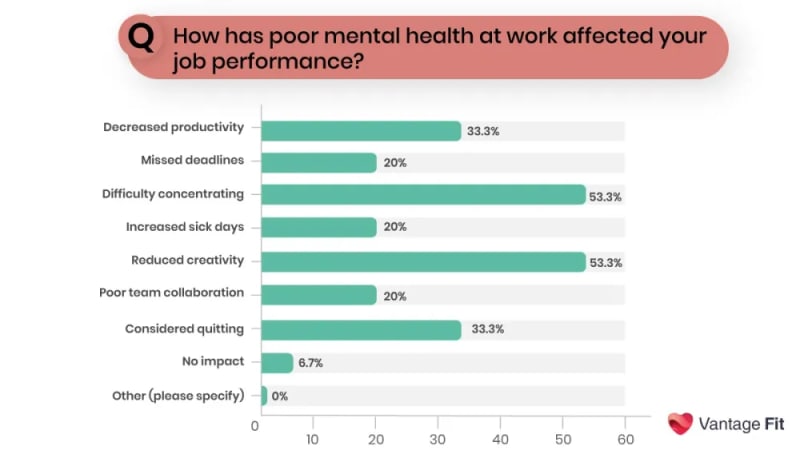
Stigma around mental health in workplaces persists due to a complex interplay of cultural, educational, and systemic factors that have deep historical roots. Here are some of the factors:
-
Cultural beliefs: In many organizations (and societies), vulnerability is still seen as weakness. That belief filters into how leaders evaluate “strength” and “resilience.”
-
Lack of awareness: Many managers simply haven’t been trained to talk about mental health. They may avoid the topic out of discomfort, not indifference.
-
Fear of consequences: Employees often believe that being open about mental health could limit career growth, lead to gossip, or make them seem less capable.
-
Workload and structure: Unrealistic deadlines, unclear boundaries, and constant connectivity can create environments where burnout is normalized and asking for help feels unsafe.
For HR, this means the solution isn’t just communication. It’s education, policy reform, and leadership modeling.
The Impact of Mental Health Stigma on Employees and Organizations
Mental health stigma at work hurts both employees and the organization. The cost of stigma isn’t abstract: it shows up in engagement data, retention metrics, and overall performance.
When employees don’t feel psychologically safe, here’s what happens:
-
They stop being honest about their needs.
-
Productivity drops as presenteeism increases: employees show up physically but check out mentally.
-
Burnout spreads silently, leading to turnover and loss of institutional knowledge.
For HR teams and employers, this becomes a measurable issue. Stigma directly affects absenteeism, morale, innovation, and even employer branding. Left unaddressed, these pressures also complicate broader employee wellness and stress management efforts across the organization.
Thus, a culture that stigmatizes mental health issues often struggles to retain high performers because employees equate “success” with sacrificing well-being.
The World Health Organization estimates that depression and anxiety cost the global economy US$1 trillion a year in lost productivity, with 12 billion working days lost every year.
How to Reduce Mental Health Stigma in the Workplace
Creating a healthy workplace requires comprehensive, multifaceted approaches that address the cultural, structural, and individual factors of stigma. Here are a few ways to do so:
1. Encourage Open Conversations and Storytelling

Leadership sets the tone by modeling vulnerability and transparency. When executives share their mental health experiences or demonstrate support for well-being, it fosters a sense of psychological safety for others.
Create structured opportunities through town halls, wellness panels, and peer support groups. Storytelling initiatives where employees voluntarily share their journeys can powerfully humanize mental health challenges.
Embed regular dialogue into team meetings and one-on-one meetings. Simple well-being check-ins and open resource discussions gradually shift culture toward acceptance.
2. Provide Training and Mental Health Literacy
Comprehensive mental health education is crucial for reducing stigma and fostering supportive workplace environments. Mental Health First Aid training equips employees with the skills to recognize mental health challenges, provide initial support, and connect colleagues with resources to support them. This training is particularly valuable for managers and team leaders who are often the first point of contact for employees experiencing difficulties.
Manager-specific workshops should focus on developing emotional intelligence, empathetic communication skills, and practical strategies for supporting team members with mental health challenges.
You can also hold organization-wide awareness campaigns during Mental Health Awareness Month. Provide education about conditions, resources, and colleague support through various formats, such as webinars and resource fairs.
3. Review and Update Policies and Benefits
Policy review is crucial for identifying and eliminating structural barriers that contribute to mental health stigma. Organizations should evaluate their current benefits packages to ensure mental health coverage is comprehensive and easily accessible.
Formally recognize mental health days through dedicated mental health programs or inclusive PTO structures.
Optimize Employee Assistance Programs with clear confidentiality communication. Implement flexible work arrangements, including remote options, flexible scheduling, and job-sharing, as standard workplace flexibility rather than special accommodations.
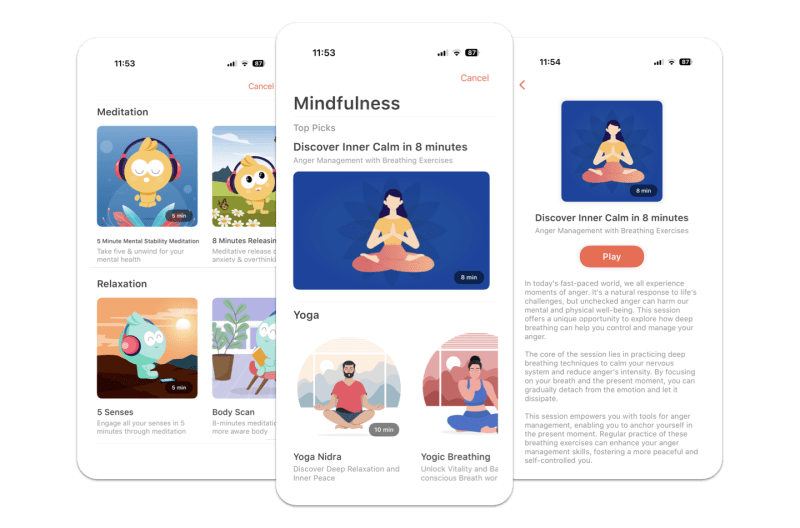
Vantage Fit carries that same spirit into the flow of everyday work. It offers a Mindfulness library of guided meditation, relaxation and sleep sessions, plus a mood log that only the employee can see.
Instead of pointing people toward a directory they may never open, it keeps everyday self-care within reach, so caring for mental health feels less like a last resort and more like a natural part of how work gets done.
4. Use Inclusive Language and Practices
Language shapes workplace culture and significantly impacts how mental health is perceived and discussed. Organizations should develop clear guidelines about respectful mental health communication, eliminating derogatory terms and casual references to mental health conditions. Train on people-first language, emphasizing the person rather than their condition.
Talk about mental health challenges as common experiences that people can manage with support and guidance.
Reviewing company communications and policies can reveal unconscious bias. Wellness initiatives should be framed positively, and the impact on mental health should be acknowledged in performance discussions.
5. Equip Leaders and Managers
Management development programs should include mental health training. This training helps leaders recognize early signs of mental health issues, respond with understanding, and foster team cultures that prioritize well-being. It should also cover everyday situations managers may face and provide practical tools for helping their team.
Leaders should be aware of mental health resources and legal considerations to support employees effectively.
Champion programs that train employees as mental health advocates help teams foster open conversations and offer essential peer support, ensuring colleagues have access to vital resources when needed. For a practical starting point, 12 ways managers can support their team’s mental health covers concrete approaches any leader can implement.
6. Design Workplaces That Support Well-Being

Physical and cultural workplace design significantly impacts mental health. Organizations should evaluate workload distribution, deadline management, and performance expectations to ensure they don’t contribute to unnecessary stress or mental health challenges.
Implement realistic timelines, adequate staffing, and clear boundaries for after-hours communication.
Embed psychological safety practices, ensuring employees feel safe expressing concerns and seeking help. Create workplace flexibility that accommodates different mental health needs and working styles.
7. Launch Awareness Campaigns and Resources
Awareness campaigns can change organizational culture and reduce stigma by educating about mental health and sharing success stories.
Accessible resource toolkits should include support services and self-care strategies, promoted through various channels. Regular internal communications featuring mental health content normalize discussions and demonstrate the organization’s commitment to employee well-being.
The Benefits of Addressing Mental Health Stigma in the Workplace

Organizations that actively reduce stigma around mental health see significant benefits for both employees and the business:
-
Enhanced Engagement & Productivity: Employees who feel supported are more focused, creative, and committed to their work.
-
Reduced Absenteeism & Presenteeism: When employees can ask for help early, they stay more consistent in their performance and are less likely to show up while mentally checked out.
-
Stronger Talent Attraction & Retention: In a 2019 survey by Mind Share Partners, SAP and Qualtrics, reported in Harvard Business Review, 86% of respondents said a company’s culture should support mental health. Organizations with supportive environments attract top talent and keep recruitment and training costs down.
-
Greater Innovation & Collaboration: Stigma-free workplaces foster psychological safety, enabling open dialogue, stronger teamwork, and more resilient, adaptable problem-solving.
Summing It Up
Changing workplace culture around mental health takes time, but every step forward makes a real difference. It’s about creating an environment where people feel safe to be themselves, maybe finally opening up about their anxiety, or a team leader realizing their “just push through” mentality harms their team.
Organizations that get it right don’t just improve mental health; they become magnets for top talent, innovation, and success. Supporting mental health isn’t about being “soft”; it’s about recognizing that when employees feel safe, everyone wins.
The strategies we’ve discussed aren’t just nice-to-haves. They’re practical approaches that give companies a competitive edge in a world where talent values mental health support. Your workplace can be a place where mental health is prioritized, and asking for help is a sign of strength.
Pick one strategy, try it next week, and start the conversation. Small actions create big changes.
Frequently Asked Questions
How common is mental health stigma at work?
Very common. In the 2026 NAMI-Ipsos Workplace Mental Health Poll of 2,153 US employees, 48% worried they would be judged for sharing mental health struggles, and only 15% had told their manager that work was hurting their mental health.
What are some mental health games and activities for the workplace?
Mindfulness challenges, stress-relief workshops, wellness bingo, gratitude exercises, and emotional intelligence team-building activities can open up conversations about mental health and build supportive work cultures.
How can managers enhance their team's mental health?
Managers can support mental health by holding regular check-ins, creating safe communication spaces, recognizing signs of mental health issues, offering flexibility, and connecting employees to available resources. Training in mental health literacy is key.
What are examples of mental health stigma in the workplace?
Examples include excluding employees after mental health leave, making derogatory jokes, assuming mental health conditions affect reliability, isolating affected employees, and making promotion decisions based on perceived mental health status.
Can talking openly about mental health really make a difference?
Yes. The 2022 Lancet Commission on mental health stigma reviewed 216 systematic reviews and found that contact with people who have lived experience reduces stigma most effectively. At work, that means leaders and colleagues sharing their own stories.
Is mental health discrimination illegal at work?
In the US, yes. The EEOC states that under the Americans with Disabilities Act, an employer cannot fire someone, reject them for a job or promotion, or force them to take leave simply because of a mental health condition.