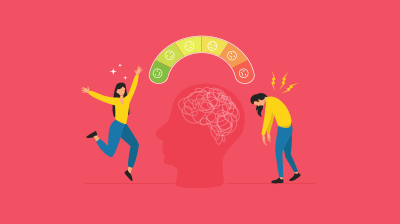
Raising mental health awareness in the workplace means helping employees understand mental health, notice when they or a colleague are struggling, and know where to find support. It matters because the cost is high: the World Health Organization estimates that 12 billion working days are lost to depression and anxiety every year.
Much of that struggle stays hidden, because many employees worry about how others will react. Awareness brings it into the open when it becomes a year-round habit, and Mental Health Awareness Month in May and World Mental Health Day on October 10 give HR teams natural moments to begin.
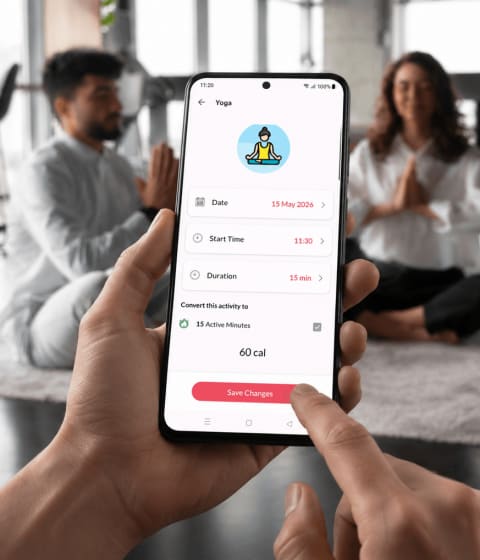
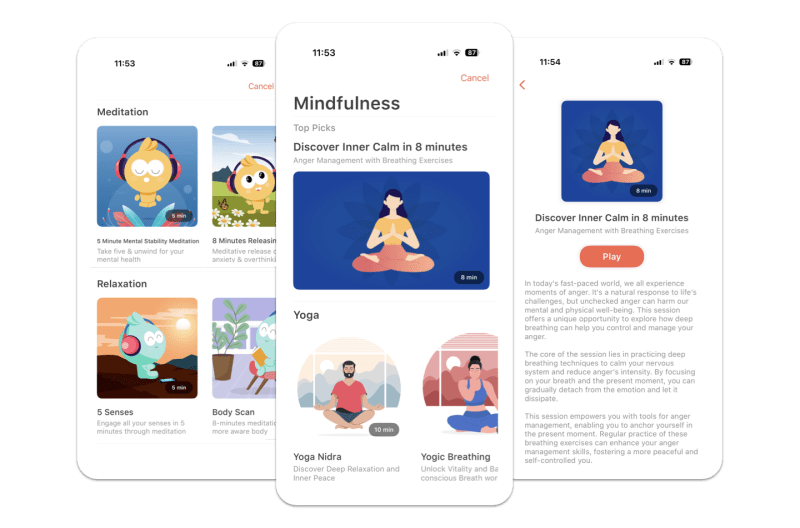
Everyday routines keep that habit going between those dates. In Vantage Fit, for example, a team challenge can count sessions from the mindfulness library alongside steps, so looking after mental health becomes a normal part of the workday.
So, what does that look like in practice? Let’s find out, starting with why awareness matters, the signs to watch for, and 10 practical ways to raise it.

Once you start talking about it you suddenly you realise that actually you’re part of quite a big club - Prince Harry
Key Takeaways
- Mental health awareness at work lets employees recognize struggles early, talk about them openly and use the support on offer.
- Hidden conditions are the core problem: anxiety and depression often go unnoticed for a long time, unlike physical illness, so silence lets them grow.
- Warning signs at work include tiredness, more mistakes, irritability, erratic hours and frequent absence, and spotting them early lets HR offer support sooner.
- Lasting awareness comes from steady habits, such as regular conversations, inclusive policies, trained managers, EAPs and leaders who model healthy boundaries.
- Physical activity campaigns, such as team walking challenges, support mental health too and give the whole company a shared reason to talk about it.
Mental Health Care in the Workplace
Before going further, ask yourself a few questions about mental health care at your company.

Do you have a proper mental health policy? What are the measures your company takes to address the mental health issues of employees? Is there any kind of counseling session or seminar being held on this topic?
If these questions are hard to answer, you may be a little behind in anticipating your employees’ mental health needs. The good news is that it is not too late.
Today’s workplaces are far more conscious of employee mental health. Employers understand that declining mental health can cause serious productivity problems, and those problems eventually hurt the business too.
Many organizations are starting to leave stigma, shame and denial behind and taking real steps toward good mental health for their workforce. Many employees also struggle to maintain a work-life balance, which makes mental health awareness essential in every workplace.
Being mentally well allows people to thrive, and employers increasingly recognize the value of well-being at work. With that in mind, many companies now run corporate wellness programs.
In the 2026 NAMI-Ipsos Workplace Mental Health Poll, 74% of US employees said it is appropriate to discuss mental health at work, yet only 61% felt comfortable sharing their own.
Why Is Mental Health Awareness in the Workplace Important?
Employees are the heart of an organization, so when their well-being suffers, the whole company feels it.

Anxiety and depression often go unnoticed for a long time. Physical illnesses usually show visible symptoms, while mental health conditions are much harder to detect.
Psychological and physical health also work in tandem, and each one directly affects the other.
We all have our highs and lows. Sometimes the lows run deep enough to lead to stress, anxiety and depression, and some people live with more serious conditions such as eating disorders, bipolar disorder or schizophrenia.
Any of these can seriously affect how well we engage and perform at work. That is why companies should share one goal: to look out for their employees’ mental health and improve it, so people feel supported and secure.
Because of stigma, mental health is often a quiet topic among colleagues. In the past it was worse. Employers had no formal process for it, employees who were struggling stayed silent, and few people knew the signs of declining mental health.
That picture has changed. People now understand that mental health shapes how we feel and function every day, and that discussing it openly can work as preventive care.
Raising awareness about mental health at work boosts morale and builds an inclusive workplace where employees can bring their whole selves to work. Over time, it can also help lower healthcare costs.
How Can You Tell if Employees Are Struggling With Mental Health Issues?
Employees rarely announce that they are struggling, so the signs are easy to miss.

If you work in HR, watch for these signs that someone may be struggling, so you can offer support early:
-
Physical symptoms such as tiredness or headaches
-
More mistakes than usual and a drop in productivity
Suggested Read: OCD at Work: How to Succeed and Overcome
-
Irritability, or seeming detached and indifferent
-
Erratic working hours: distracted during the day, then working late into the night or far longer than needed
-
Frequent absences
Stay connected with friends, family, and loved ones in times when you are feeling low.
How Do You Promote Mental Health Awareness in the Workplace?

About half of people develop at least one mental disorder by age 75, according to a 29-country study led by Harvard Medical School and the University of Queensland. So your organization likely has employees who are quietly struggling.
To build a culture of real mental health awareness, organizations need mental health programs that employees can use. A range of options lets each person find the support that suits them.
Starting the conversation can feel hard, so make the most of the right moments when they come.
Mental Health Awareness Month is one of the best. It gives HR a natural reason to raise this difficult topic and to remind employees of the resources available to them. HR teams are well placed to build a strong support system for staff.
Here are 10 ideas to make your workplace more open, aware and accepting, during Awareness Month and all year round. Some may feel daunting at first, but each one is practical.
1. Get Rid of the Stigma
Treating mental health as a taboo topic can hurt a company in the long run. Everyone at work should understand that good mental health is essential to doing good work.
If your culture is not used to discussing mental health, start by talking about its real-life effects in meetings with both managers and employees.

Explain how poor mental health makes people less effective at work and how that affects productivity and earnings. Share reliable statistics on how many people live with mental health conditions. Companies also need to make sure employees can reach good-quality care.
What mental health needs is more sunlight, more candor, more unashamed conversation. - Glenn Close
2. Hold Workplace Activities
Mental Health America founded Mental Health Awareness Month in 1949, and the United States marks it every May with activities built around a particular theme. These activities spread the word through social media, pamphlets, films and workshops.
The month gives you a natural opening to talk with employees about mental health. Mark May in the company calendar and encourage employees to speak up. As more people talk, the stigma around the topic starts to fade.
Even a mention in the company newsletter, or well-being quotes shared by email and notification, signals to employees how much the issue matters.
3. Provide a Platform for Discussion
Setting aside regular time for mental health discussions can do a lot to raise awareness.
HR teams can host weekly sessions, both one-on-one and in groups, for employees to talk about the issues they face. Keep them informal and comfortable, so people feel free to share their views.

These forums build trust between employers and employees, which helps employers address problems early. The conversations can happen during meditation sessions, outdoors in the fresh air, or in a relaxation space.
You may not have perfect answers right away, and that is fine. Showing that you are willing to discuss the topic matters more, so be candid with the team and let them speak openly.
Share accurate, trustworthy mental health information in these conversations, and hold them often so they become part of your well-being communication plan.
The aim is to keep reminding employees that, however hard things get, help is always available.
4. Introduce Inclusive Policies
How will you handle mental health issues without policies to guide you? Without a mental health policy, your organization misses a major opportunity. Policies are how you prevent discrimination, harassment and mental health stereotypes at work.
When policies are missing, employees may not see how seriously the company takes mental health, and some will keep struggling in silence.
Clear, firm policies help awareness spread, because they show the whole organization that the matter is serious.
If you already have mental health policies, review them and look for ways to make them more supportive.
5. Lead by Example

Employees follow what their leaders do, so setting a good example is one of the strongest steps you can take.
Set clear boundaries around work-life balance. Be available during office hours and switch off after 6 p.m. Avoid taking work home or working overtime, except in emergencies.
Show your team that you take your own mental health seriously. Let them see how taking vacations, keeping to work hours and not answering emails after hours give you peace of mind.
Work the hours you expect your staff to work. Where possible, encourage employees to take a mental health day to recharge, and keep the focus on good mental health.
The more often employees hear these messages, the more they believe them, and the better it is for everyone.
6. Train the Managers
Employee awareness is only part of the picture. Managers need a firm grasp of the topic too, and talking about mental health is just the first step: the wider workplace culture has to evolve as well.
Give managers proper training to notice when employees may be struggling and to respond with support. The training matters because every employee is different.
A good manager tries to understand each employee’s situation and makes sure they know what support is available.
7. Launch Employee Assistance Programs
Employee Assistance Programs (EAPs) are a practical way to spread awareness about mental health, and they benefit employers and employees alike.

EAPs give employees support beyond what their managers can offer, for issues that affect their mental and physical health.
An EAP can include stress management tools, counseling sessions, mental health screenings and workshops, and together these can strengthen your team’s emotional wellness.
One-on-one counseling often helps, because it lets people speak freely. For this to work, the counselor needs the right knowledge and experience, and must make employees feel comfortable enough to confide in them. As an employer, it is your job to ensure that.
For workshops, invite an engaging speaker or consultant who can raise awareness about mental health in a way employees find interesting.
Mental health screenings, online or in person, can also encourage employees to seek help when they need it.
Together, these resources help employees understand what they are going through, how to cope, and which support to use, so they can work through their problems with more resilience.
Motivate employees to seek help when they feel too overwhelming.
8. Explain the Concept of Stress
Did you know stress comes in different types? Helping employees recognize the kind of stress they are under is a key step in spreading mental health awareness.
Some workplace stress is healthy: it boosts motivation and pushes people to be creative. Unhealthy stress is what causes trouble. It can lead to depression and anxiety, two things no one wants for their employees, and it also drives higher turnover.
Explain the two types to your employees and ask them to identify which one they are dealing with. Then share ideas for managing unhealthy stress and making good use of the healthy kind, so everyone has clarity.
Dr. Eva Selhub, Founder of Resilience Experts LLC and former Medical Director at the Benson-Henry Institute for Mind-Body Medicine at Massachusetts General Hospital, describes stress as something people can learn to adapt to:
"So stress is just a way that every living organism has to manage and find a way to adapt. And so the key that's very important is learning how to adapt, how to be able to adapt to ongoing stress that life will always present. And we have the ability to look at a stress and say, yes, I can handle it."
— Dr. Eva Selhub, Founder, Resilience Experts LLC | Listen to the full episode
9. Run Physical Health Campaigns
To engage employees during Mental Health Awareness Month, plan exciting campaigns, and include physical events such as walkathons, marathons and swimming.
Form teams and run wellness contests and challenges. This way, you kill two birds with one stone.
You raise awareness of mental health and support your staff’s physical and psychological health at the same time, because walkathons and marathons bring many physical and mental benefits. They relieve stress while keeping the body fit and active.
Yoga and meditation sessions at work calm both body and mind too. Both bring mental clarity, body awareness and sharper concentration.
When the whole organization rallies around a cause, that cause gets noticed, and in this case, the cause is mental health.

Walking challenges are a common part of wellness programs, and companies keep getting better at running them.
With working from home now common, virtual walkathons are popular too, and virtual wellness programs are a convenient option for remote and hybrid teams.
Vantage Fit runs step and walking challenges with automatic step tracking from phones and wearables, a 7-minute workout, and leaderboards.
Leaderboards let employees see how they are doing, which encourages them to aim higher and set harder targets. You can also reward them for reaching those goals.
The connection is simple: keeping employees active and engaged while raising mental health awareness supports both their mental and physical health.
Here is what that looks like in practice. During IBS Software’s 28-day “March to Fitness” challenge on Vantage Fit, 130 employees logged their mood in the app, and the program reached an 88% engagement rate.
10. Find a Mental Health Partner
Raising awareness is the easy part; putting it into practice is harder. Once you have clear goals, the next step is finding the right healthcare plan or mental health partner.
A mental health partner is an organization that focuses on providing mental health services to companies. They bring a trusted network of therapists, counselors and treatment centers that can handle everything from everyday concerns to clinical care.
As you raise awareness at work, a mental health partner can guide each employee on their own path toward mental well-being.
Suggested Read: Who Are Mental Health Champions at Work?
Wrap Up
Employers can take a step forward by talking about mental health issues openly with employees. Treat mental health awareness as a year-round call to action for a culture of open discussion, and the taboo around mental health starts to lift, leaving a happier and more productive workplace.
Frequently Asked Questions
When is Mental Health Awareness Month?
In the United States, Mental Health Awareness Month runs every May; Mental Health America founded it in 1949. Many workplaces also mark World Mental Health Day, held every year on October 10.
What are some mental health awareness activities for employees?
Lunch-and-learn talks, mindfulness sessions, peer support groups, team walking challenges and Mental Health First Aid training for managers. Repeat a few through the year so they become habits.
How common are mental health conditions among employees?
Very common. The WHO estimates that 16% of working-age adults had a mental disorder in 2023, and in the 2026 NAMI-Ipsos poll, 53% of US employees said they felt burned out because of their job.
Why do employees avoid talking about mental health at work?
Stigma is the most common reason. Among employees uncomfortable sharing in the 2026 NAMI-Ipsos poll, 41% cited stigma, 33% did not want to seem weak, and 23% feared retaliation.
What is HR's role in mental health awareness?
HR sets the policies, trains managers, chooses support such as an EAP, and plans awareness activities through the year, then keeps those resources visible so employees know where to turn.