Understanding which foods qualify as superfoods is only the beginning. The challenge is incorporating these nutritional powerhouses into your daily routine.
They must support your training, enhance performance, and fit seamlessly into your lifestyle. Building a sustainable superfood strategy requires planning, creativity, and a willingness to experiment with new flavors and combinations.
1. Strategic Meal Planning
The most effective approach to incorporating superfoods is through strategic meal planning. Design your weekly meals around these nutrient-dense options to ensure a variety of benefits throughout the week.
For example, plan smoothie bowls featuring berries and chia seeds for post-workout recovery, quinoa salads with leafy greens for sustained energy, and sweet potato-based meals for pre-training fuel.
2. Timing Your Superfood Intake
Different superfoods offer various benefits at different times. Consuming antioxidant-rich berries after intense training sessions can help reduce inflammation and support recovery.
Consuming complex carbohydrates, such as quinoa or sweet potatoes, 2-3 hours before training provides sustained energy. Omega-3-rich foods, such as walnuts or chia seeds, can be beneficial at any time of day due to their anti-inflammatory properties.
3. The Smoothie Strategy
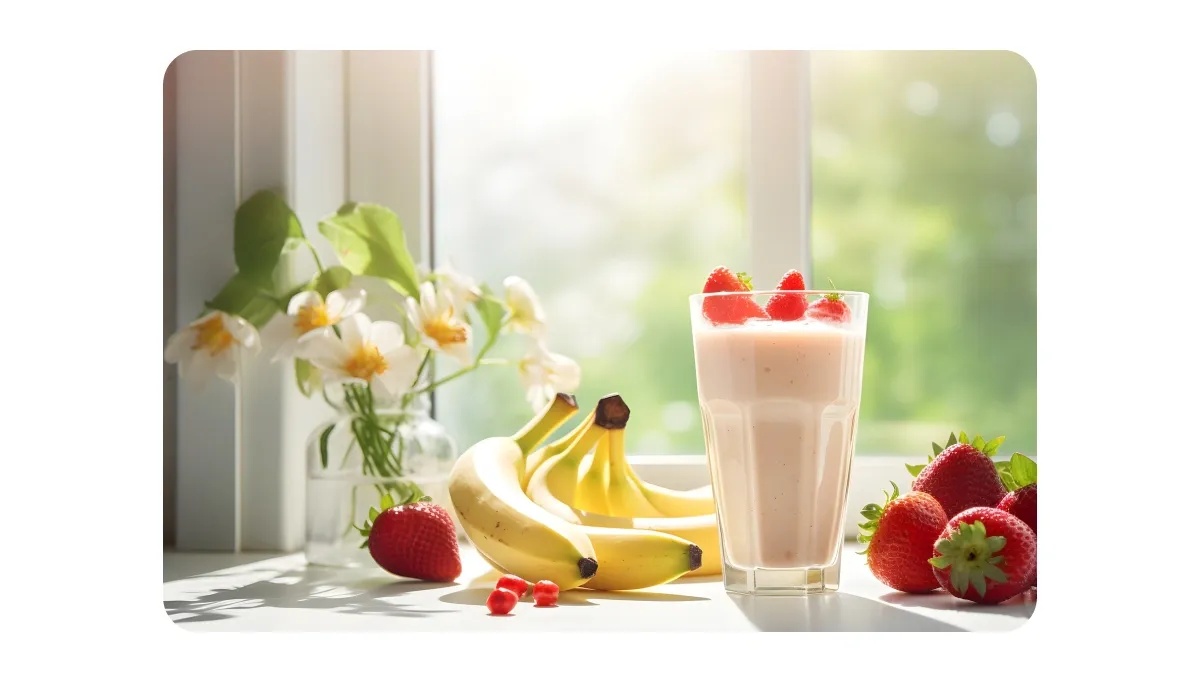
Smoothies offer one of the easiest ways to pack multiple superfoods into a single meal. A typical performance smoothie might include spinach (rich in iron and nitrates), berries (rich in antioxidants), chia seeds (rich in omega-3s and fiber), banana (rich in potassium), and Greek yogurt (rich in protein). The beauty of smoothies lies in their versatility; you can adjust the ingredients based on your training schedule, taste preferences, and nutritional needs.
Spinach pairs beautifully with tropical fruits like pineapple and mango. Kale works well with apples and bananas. Beets complement berries and citrus. Once you understand these combinations, you can create an endless variety of variations.
4. Snack Smart
Transform your snacking habits by incorporating superfood options. Instead of reaching for processed snacks, keep combinations like apple slices with almond butter, berries with Greek yogurt, or homemade trail mix featuring nuts and seeds. These options provide sustained energy and valuable nutrients that support your active lifestyle.
5. Cooking Techniques That Preserve Nutrients

How you prepare superfoods can significantly impact their nutritional value. Steaming or lightly sautéing vegetables preserves more nutrients than boiling. Consuming berries, whether fresh or frozen, maintains their antioxidant content. Soaking nuts and seeds can improve their digestibility and nutrient absorption. Learning these simple techniques ensures you're getting maximum benefit from your superfood choices.
6. Budget-Friendly Superfood Strategies
Eating superfoods doesn't have to break the bank. Buying frozen berries can be a more economical option than purchasing fresh ones while maintaining their nutritional value. Purchasing nuts and seeds in bulk reduces costs.
Growing your herbs and microgreens provides fresh, superfoods at a minimal expense. Seasonal shopping for fresh produce ensures you're getting the best prices and peak nutritional content.
7. Creating Superfood Combinations
The power of superfoods is often enhanced when they're combined strategically. Pairing iron-rich spinach with vitamin C-rich berries improves iron absorption. Combining healthy fats from avocado with fat-soluble vitamins from colorful vegetables enhances nutrient uptake. Understanding these synergistic relationships helps you create more effective meals.
8. Preparation and Storage Tips
Proper preparation and storage of superfoods ensure you always have nutritious options available. Washing and prepping vegetables when you bring them home makes healthy choices more convenient. Soaking chia seeds in advance creates a gel-like consistency perfect for puddings or smoothie additions. Freezing ripe bananas provides a sweet base for smoothies and nice cream.
9. Addressing Common Challenges

Many people struggle to incorporate superfoods due to taste preferences or limited preparation time. Start gradually by adding small amounts of new foods to familiar dishes. If you don't enjoy the taste of leafy greens, try adding small amounts to fruit smoothies where their flavor is masked. If time is a concern, consider batch-cooking quinoa and roasting vegetables at the beginning of the week.
10. Measuring Success
Track how incorporating superfoods affects your energy levels, recovery time, and overall performance. Keep a simple food and training log to identify patterns and connections between your nutrition and how you feel. This personal data will help you refine your approach and identify which superfoods provide the most benefit for your individual needs.
Remember, the goal isn't to completely overhaul your diet overnight, but rather to gradually incorporate these nutrient-dense foods into your current eating patterns.
Start with one or two superfoods that appeal to you, master incorporating them into your routine, and then gradually expand your repertoire.
The key to success is consistency and finding approaches that you genuinely enjoy and can sustain over the long term.