Mental health represents a person’s overall psychological, emotional, and social resilience, shaping how they process daily pressures, make decisions, and interact with the world around them.
As defined by the World Health Organization (WHO), true mental wellness goes beyond the absence of psychological distress. It is an active state of health that allows people to realize their full potential, manage routine stressors, work productively, and build meaningful relationships.
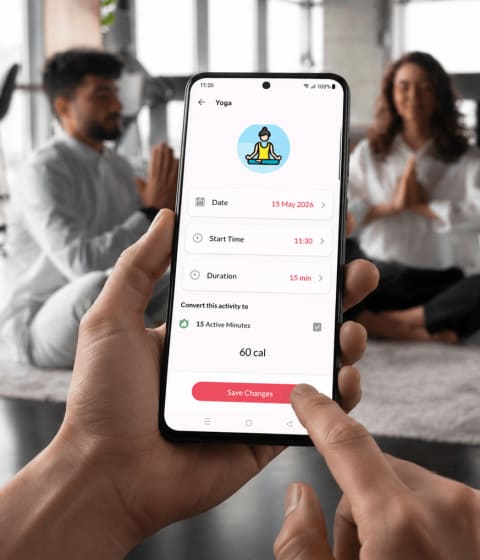
Workplace wellness platforms like Vantage Fit help organizations nurture these dimensions by integrating daily mood check-ins, Health Risk Assessments (HRA), 30+ guided mindfulness sessions, and team activity challenges into a cohesive employee experience.
Key Takeaways
- Three Core Dimensions: Mental health encompasses cognitive (how you process thoughts), emotional (how you regulate feelings), and behavioral (how you act) dimensions.
- 7 Actionable Pillars: Building psychological resilience requires nurturing therapy, physical health, community, intellectual growth, environment, self-care, and healthy boundaries.
- Mind-Body Link: Consistent physical activity, restorative sleep, and mindfulness practices directly reduce anxiety and lower burnout risks by up to 32%.
- Workplace Support: Structured wellness programs give teams accessible tools like mood logging and guided meditation to maintain daily mental vitality.
Mental health is dynamic rather than fixed. It shifts across a continuum based on workload demands, living environments, physical health, and social support.
Recognizing the key building blocks of mental well-being enables individuals and HR leaders to build proactive support systems before chronic exhaustion sets in.
What are the core pillars of mental well-being?

Psychological wellness operates across three foundational dimensions: cognitive health (how you process thoughts), emotional health (how you regulate feelings), and behavioral health (how your daily actions shape your lifestyle).
When these three dimensions work in harmony, they create the internal stability required to navigate high-pressure workloads, maintain meaningful workplace relationships, and prevent cognitive fatigue.
| Mental Health Component | Primary Focus | Key Psychological Functions | Daily Application |
|---|---|---|---|
| 1. Cognitive Health | Thought processing & mental clarity | Memory, decision-making, attention span, problem-solving, cognitive flexibility | Reframing negative self-talk, structured deep work, critical thinking |
| 2. Emotional Health | Mood regulation & sentiment | Self-awareness, emotional resilience, stress processing, empathy, self-esteem | Daily mood logging, expressive journaling, gratitude practices |
| 3. Behavioral Health | Habits & outward actions | Healthy coping mechanisms, lifestyle choices, impulse control, sleep hygiene | Regular physical activity, mindful breathing breaks, setting work boundaries |
1. Cognitive health

Cognitive health governs how you acquire, process, store, and retrieve information. Because thoughts directly trigger emotional reactions and guide behavioral decisions, cognitive wellness serves as the command center for your overall mental state.
Key cognitive functions include:
- Executive Functioning: Planning, prioritizing, and executing complex daily tasks.
- Information Processing: Accurately evaluating situations without jumping to cognitive distortions.
- Cognitive Flexibility: Adapting your mindset when unexpected project shifts occur.
When cognitive health is nurtured through continuous learning, adequate rest, and reduced multitasking, individuals experience clearer focus and lower mental fatigue.
Suggested Read: Holistic Employee Wellness: 5 Pillars to Boost Workplace Health
2. Emotional health

Emotional health refers to your capacity to recognize, express, and constructively manage the full spectrum of human emotions. Being emotionally healthy does not mean feeling continuous happiness; rather, it means developing self-awareness and emotional agility during stressful events.
Developing strong emotional health fosters:
- Greater emotional resilience when facing unexpected professional setbacks.
- Healthier self-esteem and reduced susceptibility to imposter syndrome.
- Deeper empathy and more collaborative workplace relationships.
- Proactive practice of positive thinking and constructive reflection.
Suggested Read: 15 Emotional Wellness Activities to Practice in the Workplace
3. Behavioral health
Behavioral health reflects how your daily habits, lifestyle routines, and coping mechanisms impact your physical and mental functioning. It encompasses behaviors such as sleep consistency, physical activity, nutrition, and stress management practices.
Positive behavioral choices create an upward spiral. Engaging in healthy habits stabilizes neurotransmitters like dopamine and serotonin, directly fortifying emotional and cognitive reserves.
To explore how organizations structure behavioral support, review our guide to behavioral health care and see how corporate mental health programs create supportive workplace environments.
The 7 components of good mental health

Sustaining positive mental health requires a multi-dimensional approach that nurtures mind, body, and social connections simultaneously. When one area is neglected, the strain ripples across your psychological well-being.
Here are the seven foundational components of good mental health:
1. Professional support and therapy

Professional counseling and psychotherapy provide an objective, confidential sounding board to process emotional distress, identify cognitive distortions, and develop healthy coping mechanisms.
Whether conducted in-person or via telehealth, therapy offers evidence-based tools (such as Cognitive Behavioral Therapy) tailored to individual challenges. Seeking professional guidance is a proactive practice in building psychological resilience, not a sign of weakness.
2. Physical health and lifestyle habits

The biological link between physical and mental health is profound. Aerobic exercise stimulates brain-derived neurotrophic factor (BDNF) and releases endorphins, while chronic inactivity increases vulnerabilities to anxiety and depressive symptoms.
Adopting healthy lifestyle choices like 7 to 8 hours of restorative sleep, regular cardiovascular movement, and balanced nutrition stabilizes mood and sharpens cognitive focus.
Workplace wellness platforms like Vantage Fit address this connection directly by combining physical activity tracking with mood logging and mindfulness audio sessions.
For instance, in IBS Software’s 28-day March to Fitness challenge, 130 employees monitored their daily mood and 95 engaged in dedicated mental wellness sessions, contributing to an 88% overall engagement rate.
"One of the features I loved the most is the Yoga Nidra session, which helped us relax in the stress-induced environment."
– Celegence
3. Community and social connections
Human beings are wired for connection. Belonging to a supportive social circle of colleagues, friends, family, or support groups provides essential psychological validation and buffers against workplace loneliness.
Gallup research shows that having trusting relationships at work significantly enhances job satisfaction, team engagement, and employee retention. Digital wellness challenges provide a structured catalyst for building this connection across distributed teams:
"Team challenges have strengthened relationships and built a sense of community among employees."
– Tara Shore, Niche Technology
Meaningful social bonds remind individuals that challenges do not have to be navigated alone.
4. Intellectual health and mental stimulation

Intellectual wellness involves engaging in creative pursuits, expanding personal knowledge, and stimulating curiosity. Continually learning new skills, exploring hobbies, and engaging in mindfulness exercises keeps the brain agile and creates a sense of personal mastery.
Modern wellness platforms support intellectual well-being by offering personalized health education and bite-sized learning resources. For example, Vantage Fit’s in-app Content Library delivers curated wellness articles, podcasts, and habit tips directly to employees:
"We particularly liked the 'Library' feature which has loads of useful health and wellbeing tips and resources for users. The app has something for everyone!"
– William Slater, Dudley Building Society
Challenging your mind through reflective reading, problem-solving, and creative exploration prevents mental stagnation and gives everyday life renewed purpose.
5. Environmental health and surroundings
Your physical environment strongly influences your psychological baseline. Factors such as workspace ergonomics, natural light, noise levels, and clutter directly impact cortisol levels and mental focus.
Cultivating a positive environmental wellness baseline creates a calming atmosphere that supports sustained cognitive performance. This includes organizing your workspace, spending time outdoors in natural light, and minimizing sensory fatigue.
6. Intentional self-care practices

Self-care encompasses intentional daily actions taken to preserve physical, emotional, and psychological energy. It is not an indulgence, but a necessary practice to manage chronic workplace stress and maintain equilibrium.
Clinical research highlighted by Southern New Hampshire University confirms that structured self-care routines measurably reduce anxiety, mitigate depression symptoms, and enhance emotional regulation. Effective self-care includes breathwork, nature walks, unplugging from digital screens, and restorative hobbies.
7. Setting healthy boundaries

Establishing firm personal and professional boundaries is vital for safeguarding mental health. Boundaries define where work responsibilities end and personal recovery begins, preventing over-commitment and people-pleasing fatigue.
Learning to communicate limits clearly and saying “no” to unreasonable demands preserves your emotional energy, builds self-respect, and protects against chronic occupational burnout.
Frequently Asked Questions
What are the primary components of mental health?
Mental health consists of three core dimensions: cognitive health (how you process thoughts), emotional health (how you regulate feelings), and behavioral health (how your lifestyle habits and actions affect your well-being). Together, they govern psychological resilience.
What are the 7 components of good mental health?
The 7 components of good mental health are: (1) professional therapy/support, (2) physical health and lifestyle habits, (3) community and social connections, (4) intellectual stimulation, (5) environmental health, (6) intentional self-care, and (7) healthy personal boundaries.
What is the difference between mental health and emotional health?
Mental health is the overarching umbrella that includes cognitive processing, psychological functioning, and behavioral habits. Emotional health is a specific component within mental health focused on your ability to recognize, express, and regulate emotions constructively.
How does physical health affect mental well-being?
Physical activity releases mood-boosting neurotransmitters like endorphins and serotonin while reducing cortisol levels. Regular exercise, balanced nutrition, and restorative sleep directly lower the risk of anxiety, depression, and cognitive fatigue.
Can digital wellness platforms help improve workplace mental health?
Yes. Platforms like Vantage Fit support mental wellness by offering daily mood tracking, 30+ guided mindfulness and meditation audio sessions, and team challenges that build social camaraderie and stress resilience.
Summing it up
Building strong mental health is an ongoing, multi-dimensional practice rather than a one-time achievement. By nurturing your cognitive clarity, emotional regulation, and daily behavioral routines across the seven pillars of well-being, you build the resilience needed to thrive through life’s challenges.
For organizations, supporting these components through comprehensive employee wellness and stress management programs creates an inclusive, high-performing culture where team members feel valued, supported, and empowered.