











10 New Year’s Fitness Challenge Ideas for Your Workplace

The start of a new year offers an opportunity for people to reset, with lighter routines and a focus on small changes that make workdays more manageable. It’s not about extreme goals. just realistic ways to move more, feel healthier, and regain some energy after the holidays.
One way to capitalize on this momentum is through workplace fitness challenges.
When workplace fitness challenges are designed thoughtfully, they boost energy during a slower season, strengthen team connections, and give employees a common goal to rally around. A short walk, a stretch break, or a shared goal can go a long way in building morale.
The key is keeping challenges flexible, fun, and inclusive. Employees have different schedules, abilities, and comfort levels with fitness. The best challenges meet people where they are, offer choices instead of pressure, and focus on participation over performance. When fitness feels doable and enjoyable, engagement follows naturally.
The Philosophy: "1% Rule"
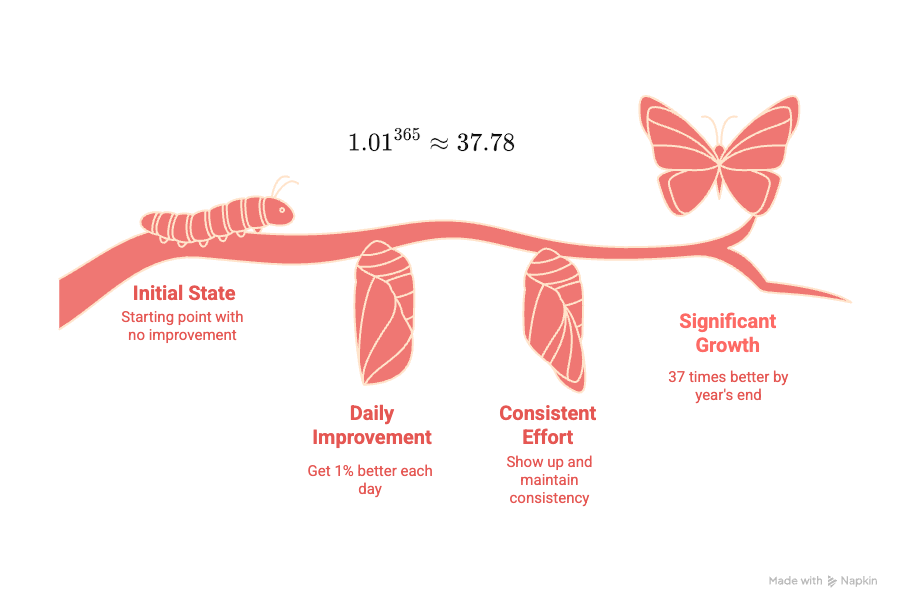
The concept of the '1% Rule' is inspired by James Clear's Atomic Habits: if you get 1% better each day, you'll be 37 times better by the end of the year. This concept emphasizes gradual improvements over time. The goal isn't to lose 20 pounds in 30 days. The goal is to prove to yourself that you can show up.
3 Tips to Survive the January Slump
-
The "Two-Minute Rule": If you’re struggling to find the motivation to work out, tell yourself you’ll commit to just two minutes. Often, the hardest part is simply putting on your shoes.
-
Focus on "Add," Not "Subtract": Instead of saying "I won't eat junk," say "I will add a salad to my lunch." This prevents the feeling of deprivation.
-
Find Your "Why" Beyond the Mirror: Aesthetic goals can be fleeting, especially when motivation wanes. Instead, focus on how you feel—more energy for your kids, less back pain at work, or better sleep.
With the mindset set, the next step is action, without adding pressure. The challenges below turn everyday habits into simple movement opportunities that fit naturally into the workday, making participation easy and sustainable.
1. The "Audiobook" Step Challenge (The Twist)

A daily walking goal that is strictly tied to your favorite entertainment.
How it works? You are only allowed to listen to your favorite podcast or audiobook while you are walking. If you stop walking, you have to hit pause.
Ways to track: Use your phone’s health app to track daily steps (aim for 7,000+) and use your "listening progress" as your primary motivator.
Impact: Step challenge uses the principle of ‘temptation bundling,’ which turns physical activity into a rewarding mental experience, making it feel effortless.
With Vantage Fit's Step Challenge, watch daily walks transform into friendly competition, complete with live leaderboards, automatic wearable sync, and team rivalries that make steps feel like a team sport.
Want to turn solo steps into company-wide momentum?
2. The Desk-Athlete Challenge
A mobility-focused challenge designed to combat the physical toll of sitting for long periods.
How it works? Set a "movement alarm" for every 60 or 90 minutes of work; when it goes off, perform 60 seconds of desk-friendly exercises (like chair squats, neck rolls, or standing stretches).
Ways to track: Use a timer app on your computer or place a tally mark on a sticky note to track each active break.
Impact: This challenge prevents postural fatigue, stimulates your lymphatic system, and helps maintain focus, reducing mental fatigue by mid-afternoon.
3. The Movement Alphabet Challenge
A gamified workout where the spelling of specific words determines your daily routine.
How it works? Each letter of the alphabet corresponds to a specific exercise (e.g., A = 10 lunges, B = 15-second plank). Every day, 'spell out' a new word—whether it’s your name, a city, or a motivational phrase—by completing the exercises linked to the letters.
Ways to track: Keep a printed "Alphabet Key" visible (perhaps on your fridge) and check off your 'Word of the Day' on a wall calendar as you complete the exercises.
Impact: This gamified approach makes fitness more enjoyable, reducing boredom while engaging different muscle groups each day.
4. The "Scientific 7" Workout
A high-intensity circuit based on the famous ACSM-published "7-Minute Workout."
How it works? Perform 12 exercises (like jumping jacks, wall sits, and push-ups) for 30 seconds each with 10 seconds of rest in between.
Ways to track: Pressed for time? Vantage Fit delivers a guided 7-Minute Workout straight to employee phones. No gym, no equipment, no "I'll do it later. Make it effortless now.
Impact: This scientifically designed routine delivers the benefits of a longer workout in just a fraction of the time. By keeping your heart rate in the optimal zone, you maximize efficiency.
5. The Fitness Bingo Challenge
A community-driven challenge that focuses on holistic health rather than just calorie burning.
How it works? Create a 5x5 grid with healthy habits (e.g., 'Tried a new fruit,' '8 hours of sleep,' 'No sugar in coffee'). Aim to complete five in a row or achieve a 'blackout' by completing the entire grid by month’s end.
Ways to track: Print out a physical Bingo card and use stickers or a bright marker to cross off squares as you complete them. You can also use a digital tracker or app for a more tech-savvy approach.
Impact: This format shifts the focus from 'punishment' to 'achievement,' rewarding small, positive choices that contribute to a healthy lifestyle.
You might also like: How to Successfully Run a Wellness Bingo Challenge: The Complete Implementation Playbook
6. The 100-Rep Ladder Challenge
A progressive-volume challenge centered on a single foundational bodyweight movement.
How it works? Choose a single exercise (e.g., squats or incline push-ups) and start with 10 reps on Day 1. Add more reps each day, aiming to reach 100 reps by the end of the challenge.
Ways to track: Use a simple habit-tracking checklist or a dedicated notebook to record your daily rep count and the time it takes to complete them.
Impact: This challenge builds muscular endurance while providing a clear sense of progress as you track your increasing reps each day.
7. The "60-Second Sanity" Challenge

A micro-mindfulness challenge designed to reset your nervous system.
How it works? Stop everything three times a day—morning, noon, and night—and take 60 seconds for 'Box Breathing' (inhale for 4, hold for 4, exhale for 4, hold for 4).
Ways to track: Set three daily alarms on your phone labeled 'Breathe' to remind you to take your 60-second mindfulness break.
Impact: This challenge helps reduce your heart rate and 'cortisol spikes,' training your brain to remain calm and focused during stressful transitions.
Normalize and reward mental wellness. Vantage Fit’s Mindfulness Minutes ensures mindfulness and breathing practices are visible and consistent.
8. Walk-and-Talk Meetings
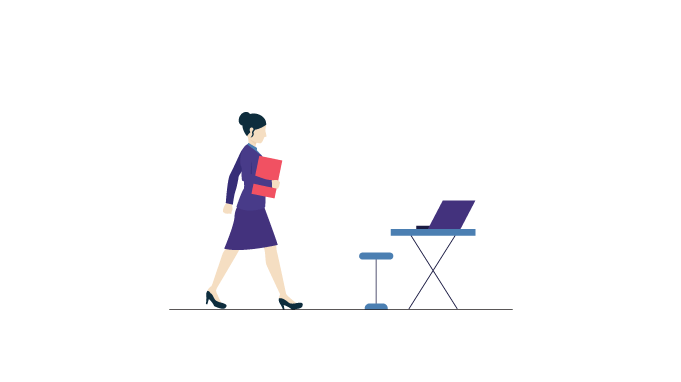
A challenge that turns routine meetings into light activity opportunities.
How it works? Employees aim to replace at least one seated meeting per week with a walking meeting; solo or with a colleague. This increases movement while encouraging collaboration."
Ways to track: Track progress with weekly reflection submissions or by tagging meetings on your calendar as 'walk-and-talk.’
Impact: Walking meetings quietly boosts creativity and engagement while increasing daily movement.
9. Posture and Core Reset
A gentle strength challenge focused on posture, core stability, and daily alignment.
How it works? Employees practice short posture drills or core exercises several times per week, in between work tasks, with the help of quick educational tips.
Ways to track: Track progress with weekly logs or reflection prompts like, 'Did you practice today?'
Impact: This challenge supports long-term physical health by strengthening foundational muscles, improving comfort and focus during work.
10. Sleep-Supported Fitness Challenge
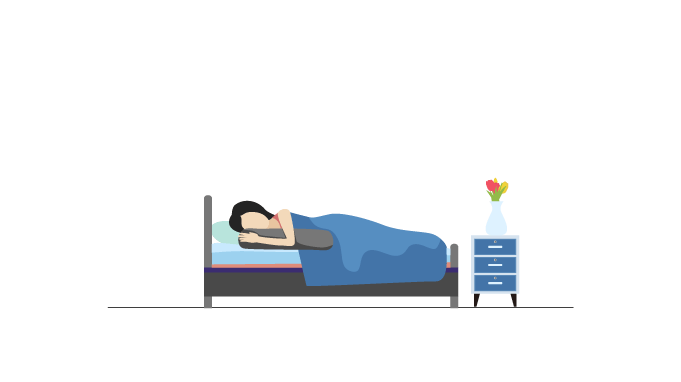
A fitness challenge that connects movement with better sleep habits.
How it works? This challenge encourages employees to pair light daily movement with a sleep-supporting action, such as going to bed earlier, having a screen-free wind-down, or maintaining consistent wake times.
Ways to track: Track progress with weekly reflections or habit checklists, without focusing on exact sleep data.
Impact: This challenge reinforces recovery as an essential aspect of fitness, enhancing focus and resilience at work.
The New Year Hype Dies Fast. Your Wellness Plan Shouldn’t
January’s momentum is powerful, but it fades without a consistent, year-round wellness plan. To maintain employee wellbeing beyond January, create a calendar that sustains momentum throughout the year.
That’s where our 2026 Wellness Calendar and Wellness Challenge Planner (aligned to awareness moments like Dry January and Mental Health Awareness Month) becomes practical. This can turn those moments into weekly, manageable themes: hydration, movement breaks, stress relief, outdoor time, sleep routines, and strength-building.
The bottom line for HR: if you want motivation to last past January, you need a system that lasts past January, not another resolution.
You might also like: 10 New Year Challenges For The New You!
How can HR run new year fitness challenges without burnout?
To prevent burnout while keeping engagement high, consider these best practices for managing fitness challenges:
-
Offer one flagship challenge + choice-based tracks - Example: Run Fitness Bingo as the main, with Desk-Athlete and Steps as optional tracks.
-
Reward participation, not just top performers - Use streaks, raffle entries, team completion rates, and “most consistent team” awards.
-
Make it easy to track - Minimize manual reporting. Use simple checklists, step syncing, or weekly check-ins.
-
Use a light comms cadence - One kickoff message + one weekly nudge + one celebration recap. Over-messaging reduces engagement.
-
Define success metrics in advance - Participation rate, weekly active participants, completion percentage, average streak length, team engagement, and qualitative feedback.
Ditch the spreadsheets. With Vantage Fit’s automated leaderboards and real-time activity tracking, your HR team can reclaim hours every week.
FAQs
1. Do fitness challenges actually improve employee engagement?
Yes, fitness challenges boost engagement by fostering teamwork, friendly competition, and community, which increases motivation and morale.
2. What types of activities work best for diverse or hybrid teams?
Activities like step challenges, virtual fitness challenges, and wellness competitions are great for hybrid teams, ensuring inclusiveness for all fitness levels and locations.
3. What tools help track participation and progress?
Fitness apps (e.g., Fitbit, MyFitnessPal) and platforms like Slack or Microsoft Teams can help track participation and progress easily, ensuring employees stay engaged.
4. How many challenges should we run in a year?
Running 4-6 challenges a year is ideal for maintaining engagement without overwhelming employees, with challenges aligned with seasonal themes or awareness months.