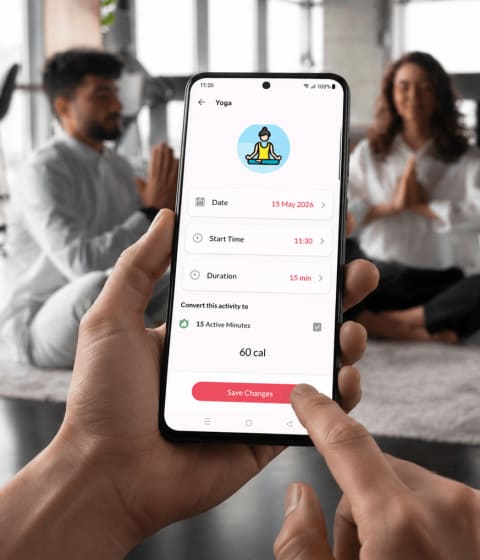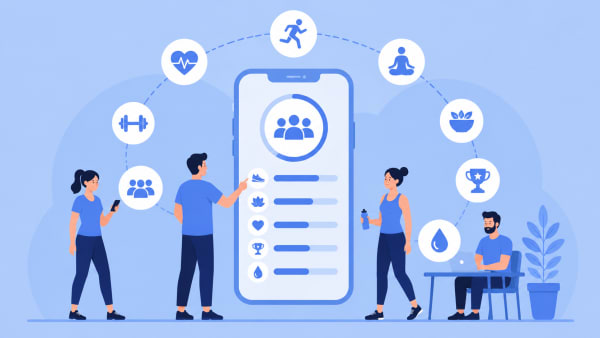

Wellness games are the perfect harmony of play and purpose: structured, play-based activities that nurture employee health at work across physical, mental, social, and emotional well-being. They range from five-minute desk resets to six-week team challenges, like step contests, mindful-minute breaks, and wellness bingo.
Plus, they pay off: research published in Health Affairs found that medical costs fall about $3.27 for every $1 spent on workplace wellness programs.
Unlike traditional wellness initiatives, these thoughtfully designed activities foster the development of enduring healthy habits. They help build camaraderie, creating stronger bonds among colleagues along the way.
Versatile and inclusive, these games accommodate any schedule, team dynamic, or fitness level, from five-minute tasks to weeks-long challenges. They nurture various dimensions of well-being: physical, mental, social, and emotional (you name it, these games have it).
Take, for instance, the “Mindful Minutes Game” we ran at Vantage Fit. Employees dedicated five minutes daily to mindfulness practices such as meditation, deep breathing, or journaling. The outcome? Within a month, stress levels dropped significantly, and colleagues started sharing their techniques and supporting one another.
Therefore, to help you bring this sense of adventure and connection to your team, we’ve compiled a list of 30 wellness games and activities that employees will love.
All the games are designed with intention, addressing different areas of health, from boosting physical activity and mental resilience to strengthening social bonds and encouraging self-care.
Ready to get started? Let the games begin!
30 Wellness Games Your Team Will Love
The best workplace wellness games are the ones employees genuinely want to participate in. Some encourage movement and healthier routines, while others focus on stress relief, creativity, or team connection. The key is choosing activities that match your team’s energy, work style, and level of engagement.
Here are 30 workplace wellness games, organized by category, that bring more energy, participation, and connection into everyday work routines.
Physical Wellness Games
These activities encourage movement, exercise, and healthier daily routines. They are especially useful for reducing sedentary behavior and helping employees stay energized during work hours.
1. Step Challenge

Step Challenge turns the ordinary act of walking into a workplace-wide movement, bringing energy and camaraderie to daily routines. George C. Halvorson, chairman and CEO of Kaiser Permanente, highlighted its impact: “Walking 30 minutes a day, five days a week, can cut new cases of diabetes in half.”
Halvorson adds that “you can achieve the same benefits by breaking it into two 15-minute walks, one in the morning or around midday and the other in the evening.”
Why Choose this Game?
- Simple to Play: Track steps using fitness apps or trackers, no special equipment or skills needed.
- Inclusive for all, remote or office-based, active or beginner. Plus, there are countless health benefits!
Required no. of Participants: Individuals or teams of 4-6 members
What You Need: Fitness trackers/smartphones, a step-tracking app or program
How to Host?
- Set a timeline, typically 4-6 weeks. Decide whether participants will compete individually or in teams.
- Start with achievable daily step count targets (e.g., 7,000-10,000) to encourage participation.
- Encourage participants to track their daily steps using fitness apps or devices. For seamless tracking, consider apps with automated step-counting features.
- Create mini challenges, like “most steps in a day” or themed walking days.
- Recognize achievements with small prizes, like gift cards or shoutouts in team meetings.
Create alternatives like seated exercises or virtual step equivalents for inclusivity.
Try 'Walk and Talk' meetings or themed days like 'Retro Walk Wednesdays' with music from different decades.
To make the game more engaging, consider these variations:
For remote teams: Encourage virtual walks during breaks and online step-count sharing.
For different group sizes: Create categories based on activity levels (beginner, intermediate, advanced).
2. Cycle to Work: A Green Wellness Game
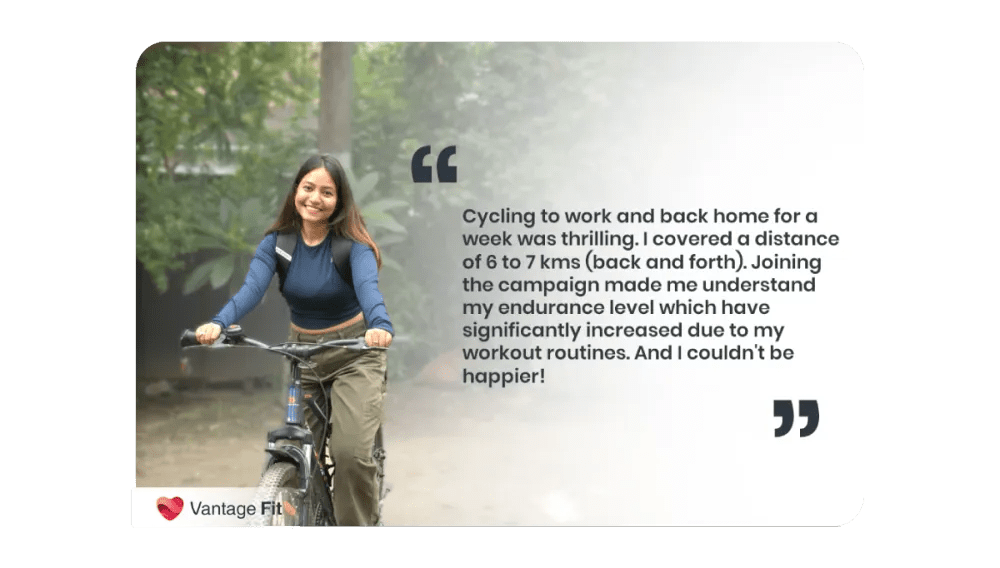
Cycling is one of the easiest ways to combine exercise with everyday routines, making it a natural fit for workplace wellness. The Cycle to Work Challenge turns the daily commute into a fun, health-focused activity that benefits employees and the environment.
That said, daily cycling isn’t feasible for everyone due to factors like distance or logistics. A more practical alternative is hosting Fun Friday Rides. Employees can leave their petrol-driven vehicles at home each Friday and opt for bicycles instead.
The research titled ‘Concurrent strength and sprint training increases resting metabolic rate in masters road cyclists’ by Dr. Luke Del Vecchio of Southern Cross University reveals that combining cycling with sprints and strength training can help boost metabolism and build muscle, allowing one to burn more calories, even at rest.
Why it’s worth it?
- Cycling helps the planet, promotes fitness, and fosters team bonding in a fun, memorable way.
Materials Required: A bike, a helmet, knee pads, a tracking app, and a spirit for adventure!
How to Host?
- You can ask employees to bring their bicycles to the office that day. Employees can cycle some miles within a particular time frame.
- Ask them to use a wellness app to track their miles.
- The one with the highest miles (within the given time frame) on their track board wins.
Launch a Cycle to Work Challenge for your employees. Works for in-office, hybrid, and remote teams.
3. 7-Minute Workout Challenge
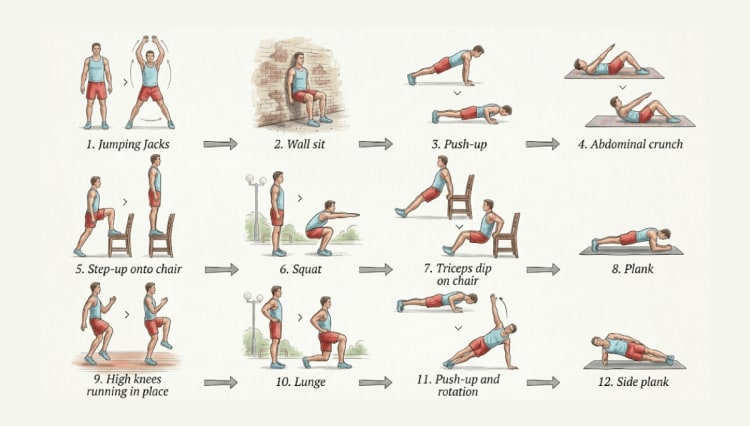
Designed by exercise physiologist Chris Jordan in a 2013 study published in the American College of Sports Medicine’s Health and Fitness Journal, the 7-minute workout includes twelve high-intensity bodyweight exercises performed sequentially. Backed by science, it’s an efficient way to improve muscle strength, endurance, and aerobic fitness.
In just 7 minutes, employees can break a sweat, feel energized, and enjoy a quick morale boost. Who knew fitness could fit so seamlessly into a busy day?
Why it’s worth it?
A study by Lama Mattar et al., published in the National Library of Medicine, found that a seven-minute exercise routine over six weeks reduced the waist by 4 cm and decreased BMI by 0.3 percent for 29 of 33 participants.
Moreover, both on-site and remote employees can perform it.
Required Number of Participants: Ideal for teams of 2 or more.
Materials Required: Workout attire and a timer.
Time Limit: 7 minutes
How to Play?
- To complete this task, everyone participating in this challenge can use the 7-minute workout challenge feature in the Vantage Fit app.
- The one completing all the exercises ideally and without a pause wins.
Download your free copy of the Vantage Fit 7 min workout guide. It comes with detailed instructions and illustrations.
4. Squat Challenge
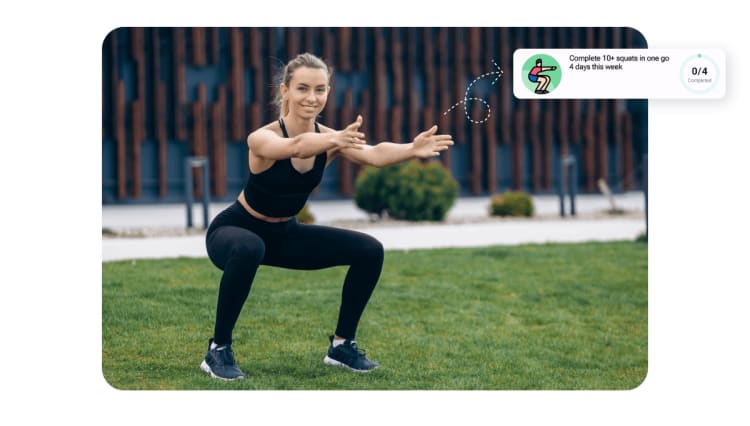
The Squat Challenge is a fast-track way to improve lower-body strength, posture, and spinal health.
Why Squats?
Studies cited by fitness expert Nicholas Rizzo revealed that men gained 7.7% in bone density and women improved by 1.5% after performing squats 3 times a week. This simple exercise offers lasting health benefits when practiced regularly.
Fitness experts recommend performing three sets of 12–15 reps at least two to three times per week. This frequency promotes strength and endurance gains while allowing sufficient recovery time.
Required Number of Participants: Get all your employees onboard!
Materials Required: Comfortable attire and a clear space.
Time Limit: 5–10 minutes
How to Host?
- Set a target of 3 sets of 12–15 reps twice or thrice weekly. Run the challenge for 30 days.
- Use squat-tracking apps to keep track of each participant’s progress.Our in-house wellness platform has a great squat tracker that records your squats using motion sensors. Here's how.
- Reward high achievers with small perks like fitness accessories or gift cards.
5. Desk Stretch & Posture Break
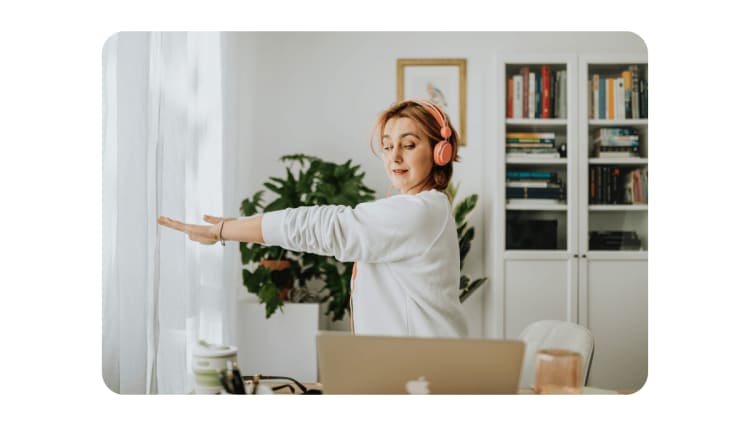
Most of us spend the workday hunched over a screen, and our necks and lower backs quietly pay the price. A Desk Stretch & Posture Break flips that, with short guided stretches employees can do right at their desks. No gym, no change of clothes, no excuses.
Why it's worth it?
Movement breaks are not just feel-good. In the CDC's Take-a-Stand Project, simply alternating between sitting and standing cut employees' upper-back and neck pain by 54% in four weeks. Tellingly, those gains faded within two weeks of stopping, which is exactly why a recurring challenge beats a one-off.
Required Number of Participants: Individuals or whole teams
Materials Required: A clear space beside the desk; an optional stretch guide or short video
Time Limit: 2 to 5 minutes, once or twice a day
How to Host?
- Pick two or three desk-friendly stretches: neck rolls, shoulder openers, a seated spinal twist, a standing hip stretch.
- Set a recurring prompt, like a 3 pm "stand and stretch" ping in Slack or Teams.
- Ask employees to tick off each session, individually or as a team streak.
- Run it for two weeks and fold it into a wider office fitness challenge for momentum.
- Recognize the most consistent stretchers with a small reward.
Pair the stretch with a posture reset: feet flat, screen at eye level, shoulders down. A quick "posture check" callout costs nothing and sticks.
6. Water Challenge
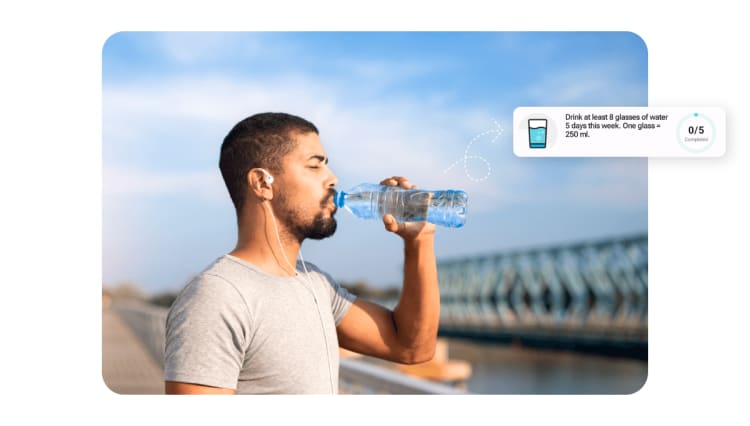
It is the simplest healthy habit and the easiest one to forget on a busy day. A Water Challenge nudges employees toward a daily water goal and turns staying hydrated into a shared, lightly competitive ritual.
Why it's worth it?
Even mild dehydration takes a toll on focus. Research by Ganio and colleagues found that mild dehydration impaired vigilance and working memory and increased tension, anxiety, and fatigue. A glass of water, it turns out, is one of the cheapest productivity tools you have.
Required Number of Participants: Individuals or teams
Materials Required: A reusable water bottle; a tracking app or shared sheet
Time Limit: A daily goal, run over one to four weeks
How to Host?
- Set a sensible daily target (for many adults, roughly 6 to 8 glasses, adjusted for activity and climate).
- Ask participants to log each glass in an app or a shared tracker.
- Add hourly hydration breaks or a gentle reminder ping to build the habit.
- Reward streaks: most consistent week, best team average, biggest improvement.
- Offer fun prizes like a branded bottle or a "hydration hero" shoutout.
Infused-water Fridays (cucumber, mint, citrus) make the goal feel like a treat rather than a chore.
7. Virtual Stretching Challenge
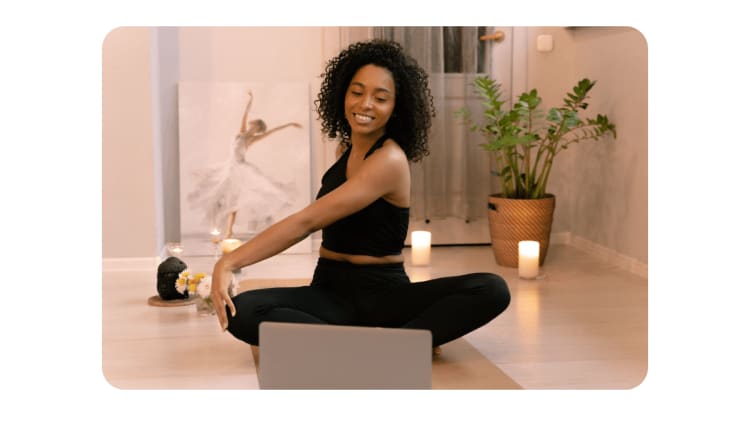
Virtual stretching challenges provide a fun and effective way to combat sedentary issues.
According to Harvard Health, regular stretching keeps muscles flexible and healthy, which is what preserves range of motion in the joints.
Skip it and muscles shorten and tighten, raising the risk of joint pain, strains, and injury. That hits desk workers hardest: a full day in a chair leaves hamstrings tight and movement stiff, and a few consistent stretches are enough to ease it.
Required Number of Participants: Ideal for 5 to 20 participants but scalable for larger groups
Materials Required: Yoga mat, stable internet connection, stretching guides/videos
Time Limit: 10 to 15 minutes per session
How to host?
- Start by introducing the challenge in a virtual meeting. You can invite a wellness coach or physiotherapist to lead a brief demo session.
- Create a challenge like “Stretch for 5 minutes, 3 times a day” or “Complete a guided 15-minute stretch every morning.”
- Share videos or guides with easy-to-follow stretches.
- Assign points for each completed session (e.g., 1 point per 5 minutes of stretching).
- Announce winners in categories like "Most Consistent," "Top Stretch Master," or "Biggest Improvement."
- Offer rewards like ergonomic equipment, fitness subscriptions, or gift cards.
8. Grow Your Vegetables

Growing vegetables is a hands-on way to encourage healthier eating.
According to a study by Ghada A. Soliman et al., a workplace program that had gardening as an activity led to a noticeable increase in vegetable consumption among employees. It’s a practical activity that supports better dietary choices while offering a refreshing break from daily routines.
How to Host?
- Give small planters, seeds (like herbs, tomatoes, or peppers), and soil. Provide a quick virtual or in-person guide on planting and basic care.
- Ask participants to share photos or videos of their plants’ progress.
- Celebrate by sharing recipes or dishes made with homegrown veggies.
Mental & Emotional Wellness Games
Designed to support stress management, emotional balance, and mental clarity, these activities work particularly well during demanding work periods or organizational transitions.
9. The Feeling Wheel
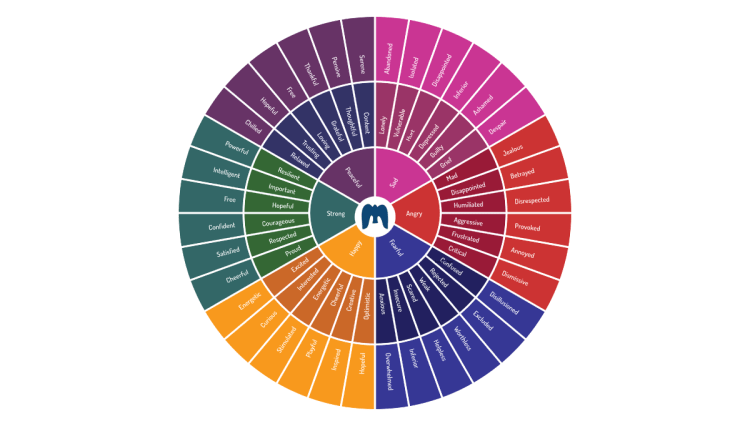
Salovey and Mayer once said, “The ability to identify one’s emotions is a skill related to emotional intelligence.” For those who find it challenging to recognize or name their emotions, the Feeling Wheel, designed by Gloria Willcox in 1982, offers a helpful tool for self-awareness.
It features 72 feelings, organized into six categories (angry, sad, scared, joyful, peaceful, and powerful) and is visually represented as a colorful pie, making it especially helpful for those who struggle to articulate their feelings.
In the workplace, the Feeling Wheel can create a space where employees feel psychlogically safe and supported in sharing their emotions, emotions that are often left unaddressed.
How to Host?
- Create a safe, open environment where employees feel comfortable participating. Let them know that the goal is to foster emotional awareness and open dialogue without judgment.
- Introduce the Feeling Wheel and explain what it is and how it can help employees identify and express their emotions.
I suggest providing a printed or digital copy to everyone for reference like this.
- Give employees a few minutes to reflect on their emotions.
- Ask them to share what they’ve identified in small groups or as a larger team. They can share their feelings openly or, if they prefer, anonymously via written submissions.
- Offer tokens of appreciation after the session is over.
10. Mindful Minutes (Deep Breathing)

This one closes the loop on the Mindful Minutes idea from the top of this post. Set aside a few minutes for the whole team to pause and breathe together, using a simple guided pattern like box breathing: inhale for four counts, hold for four, exhale for four, hold for four.
Why it's worth it?
Slowing the breath is one of the fastest ways to settle a stressed nervous system. A study by Perciavalle and colleagues found that deep breathing improved mood and lowered salivary cortisol levels, the body's main stress hormone. A few intentional minutes can rescue a frazzled afternoon.
Required Number of Participants: Individuals or groups of any size
Materials Required: A quiet space; an optional guided audio or timer
Time Limit: 3 to 5 minutes
How to Host?
- Block a short, recurring slot (the start of a meeting or a 4 pm reset both work well).
- Guide the team through box breathing: inhale for four, hold for four, exhale for four, hold for four. Repeat for a few rounds.
- For remote teams, run it on a video call with a shared timer or calming track.
- Invite anyone who wants to share how they feel afterward, with zero pressure to do so.
- Make it a daily streak and pair it with other mental health games for a fuller program.
New to breathwork? A visual "breathing square" on screen helps everyone keep the rhythm without overthinking it.
11. Laughter Yoga
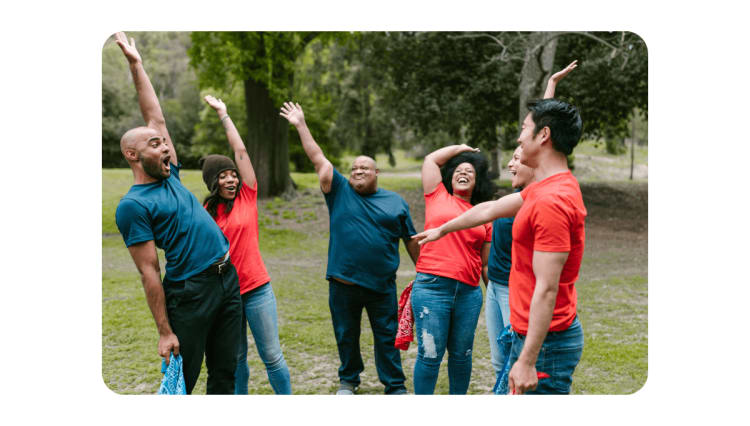
Laughter Yoga blends playful laughter exercises with deep yoga breathing techniques. This unique combination helps participants relax, release tension, and reconnect with their inner joy.
Why it’s worth it?
Research by Aslı Si̇s Çeli̇k et al., shows that laughter yoga can boost the immune system by increasing endorphin levels while lowering stress hormones like cortisol and epinephrine.
Material Required: a quiet space, mats, water bottles
No. of participants: Ideal for groups of 5 to 20, but works for larger teams as well
Duration: 30 to 45 minutes
How to Host?
- Choose a comfortable, open space where employees can move freely. If virtual, ensure participants have enough room at home to stretch and laugh without interruptions.
- Begin with a light-hearted activity, like sharing the funniest thing that happened recently or mimicking silly laughter sounds.
- Lead participants through various laughter exercises, such as Lion Laughter, Greeting Laughter, laughter while shaking hands, and Silent Laughter.
- Conclude with breathwork and stretching exercises.
- Celebrate the team or individual who spread the most joy during the session with quirky trophies.
12. Hypnotic Meditation
Hypnotic meditation is a guided relaxation technique that helps employees reach a state of deep focus and calm. Widely used in corporate settings, it is especially effective in improving sleep quality, an essential factor for mental clarity and cognitive performance.
A study by Sarah C.P. Williams, published in Stanford Medicine, found that employees who practice hypnotherapy experience better sleep patterns. This leads to increased energy levels and boosted productivity during their workdays.
Materials Required: Mats, noise-canceling headphones, blankets, eye masks, audio/video resources
No. of participants: Ideal for groups of 5 to 20 participants
Duration: 20 to 30 minutes per session
How to Host?
- Arrange a calming space with all the required materials.
- Begin with a brief explanation of hypnotherapy and its benefits.
- Have a certified hypnotherapist lead the session, or use a high-quality guided recording. Encourage participants to focus on the hypnotic prompts and visualize calming scenarios.
To help you out, I suggest listening to Andrew Major’s Guided Hypnosis Meditations Playlist. It has helped a lot of people in dealing with mental health issues.
- Give away small prizes to everyone. It could include stress-relief items like fidget spinners, essential oils, or calming teas.
13. Digital Detox
Let me tell you a fact: Reed Hastings, the former CEO of Netflix, once said that sleep was their biggest competitor. Can you imagine? We’ve undoubtedly become "screen zombies," often glued to our devices for hours.
And for many employees, being in front of a screen all day is part of their job. But here’s the good news: you can help!
A study by Roy N. Ramadhan et al., published in the National Library of Medicine, revealed that digital detox interventions can significantly reduce depressive symptoms and improve cognition.
Number of Participants: Ideal for teams of 5 or more, but can be adapted for smaller groups
Duration: 30 minutes to 1 hour for the detox session, followed by a brief reflection period
How to Host?
- Please set up a space where participants can disconnect from their devices.
- Ask them not to check emails, social media, or digital devices for a period.
- Please encourage them to engage in doing something they like. It could be reading a book, walking, talking to each other, whatever feeds their soul.
- Use a timer to track the detox period. At the end of the week, gather the group to reflect on their experience.
- Offer small, light-hearted wellness gifts like stress balls, herbal teas, or a “digital detox champion” certificate for those who stayed off their devices the longest.
14. Gratitude & Kudos Wall
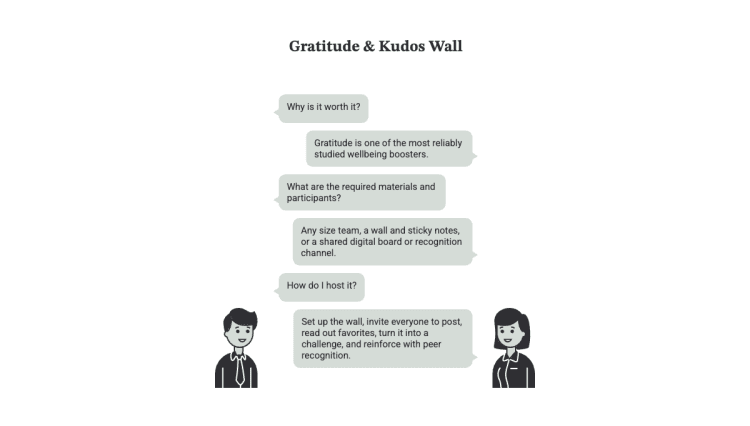
A Gratitude & Kudos Wall gives people a dedicated space, physical or digital, to post thanks, shoutouts, and small wins. Over a week it fills into a visible reminder of everything the team is getting right.
Why it's worth it?
Gratitude is one of the most reliably studied wellbeing boosters. In the landmark research by Emmons and McCullough, people who regularly recorded what they were grateful for reported greater wellbeing and fewer physical complaints than those who did not. At work, that shows up as recognition people actually feel.
Required Number of Participants: Any size team
Materials Required: A wall and sticky notes, or a shared digital board or recognition channel
Time Limit: Ongoing, with a weekly highlight
How to Host?
- Set up the wall: a corkboard in the office, or a pinned channel for remote teams.
- Invite everyone to post a thank-you, a kudos, or a small win each day.
- Read out a few favorites in your weekly catch-up.
- Turn it into a streak or a month-long gratitude challenge to keep it alive.
- Reinforce it with peer recognition points or badges so appreciation becomes part of the culture.
Prompt cards help on quiet days: "Who made your work easier this week?" or "What is one win we almost forgot to celebrate?"
15. What made You Smile Today?
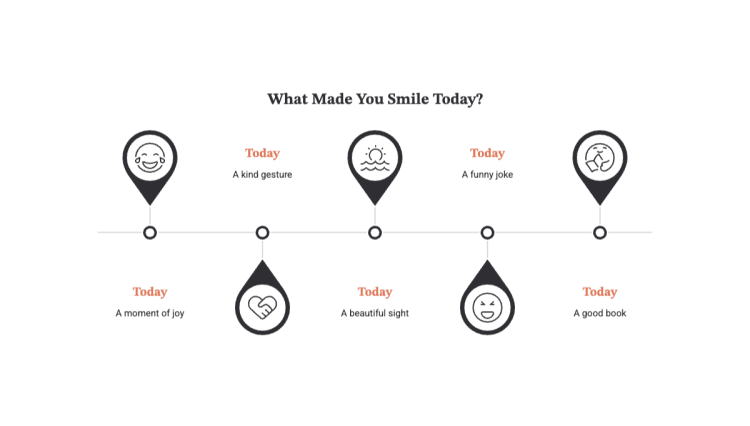
We all have those little moments in our day that bring a smile to our faces. This game is a simple way to pause and reflect on those.
A study published in the Journal of Happiness Studies found that people who frequently reflect on positive experiences report higher life satisfaction and lower levels of depression.
What to do?
- Ask employees to take a quiet moment each day to recall something that made them smile, whether small or ordinary.
- Provide tools where they can jot down their reflections privately.
- Create an optional, safe space for sharing where employees can anonymously post their "smile moments."
- Encourage employees to review their week’s notes to reflect on the positivity they’ve experienced and carry it forward.
After all, a smile is contagious, and sometimes, it’s the little things that make all the difference.
16. Mental & Emotional Wellness Bingo
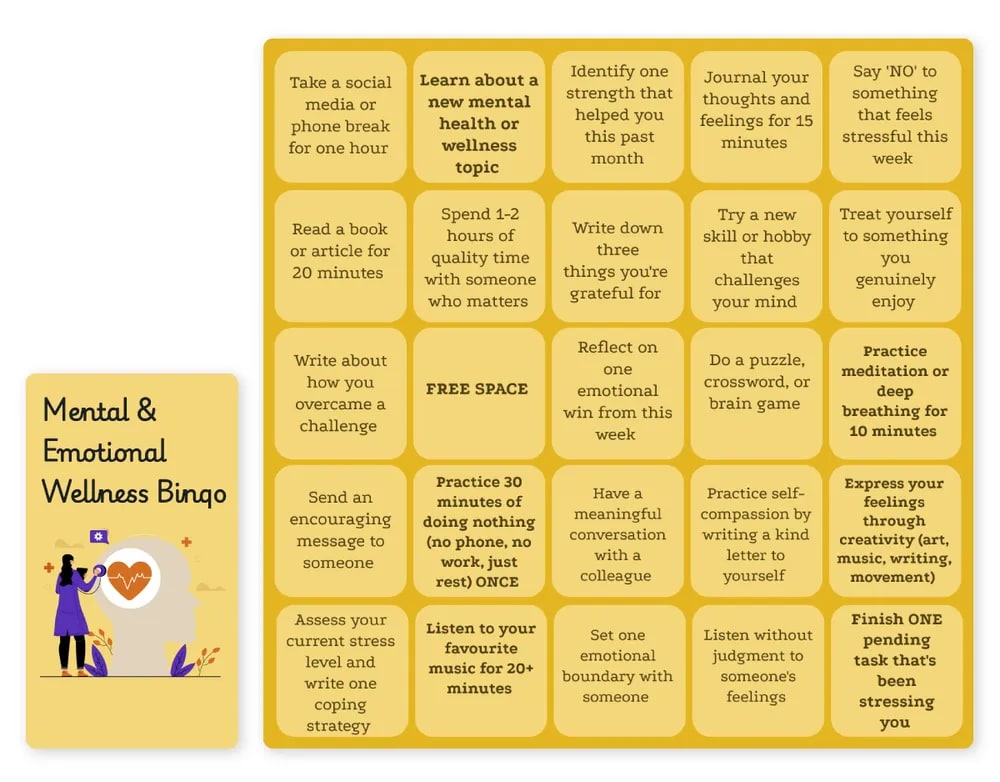
Mental & Emotional Health Bingo turns self-care into a fun, engaging gamified activity. The game features bingo cards filled with emotional-regulatory, mindfulness-based tasks like "Setting boundaries," "Trying out a new hobby," or "Assessing one's stress levels and noting down one coping strategy."
As employees complete these tasks, they mark off their cards, making self-care a fruitful experience.
Why it's worth it?
A 2015 study published in the National Library of Medicine found that team-building activities like bingo significantly improve cognitive function and social engagement. This makes it an effective tool for cognitive rehabilitation and fostering connections.
17. Self-Compassion Ritual
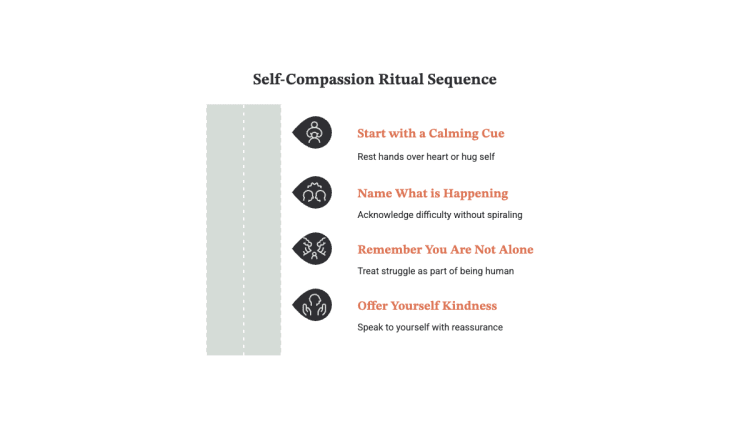
A self-compassion ritual is a short, repeatable practice that swaps the harsh inner critic for the kind of patience you would naturally offer a friend. It pulls together three well-studied ideas, mindful awareness, a sense of shared humanity, and physical comfort, and turns them into something employees can do quietly at their desk.
It helps on the days that need it most: a missed deadline, a rough stretch, the early signs of burnout. Here is a simple four-step version teams can follow.
How to do it?
- Start with a calming cue. Rest both hands over your heart, or give yourself a gentle hug, and notice the warmth. That small gesture nudges the body's calming (parasympathetic) response right where the tension is sitting.
- Name what is happening. Acknowledge the difficulty without spiralling into it. A quiet, honest note to yourself is enough, something like "this is a hard moment" or "I am feeling stretched thin."
- Remember you are not alone. Treat struggle, mistakes, and self-doubt as part of being human rather than personal failings. A line like "everyone hits moments like this" takes the sting out of feeling isolated.
- Offer yourself kindness. Finally, speak to yourself the way you would reassure a colleague in the same spot. Short phrases work well: "I can be patient with myself," or "I am allowed to be a work in progress."
Mary Oliver's poem 'Wild Geese' is a gentle reminder that no one has to be perfect, and that simply showing up and trying is enough. It makes a fitting close to a self-compassion session, so consider sharing it with the team.
18. Vision Board Workshop
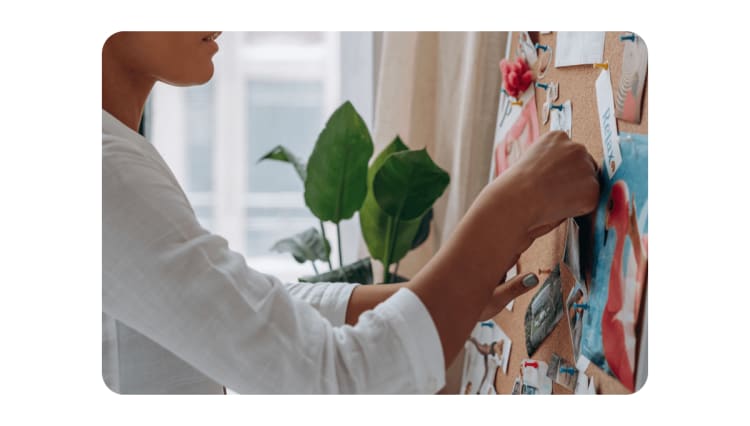
Every big dream starts with a small step; sometimes, that step is simply imagining what’s possible. And building one’s personal vision board might be the bridge to one’s dreams.
A vision board reflects one's aspirations, hopes, and the life one wants to build. People who visualize their goals through vision boards are more likely to achieve them. Why? Because seeing one’s dreams laid out in front of one makes them feel real and tangible.
Materials Required: Art supplies or Digital tools (for a virtual vision board)
Time Required: 90 minutes
How to host?
- Gather participants in a comfortable space, whether in-person or virtually. Could you encourage them to explore their goals?
- Provide vision board essentials: magazines, scissors, glue, markers, and poster boards (or virtual tools if hosting online).
- Begin the session by inviting participants to reflect on their personal and professional goals.
- Allow participants to sift through magazines or images online, finding pictures, words, and phrases that resonate with their aspirations. Encourage creativity and personal expression, this is their unique vision!
- To keep the energy positive and engaging, offer small, meaningful prizes, perhaps a journal or motivational book.
When run as structured, ongoing wellness challenges, these games do more than spark initial interest. They help build lasting wellness habits.
Social & Team-Building Games
Team-focused activities help employees communicate better, strengthen workplace relationships, and build a stronger sense of connection across departments.
19. Office Olympics
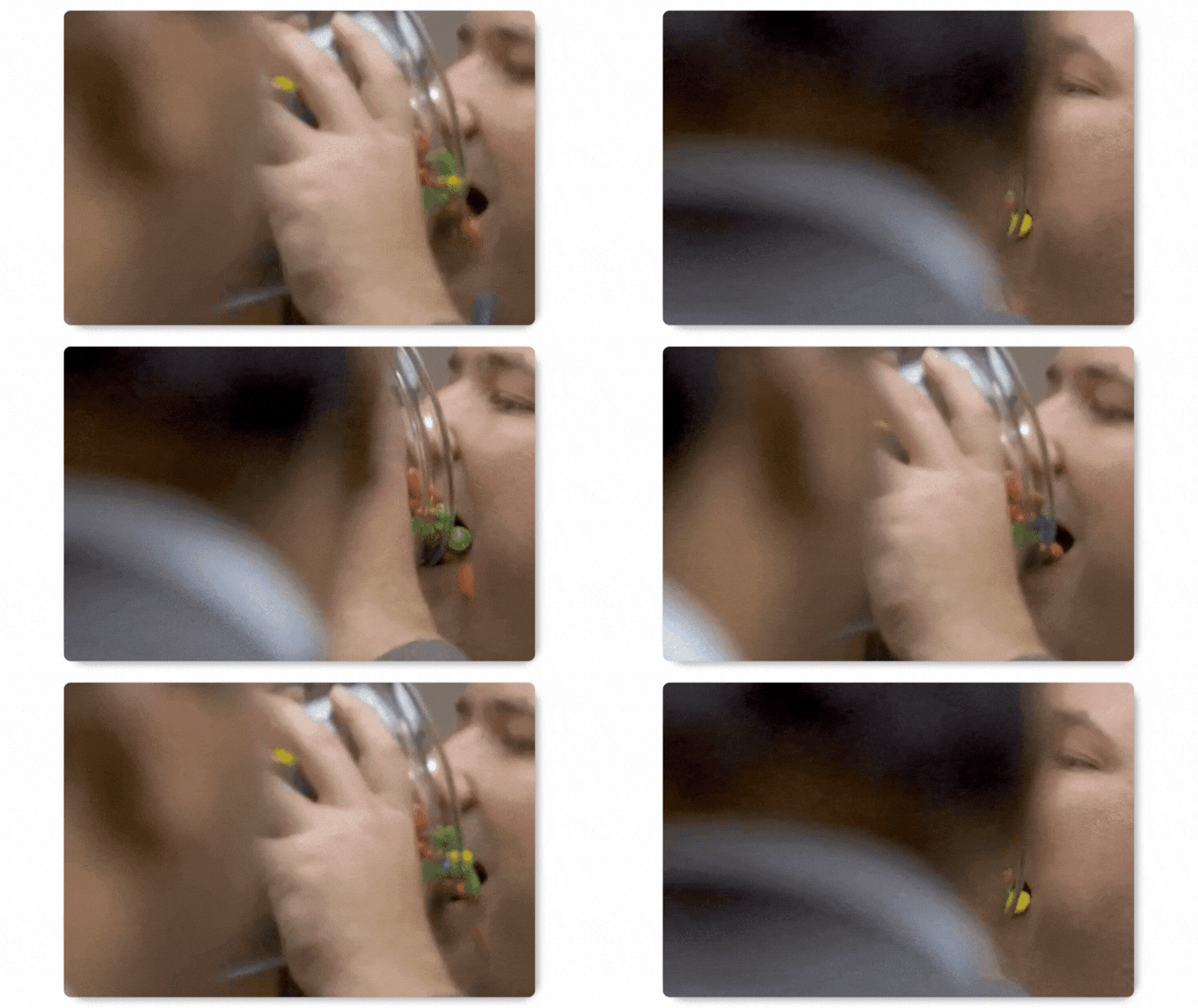
Inspired by the beloved U.S. television series The Office, Office Olympics brings fun and physical activity to the workday. Designed to break the cycle of sedentary desk work, these events allow employees to engage in light, enjoyable competitions like relay races, mini-golf, and more.
Why it’s worth it?
A great example comes from the University of Iowa Health Care’s version of hosting the game. They organized simple daily activities like walking, drinking water, taking the stairs, and eating fruits and vegetables.
And you know what? More than 85% of employees in the unit took part in their Office Olympics, showing how fun, structured challenges can inspire healthier habits that last long after the event ends.
Required Number of Participants: Your entire office crew!
Materials Required: Office supplies like chairs, paper, water bottles, or small game props.
Time Limit: Around 60 minutes
How to Play?
- Divide into teams.
- Invent hilariously unconventional games like "Desk Chair Dash" or "Cubicle Hurdles."
- Engage in some friendly competition, score points, and name the ultimate office champ.
- Celebrate the victors, but remember, the real prize is a day filled with laughter and lasting memories.
Hosting Office Olympics at Vantage Fit allowed our team to hit ‘pause’ on their hectic routines. The energy in the office was contagious, and for those few hours, we all rediscovered the simple joy of movement and connection, which made coming back to work feel just a little bit lighter.
– Anjan Pathak, CTO, Vantage Fit
20. Office Scavenger Hunt

Turn your office into a playground of riddles and discoveries with an Office Scavenger Hunt. Teams work together to solve clues, track down hidden items, and complete quirky challenges, transforming an ordinary workday into an exciting adventure.
Employees brainstorm, strategize, and communicate as they race against the clock to crack each clue. It’s a chance to boost morale while fostering teamwork and creativity in a relaxed, enjoyable setting.
Required Number of Players: Teams of 4 to 5 members
Materials Required: Scavenger hunt list, pens, paper, clues, trophies
Time Limit: 30-60 minutes
How to Host?
- Divide participants into teams of 4 to 5 members.
- Please list items or tasks each team must collect or perform.
- Set a time limit (30-60 minutes) for the scavenger hunt.
- With every task done, teams unlock the clue to their next trophy.
The team that uncovers the most items or finishes the most tasks within the time limit wins.
21. Acts of Kindness (Compliment Chain)
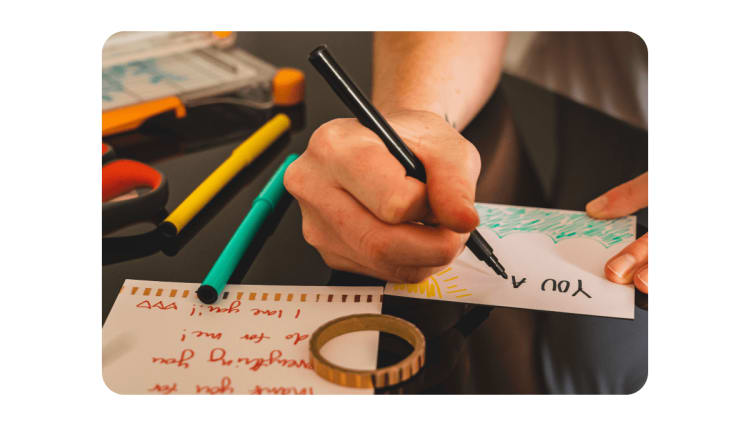
Small gestures travel further than we think. The Compliment Chain is a simple game where each person gives a genuine, specific compliment or thank-you to a colleague, who then passes one on, building a chain of recognition across the team.
Why it's worth it?
Kindness is good for the giver, not just the receiver. A study by Rowland and Curry found that performing small acts of kindness for seven days measurably increased participants' happiness, and the more kind acts people did, the bigger the boost. At work, that compounds into warmer teams and steadier day-to-day morale.
Required Number of Participants: Any size team
Materials Required: A shared channel, a board, or sticky notes
Time Limit: 10 to 15 minutes, or run it across a full day
How to Host?
- Kick off by having one person give a specific compliment or thank-you ("Thanks for catching that bug before launch").
- That person passes a compliment to someone else, keeping the chain unbroken.
- For remote teams, run it in a dedicated Slack or Teams channel with a kindness emoji.
- At the end, celebrate the chain and the people who showed up for each other.
Keep compliments specific and effort-based. "The way you calmed that client call was impressive" lands far harder than a generic "great job."
22. Escape Rooms

Picture this: Your office transforms into a mysterious place filled with puzzles to solve. Your task is to crack codes, discover clues, and escape from a themed room within a time limit.
It's a thrilling challenge that tests one’s wits and collaboration while racing against the clock.
Required Number of Participants: Ideal for teams of 4 to 8 members
Materials Required: Clues, props, and themed rooms
Time Limit: It takes around 60 minutes to escape the room
How to Play?
- Choose an escape room theme and set up the rooms with exciting clues, puzzles, and tasks.
- Divide the participants into teams and assign them to different rooms.
- Brief the teams on the rules, objectives, and the storyline behind the escape room adventure. Provide hints and support as needed. Give a time limit.
- The team that completes all the tasks within the allotted time frame gets hold of the key and unlocks the door.
Offer the option to abort the game if a team feels they cannot continue. This is to ensure that everyone is comfortable and enjoys the experience.
Creative & Cognitive Games
These games stimulate creativity, learning, and problem-solving while giving employees a break from routine work tasks. They fit well into mid-week engagement sessions or collaborative team events.
23. Expressive Artistic Spree
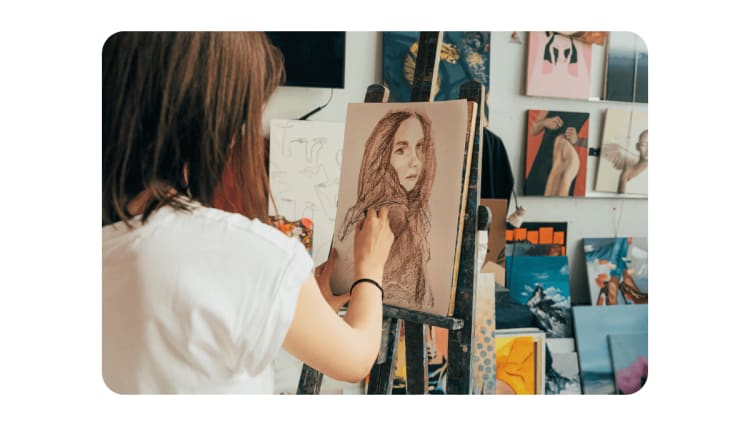
Painting, drawing, sculpting, or other creative activities can be an excellent way for employees to relax and explore their emotions. Wellbeing specialist Sara Binger highlights that creating art can lower anxiety and promote a sense of calm.
Art is a powerful outlet for emotional release and self-discovery, especially for those who struggle to express their feelings verbally.
Materials Required: Art supplies of all kinds
Time Limit: 60 to 90 minutes
How to Host?
- Set a space. Provide art supplies like paints, brushes, markers, and paper or canvases.
- Explain the purpose of the session, using art to explore emotions and relieve stress. Turn it into a friendly competition by announcing a theme (e.g., "What inspires me?" or "A day at the beach").
- Once the art is complete, host a sharing round where participants can explain their creations (if they feel comfortable doing so).
Add a light-hearted voting element, such as “Most Creative,” “Most Uplifting,” or “Best Use of Colors.”
- Offer small, fun prizes or tokens for the winners.
24. Themed Trivia
Themed Trivia is a fantastic way to sharpen cognitive skills, promote teamwork, and uplift team morale while having a blast. A study by Alaa Abd-alrazaq et al., found that older adults who participated in trivia games experienced improved memory retention and cognitive function compared to those who didn’t.
Required Number of Participants: Small groups or the entire office – you decide
Materials Required: Quiz questions, pens, paper, and lots of enthusiasm
Time Limit: 45-60 minutes
How to Play?
- Pick a theme, like "TV Show Trivia" or "Football Quiz."
- Form teams of 3 to 5 members.
- Prepare fun trivia questions based on the chosen theme (varying in difficulty). After that, host the trivia rounds.
- Teams collaborate to answer within a time limit.
- After tallying the correct answers, declare the winning team based on the highest score.
Tap here to be redirected to an exciting trivia card game that you can purchase.
25. Digital Book Club
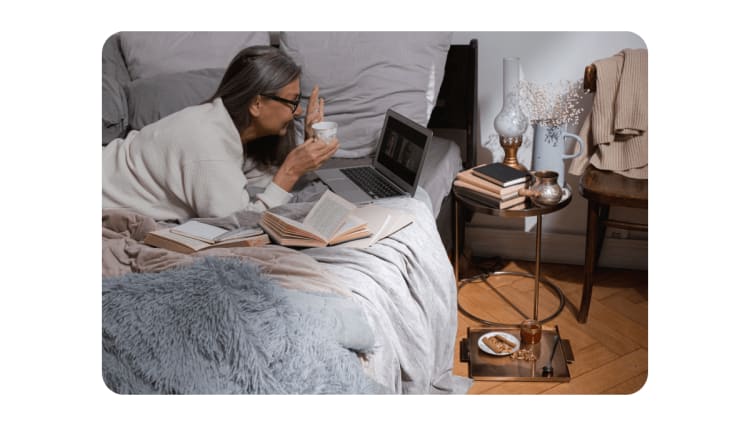
Books are an excellent way to expand knowledge and understanding. Hosting Virtual book clubs helps incorporate a variety of reading selections and introduce employees to different cultures and viewpoints.
This exposure fosters cultural comprehensibility and empathy, helping to build stronger connections among team members.
Required Number of Participants: The more diverse, the better
Materials Required: Books and Curiosity
Time Limit: 1 hour on weekends
How to host?
- Choose a book or a theme (e.g., "Books about overcoming challenges" or "Cultural perspectives") that sparks interest.
- Break the participants into small teams of 3-5 members. Each team will work together to read the book and prepare for discussions.
There’s no competition. Just bask in the glory of reading books and expanding minds.
- Offer small prizes like e-gift cards, extra break time, or book-related goodies to keep the fun going.
You can organize virtual interactive sessions with a local author to instill inquisitiveness among readers.
Remote & Hybrid Team Games
Built for distributed teams, these activities help remote employees stay connected without requiring a shared physical workspace. They are effective for improving participation and maintaining team interaction across locations.
26. Know Your Colleagues
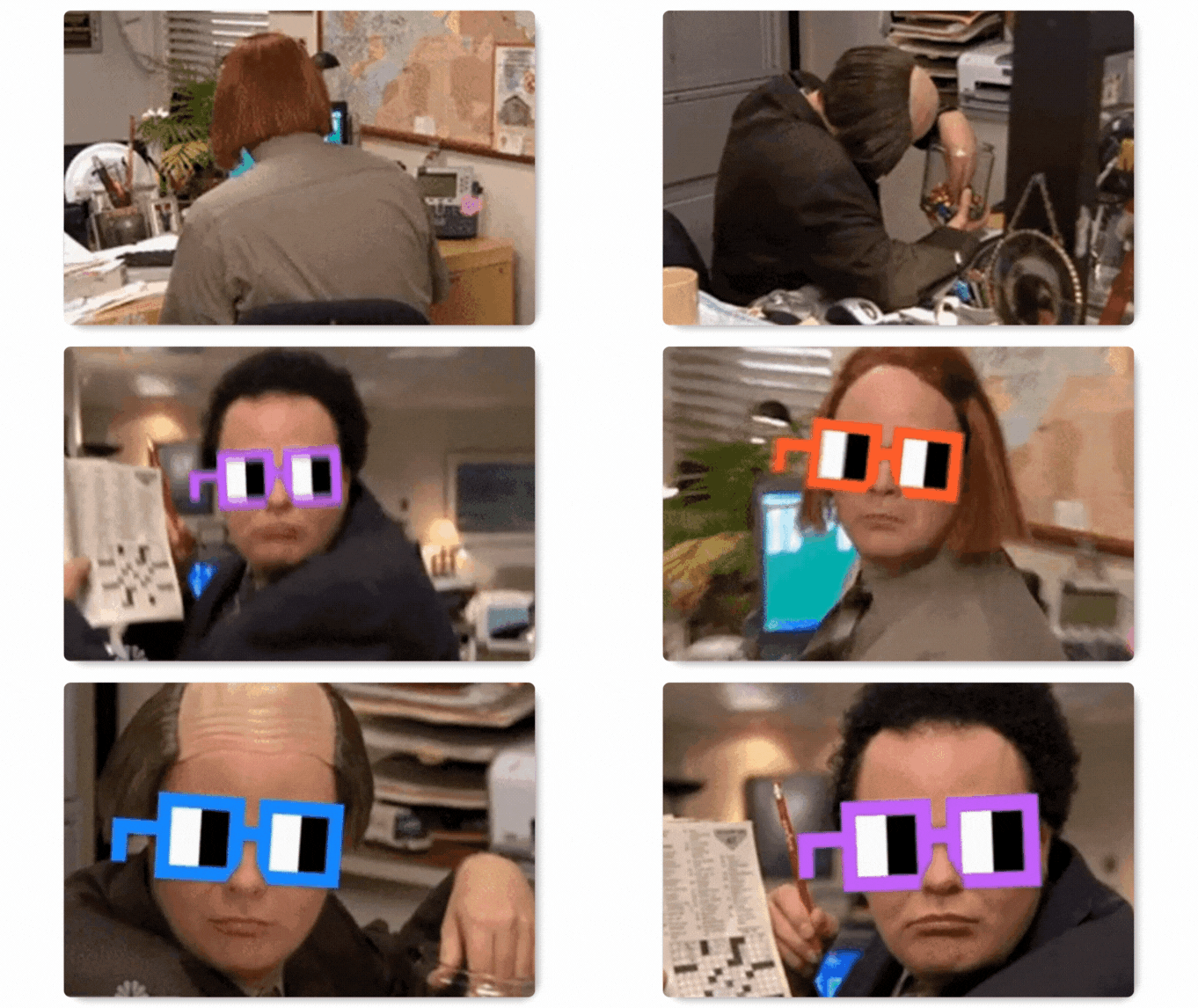
Are you concerned whether your employees feel like a Lone Ranger in your remote work setup? Then, "Know Your Colleagues" is your go-to solution. It sparks conversations, laughter, and shared moments, making remote workdays a tad brighter.
Required Number of Participants: All aboard, remote crew!
Materials Required: Any good video chat site/app.
Time Limit: 30 minutes
How to Host?
- Kickstart by letting your employees introduce themselves and having a friendly chat to shake off the remoteness.
- Employees share their bucket lists, likes/dislikes, hobbies, playlists, childhood photographs, and funny secrets with an assigned coordinator.
- The coordinator jumbles up everything and asks everyone to match it with the correct person.
The one with the most accurate guesses wins.
You can mix in a quick round of “Two Truths and a Lie” to keep the energy up.
27. Wellness Habit Bingo
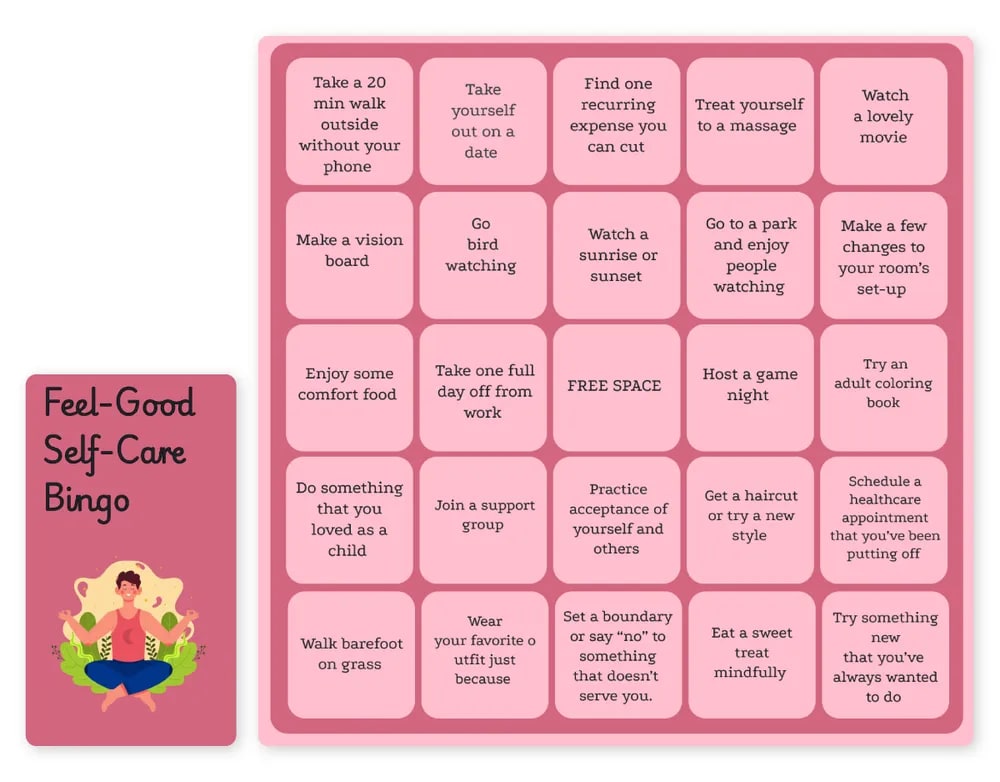
Swap the old number-calling bingo for a version that actually moves the needle on health.
In Wellness Habit Bingo, every square is a small wellbeing action: drink a glass of water, take a 10-minute walk, do a two-minute stretch, message a colleague a thank-you, log eight hours of sleep. Employees mark off squares as they complete the habits, racing to finish a row, a column, or a full card.
It keeps the luck-and-laughter fun of classic bingo while quietly building the daily habits wellness programs are really after. Because the squares are easy and varied, it tends to pull in people who would never sign up for a step challenge, which makes it one of the most inclusive games on this list.
Required Number of Participants: Any size, in-office, remote, or hybrid
Materials Required: Printed or digital bingo cards of wellness habits
Time Limit: Run it over a week or a month
How to Host?
- Build cards where each square is a healthy micro-action (hydration, movement, mindfulness, kindness, sleep).
- Share cards digitally for remote teams, or print them for the office.
- Ask employees to mark off squares as they complete each habit during the period.
- Reward the first to complete a line, a full card, or the most squares overall.
- For ready-made cards and ideas, see our full wellness bingo guide.
Try our in-house Wellness Bingo Template. Seven card variations, 25 activities each and expert-curated tips to help you run effective, participation-driven wellness challenges.
28. Skribbl
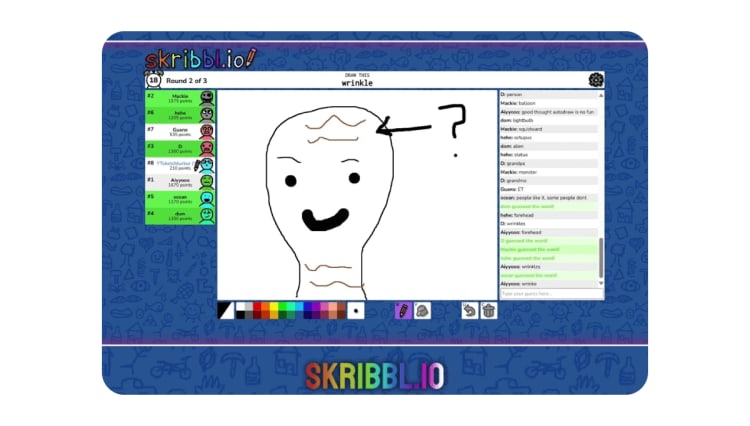
Skribbl is an online Pictionary game that involves drawing and guessing. This game takes a hilarious spin each time when colleagues come across each other’s ridiculous artwork! Everyone gets to unleash their creative juices and put their thinking caps on. Try it out. It’s really addictive, in a good way.
Required Number of Participants: The more, the merrier!
Materials Required: A device with internet access and a sense of humor.
Time Limit: Varies
How to Play?
- In each round, one person becomes the drawer and picks a word to draw from three choices.
- The chosen player draws the word on the screen, and others try to guess it.
- If you guess right, you get points, and so does the person who drew the picture.
- The game ends when all the rounds are done, and the player with the most points wins.
29. Two Truths and a Lie

"Two Truths and a Lie" is the ultimate game that intrigues remote work routines. This game is a virtual journey of discovery and deception! It’s a great way to know each other and dispel awkwardness.
Required Number of Participants: Everyone who loves a good mystery.
Materials Required: A video call platform and your creative storytelling skills.
Time Limit: About 20-30 minutes.
How to Play?
- Gather your remote team on a video call.
- Each participant takes turns sharing two true statements about themselves and one false statement. The catch? They should be tricky to guess!
- After sharing, the rest of the team takes their best shot at guessing which statement is the lie.
- Reveal the truth and award points for correct guesses.
The player who makes the most precise guesses emerges as the victor.
30. Virtual Heads Up
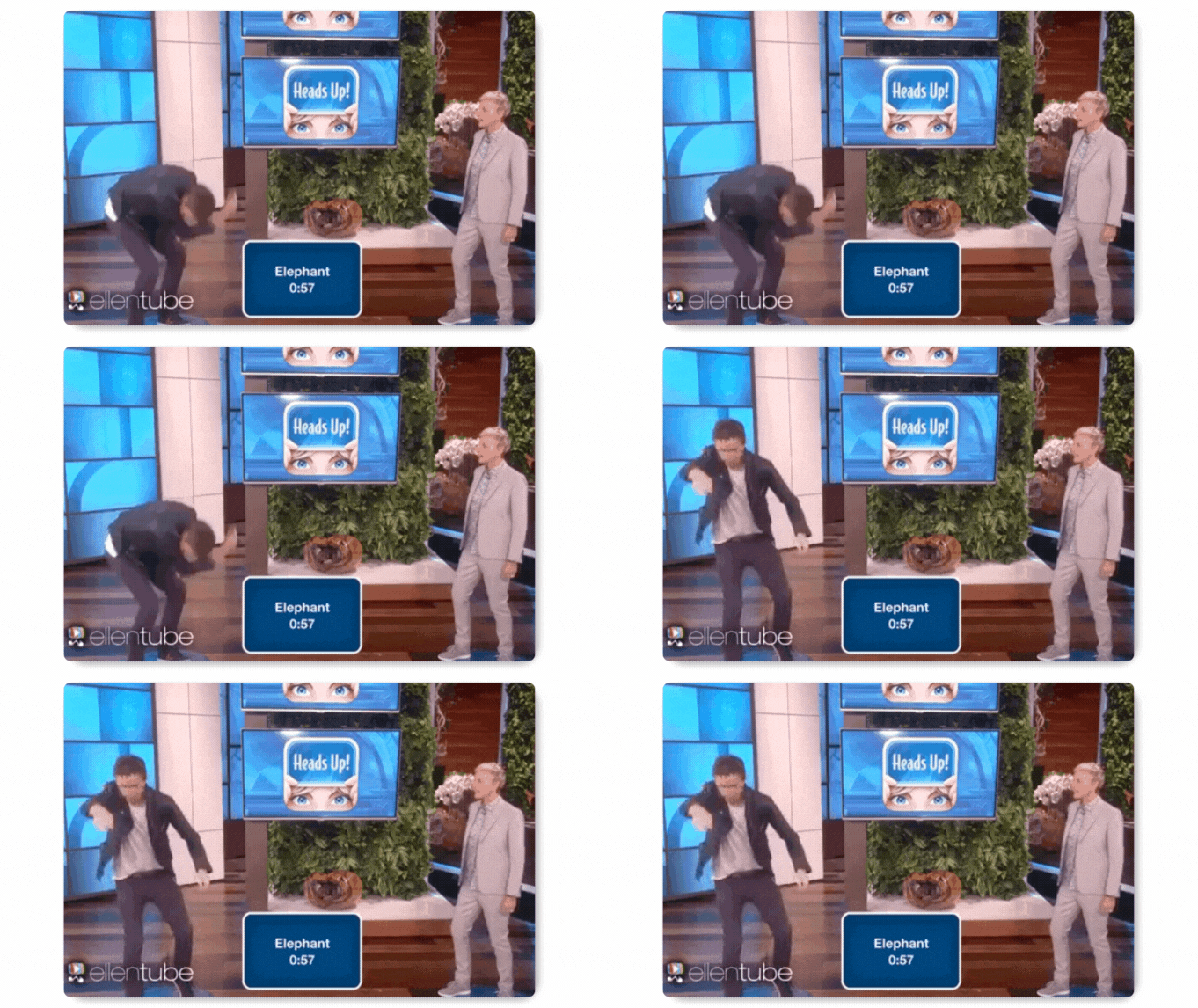
Ellen DeGeneres originally introduced this iconic game on her talk show. Since then, Heads Up has been an instant favourite among people. This electrifying Friday activity will instantly zap your boredom away!
Required Number of Participants: A minimum of two people.
Materials Required: Smartphones and Computers/Laptops.
Time Limit: Around 30 minutes
How to Play?
- Split into two teams, or play as one big group if your team is small.
- Each participant takes turns holding up their phone towards their computer screen with a word on their forehead while their teammates give clues.
- The catch? You can't see your own word! It's a race against the clock to guess before time runs out.
- Score points for each successful guess and crown the ultimate virtual Heads Up champion!
As an employer, you have the power to drive wellness at work. Which of these employee wellness games will you implement first? Let your team vote on their favorite!
How do you run wellness games at work?
Run wellness games by matching the game to a clear health goal, a format your team can actually join, and a simple way to track participation. Pick one physical, one mental, and one social game to start, set a short timeline (a single session up to a six-week challenge), make joining optional and low-pressure, and recognize finishers with small rewards.
The table below maps common game types to what they are best for and which work setups they fit.
| Game type | Best for | Format |
|---|---|---|
| Step & movement challenges | Physical activity, reducing sedentary time, friendly competition | In-office, remote, hybrid |
| Hydration & nutrition challenges | Daily healthy habits, energy and focus | In-office, remote, hybrid |
| Desk stretch & posture breaks | Easing neck and back strain, quick energy resets | In-office, hybrid |
| Mindfulness & breathing games | Stress relief, focus, emotional balance | In-office, remote, hybrid |
| Gratitude & kindness games | Morale, recognition, team connection | In-office, remote, hybrid |
| Wellness bingo & trivia | Habit-building, learning, broad participation | In-office, remote, hybrid |
| Team-building & social games | Communication, cross-department bonds | Mostly in-office; some remote |
Frequently Asked Questions
What are wellness games for employees?
Workplace wellness games are structured activities that encourage healthier habits while improving employee engagement and team interaction. These activities can focus on physical health, mental well-being, stress management, or social connection. Popular examples include step challenges, office olympics, digital detox activities, scavenger hunts, and virtual bingo.
What are good wellness team building activities?
Strong wellness team-building activities combine collaboration with movement, mindfulness, or problem-solving. Office Olympics, escape rooms, office scavenger hunts, and team step challenges work well because they encourage communication and shared participation. For remote teams, games like virtual bingo, Two Truths and a Lie, and Know Your Colleagues help strengthen team interaction and engagement.
What are some fun wellness activities that work for both office and remote teams?
Activities that work well across office and remote settings include virtual bingo, themed trivia, digital book clubs, team step challenges, and Two Truths and a Lie. These activities require minimal setup and can fit different schedules. Mental Health Bingo and Self-Compassion Rituals also work well for remote teams through Slack, Teams, or other shared platforms.
What are the benefits of playing wellness games?
Wellness games offer a unique way for employees to unwind and recharge during the workday. They promote physical activity and provide a mental break, helping to reduce stress and improve focus.
Furthermore, a Health Affairs meta-analysis found that medical costs fall about $3.27 for every $1 spent on workplace wellness programs.
How do you make wellness games fun?
Employee wellness games should be light-hearted and interactive to make them enjoyable. They should also include an element of friendly competition or team collaboration and ensure the team-building activities are inclusive for everyone.
Employees who feel like they’re having fun while active are more likely to participate and benefit from the experience.
Can wellness games be part of a Wellness Day at work?
Yes, wellness games fit perfectly into an Employee Wellness Day. These workplace health initiatives engage employees, promote relaxation, and encourage physical or mental well-being in a fun, low-pressure way. It’s a simple way to make employees feel valued and support their health.
Can wellness games be part of Wellness Wednesdays at work?
Yes, wellness games are an ideal way to break up the workweek on Wellness Wednesdays. They provide a much-needed mental and physical reset, helping employees combat midweek fatigue.
Incorporating these team-building activities into the routine encourages a culture of care, allowing employees to re-energize and return to their tasks with renewed focus and motivation.
What are some creative activities for employee wellness?
Activities like vision board workshops, feelings wheel sessions, pet therapy sessions, etc., are excellent for boosting employee wellness. These employee wellness activities encourage self-care and reflection, promoting team bonding and mental clarity.
Do wellness games need to be incentivized?
Not always, but incentives like gift cards, recognition, or team rewards can boost participation and excitement. The key is making the games enjoyable and engaging on their own.
How can wellness games be delivered in the workplace?
Offer them during lunch breaks, team meetings, or as part of wellness events. Use apps to track challenges or create hybrid options that include remote employees. Flexibility ensures better participation.