Corporate mental wellness is the system an employer builds around employee mental health: the legal duties it has to meet, the policy it writes down, the training its managers get, and the culture that decides whether anyone uses any of it.
The pressure that system answers falls unevenly. Thirty-seven percent of Gen Z have received treatment or gone to therapy, against 22 percent of Baby Boomers, according to the American Psychological Association’s Stress in America survey. That gap signals more than a cultural shift; it reflects structural differences in how employees experience work, risk, and uncertainty.
The cost is already counted. The World Health Organization puts the global bill for depression and anxiety at about $1 trillion a year in lost productivity, the APA’s 2023 Work in America survey found 77% of workers had experienced work-related stress in the previous month, and SHRM now ranks mental health as the top workplace concern for 2025, ahead of compensation, career growth, and flexibility.
Together those figures describe a workforce where mental health drives performance, retention, and organizational risk. The question for employers is how quickly it gets built into the way the company runs. Let’s take it a part at a time.
Key Takeaways
- A workplace mental health program has four working parts: what the law requires, what the written policy commits to, what managers are equipped to do, and what the culture permits people to say.
- Four US laws set the floor. The ADA requires reasonable accommodation, the FMLA sets a 12-week job-protected leave entitlement, the Mental Health Parity and Addiction Equity Act requires equal payment and restriction rules, and the ACA requires coverage on par with physical health.
- Managers are where the policy meets the person. Most employees experience a mental health strategy only through whoever they report to, which makes manager training the highest-leverage spend in the whole program.
- Nobody is obliged to hand over a diagnosis. The employer's questions begin only when an accommodation is requested, and they stay on what the job needs.
- Stigma is the barrier a budget cannot clear. Employees who believe that speaking up will be held against them stay quiet, whatever the policy says.
Why Do Younger Employees Seem to Struggle More with Mental Health Issues?

Gen Z and Millennials entered the workforce during unprecedented instability: the 2008 recession, COVID-19, mass layoffs, inflation, housing crises, and climate anxiety. They carry crushing student loan debt averaging $30,000 to $40,000. They’re witnessing AI threaten to automate careers before they’ve even established themselves.
They scroll through social media, watching peers seemingly succeed while comparing their own struggles. They’re expected to be available 24/7 through Slack, email, and Teams, eroding any boundary between work and life.
Meanwhile, Baby Boomers developed their careers during relative economic stability, with clear retirement paths, affordable housing, and a clear separation between work hours and personal time. Their mental health struggles were just as real, but they navigated a workplace culture where discussing psychological challenges could end careers. The stoic “push through it” mentality wasn’t a choice; it was survival.
Why This Matters for Every Organization

Let’s take a quick look at the reality. Suppose you now manage a workforce spanning four generations with radically different mental health needs, communication styles, and expectations around workplace support. Your 24-year-old analyst expects therapy to be covered and mental health days to be normalized. Your 58-year-old director might view the exact requests as unprofessional.
Your Millennial managers are sandwiched between caring for young children and aging parents while navigating their own burnout.
The traditional workplace stressors haven’t disappeared completely. Even today, heavy workloads, difficult managers, job insecurity, and workplace conflict exist. But modern work has layered on entirely new psychological challenges. The always-on digital culture follows employees to bed.
Remote work has disrupted circadian rhythms that regulate mood, sleep, and cognitive function. Global teams mean someone’s always working during their biological night. Cultural expectations around mental health and gender roles clash across increasingly diverse, international workforces.
The post-COVID watershed changed everything. Employees watched organizations claim “people are our greatest asset” while cutting mental health benefits. They saw who received support and who got managed out. The social contract between employer and employee fundamentally shifted, especially for younger workers who now view mental health support as non-negotiable.
The Business Case for Mental Health at Work

The financial argument for workplace mental health support isn’t theoretical.
It’s measurable, substantial, and increasingly undeniable. Organizations that invest strategically in employee mental well-being see tangible returns across productivity, retention, healthcare costs, and competitive positioning.
Conversely, those that neglect mental health face mounting costs that compound across every business function.
What Are the Organizational Benefits of Investing in Mental Health?
1. Organizational Benefits of Investing in Mental Health
Meta-analyses and employer case studies suggest a return of approximately $4–$6 for every dollar invested in workplace mental health programs. These returns accrue through several channels:
-
Reduced absenteeism and presenteeism
-
Lower healthcare and disability costs
-
Improved retention and recruitment competitiveness
-
Higher quality of decision-making, innovation, and customer service
Organizations that provide accessible mental health support frequently report 40–50 percent reductions in absenteeism and measurable improvements in presenteeism, where employees are physically present but cognitively depleted.
In parallel, effective treatment reduces the likelihood that mental health issues will manifest as physical complaints, which often drive-up medical claims.
From a talent perspective, comprehensive mental health benefits have become part of the baseline expectation in many labor markets. Candidates increasingly evaluate employers on mental health support, and online employer reviews routinely reference psychological safety, workload management, and access to care.
Given that replacement costs can exceed 150 percent of annual salary when recruitment, onboarding, and lost productivity are included, stabilizing the workforce through mental health investment is economically prudent.
Mental health cannot be treated as a discretionary wellness perk. Budgeting for it should sit alongside other core investments, including corporate wellness programs, cybersecurity, safety, and leadership development.
What’s the Cost of Ignoring Employee Mental Health?

The costs of inaction compound quickly. Direct expenses include increased healthcare premiums, workers’ compensation claims for stress-related injuries, and crisis-driven EAP, or employee assistance programs usage. Indirect costs are even steeper: turnover expenses, lost productivity, training costs for replacement hires, and diminished team morale.
Legal risks represent another significant cost. ADA violations related to mental health accommodations can result in substantial settlements. Discrimination lawsuits related to mental health conditions are rising, and reputational damage from mishandling mental health situations spreads rapidly on social media.
Perhaps most concerning is the cascade effect. When one team member struggles silently, performance suffers, other team members compensate by overworking, burnout spreads, and eventually the entire team’s mental health deteriorates. This organizational contagion of poor mental health can devastate entire departments.
Why Is Good Mental Health Essential for Workplace Performance and Culture?
Mental health fundamentally affects cognitive performance. Depression impairs decision-making, problem-solving, and memory. Anxiety disrupts concentration and increases errors. Sleep disruption from poor mental health reduces productivity by up to 35%.
Interpersonal dynamics depend heavily on mental health. Communication quality, collaboration effectiveness, and conflict resolution all suffer when team members are struggling. Customer service quality directly correlates with employee mental well-being, as stressed and anxious employees cannot provide excellent customer experiences.
Modern workforce expectations have shifted dramatically. Employees, particularly younger generations, explicitly expect employers to support mental health. Companies that ignore this expectation face recruitment challenges and cultural disconnection. Mental health support is no longer a perk; it’s a fundamental component of workplace culture.
Common Mental Health Struggles in Today’s Workplaces
One in five adults experiences mental illness annually, but workplace prevalence tells a more nuanced story. Mental health conditions affect different demographics at dramatically different rates. Gen Z reports the highest rates of mental health struggles, with nearly 42% receiving mental health treatment. Millennials follow at 35%, while Gen X and Boomers report lower but still significant rates.
Industry variations also play a huge role. There is a striking difference across each industry-
-
Healthcare workers face burnout rates exceeding 60%.
-
Tech workers report high anxiety levels, particularly amid recent layoffs.
-
Retail and service workers experience chronic stress from customer interactions and scheduling unpredictability.
-
Remote workers report higher rates of isolation and depression compared to in-office colleagues.
The pandemic created a sharp inflection point. Among people with employer-provided insurance, use of mental health services rose 39% and spending on them rose 53% between March 2020 and August 2022, according to RAND and Castlight Health in JAMA Health Forum. Both have settled well above pre-2020 levels. We’re not returning to “normal”; we’re establishing a new baseline where mental health challenges are more prevalent and openly discussed.
What Causes Poor Mental Health in the Workplace?
Traditional workplace stressors remain relevant: heavy workloads, poor management, job insecurity, workplace conflict, and lack of recognition all contribute to mental health challenges. However, modern work has introduced entirely new categories of stress.
Circadian Rhythm Disruption and Mental Health
Our bodies rely on 24-hour circadian rhythms to regulate sleep, mood, and cognitive function, but modern work schedules disrupt these cycles, harming mental health. Remote work, for example, reduces sunlight exposure and eliminates the commute, which helps maintain healthy rhythms. The “always-on” culture, where messages come at all hours, prevents proper rest.
Shift work further complicates this, as workers in healthcare, manufacturing, and customer service often work night shifts or rotate shifts. It leads to a 30-40% higher risk of depression and anxiety, along with increased suicide risk. Global teams also contribute to sleep disruption, with employees taking calls during their biological night, leading to chronic sleep deprivation.
Blue light from screens suppresses melatonin, making it harder to fall asleep. Late-night emails, screen exposure, and work stress create the perfect storm for circadian disruption.
The mental health effects are significant. Disrupted sleep triggers depression, anxiety, and chronic stress, while also impairing cognitive function and emotional regulation. Over time, this contributes to serious mental health issues.
In the workplace, this manifests as presenteeism, conflicts, reduced creativity, and even safety risks in high-stakes fields like healthcare and manufacturing. Circadian disruption isn’t just a nuisance; it’s a growing issue that impacts both employee well-being and organizational performance.
The Impact of Gender Roles on Mental Health Across Cultures
Mental health doesn’t exist in a vacuum; it’s deeply shaped by gender expectations and cultural norms that vary significantly across countries and communities. Understanding these dynamics is essential for global organizations and diverse workforces.
Men and women often experience and express mental health challenges differently, influenced more by social conditioning than biology. For men, workplace norms often tie emotional expression to weakness. The “strong leader” ideal pressures men to avoid vulnerability, solve problems alone, and always be providers. This leads to men being less likely to seek help, despite higher suicide rates linked to untreated mental health issues.
Women face their own set of challenges, including carrying the burden of emotional labor; managing others’ emotions and maintaining workplace harmony. (source)
Caregiver expectations also impact their work performance and career growth. In male-dominated industries, women face the extra stress of constantly proving their competence and dealing with gender-based microaggressions, which can amplify imposter syndrome.
Non-binary and transgender employees have unique struggles, especially with the stress of concealing their identity at work. Discrimination and a lack of inclusive policies further impact their mental health, and deciding whether to be “out” at work can be mentally exhausting.
Understanding and addressing these gendered dynamics is essential to creating an inclusive, supportive workplace for all employees.
Cultural Dynamics and Mental Health
Cultural variations add another layer of complexity. Asian workplaces often have stronger stigma around mental health disclosure compared to Western contexts. Collectivist cultures may emphasize family shame and group harmony over individual mental health needs. Help-seeking behaviors vary dramatically by culture; what’s normal in one context may be deeply uncomfortable in another.
These dynamics create critical workplace implications. Mental health programs designed with only one cultural or gender perspective in mind will fail significant portions of the workforce. Leadership training must address gender-sensitive support.
Policies must work across cultures. Creating psychologically safe environments requires understanding how intersecting identities like gender, race, culture, sexual orientation, and socioeconomic background shape mental health experiences and help-seeking behaviors.
Digital-Age Workplace Stressors
The average employee checks their phone almost 150 times a day. Each notification creates an attention disruption that research shows can take 23 minutes to recover from fully. This constant connectivity generates chronic low-grade anxiety.
Video conferencing exhaustion, commonly known as “Zoom fatigue,” has become omnipresent. Stanford research identifies four causes:
-
Excessive eye contact that feels unnatural,
-
Seeing yourself constantly (cognitively draining self-evaluation),
-
Reduced mobility during calls, and
-
Increased cognitive load from processing non-verbal communication on screens.
Performative productivity pressures have intensified with digital monitoring. The “green light” on Slack or Teams becomes a source of anxiety. Activity monitoring software creates surveillance stress. Employees feel compelled to demonstrate constant availability rather than actual productivity.
Financial and Existential Anxieties
Inflation and cost-of-living increases create chronic financial stress that employees bring to work daily. Student loan debt burdens Millennials and Gen Z, limiting major life decisions. Housing affordability has reached crisis levels in many markets, making homeownership feel impossible for young workers.
AI and automation anxiety affect nearly every industry. Workers worry about job displacement, skills becoming obsolete, and the constant pressure to reskill. The pace of technological change creates perpetual instability.
Climate anxiety particularly affects younger workers, who increasingly seek employers whose values align with environmental concerns. The “polycrisis,” i.e., multiple simultaneous global crises, creates compounding uncertainty. It generates ambient anxiety that affects focus and well-being.
What Are the Most Common Mental Health Issues Employees Face at Work?
Depression manifests as persistent low mood, loss of interest in work, difficulty concentrating, and physical fatigue. In the workplace, depressed employees may miss deadlines, withdraw from team interactions, and produce lower-quality work.
Anxiety disorders include generalized anxiety, panic disorder, and social anxiety. Workplace anxiety shows up as excessive worry about performance, difficulty making decisions, physical symptoms like rapid heartbeat, and avoidance of certain work situations.
The WHO now classifies burnout as an occupational phenomenon. It has three dimensions: exhaustion, cynicism toward work, and reduced professional efficacy. It typically results from chronic workplace stress that hasn’t been successfully managed.
ADHD in adults is increasingly recognized but often undiagnosed. Employees may struggle with organization, time management, and completing tasks while simultaneously being highly creative and innovative. Accommodation and understanding can unlock tremendous potential.
Substance abuse often develop as coping mechanisms for stress. The transition to remote work increased alcohol consumption for many employees.
PTSD can also result from workplace trauma, including violence, harassment, or pandemic-related experiences. Healthcare workers particularly show elevated PTSD rates following COVID.
What Does Recent Data and Research Tell Us?
Current research reveals troubling trends. The Surgeon General’s 2022 Framework for Workplace Mental Health identified five essentials: protection from harm, connection and community, work-life harmony, mattering at work, and opportunity for growth. Organizations failing in these areas show measurably worse mental health outcomes.
That same 2023 survey breaks the picture down further: younger workers report significantly higher rates than the workforce average. Toxic workplace culture was identified as the primary driver, above workload or compensation concerns.
The harder problem sits behind that ranking. Organizations say mental health matters, and employees judge the claim on everyday decisions: whether leave is granted without an argument, whether a manager follows up, whether the workload changes after someone speaks up. That distance between stated intent and daily practice is where most programs are won or lost.
Legal and Compliance Considerations
Mental health support isn’t just good business practice; it’s increasingly a legal obligation. Understanding the regulatory landscape, compliance requirements, and best practices for policy development protects both employees and organizations while laying the foundation for genuine support.
Are Employers Legally Required to Support Mental Health?
Employers are legally required to support mental health in several way:
-
The Americans with Disabilities Act (ADA) requires employers to provide reasonable accommodations for employees with mental health conditions that significantly limit daily activities.
-
The Family and Medical Leave Act (FMLA) allows up to 12 weeks of unpaid, job-protected leave for serious mental health conditions that require inpatient care or ongoing treatment.
-
Mental Health Parity and Addiction Equity Act of 2008 (MHPAEA): Requires large group health plans to apply the same payment and restriction rules to mental health and substance use disorder benefits and services as it does medical or surgical benefits.
-
The Affordable Care Act ensures mental health coverage is on par with physical health in insurance plans, meaning coverage for mental health must be equal in cost and access.
-
OSHA’s General Duty Clause requires employers to maintain a workplace free from recognized hazards, including psychological risks. Though OSHA hasn’t set specific mental health rules, it has cited employers for conditions causing severe psychological harm.
State laws can provide additional protections, with states like California and New York having stricter mental health requirements and training for supervisors.
What Laws Protect Employees with Mental Health Conditions?
In addition to the ADA and FMLA, several other laws protect employees with mental health conditions. The Genetic Information Non-discrimination Act (GINA) prevents discrimination based on genetic information, including a family history of mental illness.
State disability laws may offer broader protections than federal laws. Workers’ compensation now often covers mental health-related injuries, including stress, PTSD, and conditions worsened by work.
The National Labor Relations Act also protects employees’ rights to discuss workplace conditions, including mental health, and to organize to improve them, without fear of retaliation.
What Should a Workplace Mental Health Policy Include?
A solid workplace mental health policy should include these basics:
-
Purpose: A clear statement showing the company’s commitment to mental health.
-
Definitions: Broadly covering mental health conditions, without needing specific diagnoses.
-
Confidentiality: Explaining how employees’ information will be kept private.
-
Non-discrimination: Ensuring no negative consequences for mental health issues.
-
Accommodation Process: A clear, simple process for requesting mental health support.
-
Resources: Listing helpful tools like Employee Assistance Programs (EAP), insurance benefits, and crisis contacts.
-
Leadership Support: Having top executives back the policy with their own statements.
On top of the basics, best practices include:
-
Wellness Programs: Offering support and resources before issues get serious.
-
Clear Roles: Defining what’s expected from both managers and employees.
-
Crisis Plans: Providing emergency contacts and steps to take if someone is struggling.
-
Return-to-Work Support: Helping employees ease back into work after mental health leave, with flexible options.
-
Anti-Stigma Language: Framing mental health care as just as important as physical health.
What Does “Accommodating Mental Health” Mean Legally and Practically?
Accommodating mental health means making adjustments to the work environment or job duties to help employees manage mental health conditions, both legally and practically.
Legally, it could involve things like:
-
Flexible Scheduling: For therapy appointments or to align with circadian rhythms.
-
Remote Work: Reducing stress from commuting or providing a quieter workspace.
-
Modified Breaks: To manage medication or stress.
-
Quiet Workspaces: Helping with anxiety or ADHD by minimizing distractions.
-
Temporary Workload Adjustments: During treatment or recovery periods.
-
Time Off for Treatment: To attend therapy or medical appointments.
-
Modified Communication: Providing written instructions for employees who have trouble with verbal communication.
In practice, the process requires open, ongoing communication between the employer and employee to find accommodations that are reasonable and don’t impose undue hardship on the business.
This should start when an employee requests an accommodation or when there are signs of underlying health issues. These discussions must be private, respectful, and collaborative, with clear documentation of agreed accommodations and regular check-ins to ensure they’re working.
Undue hardship is the exception. Employers can deny accommodations only if they create significant difficulty or expense, which is rare. Cost alone rarely qualifies unless it's a significant burden relative to the company's size or resources. Temporary accommodations during treatment rarely qualify as undue hardship.
How Should HR Handle Mental Health Disclosure?
When an employee discloses a mental health condition, HR’s role is to provide support while maintaining confidentiality. Here’s how it should be handled:
-
Confidentiality: Keep medical information separate from personnel files and share only necessary details with those who need to know. Managers should only receive what’s needed to implement accommodations, not the diagnosis.
-
Response: Thank the employee for their trust, avoid asking for unnecessary medical details, and explain the accommodation process clearly. Offer resources like EAPs and document the conversation, focusing on functional limitations and accommodations requested.
-
Respect Privacy: Don’t ask for more than what’s needed for accommodations. Employees have the right to keep their diagnoses, treatments, and medications private. Voluntary disclosure should be encouraged in a safe environment but never required beyond legal accommodation needs.
Recognizing and Managing Mental Health Issues
Supporting employee mental health requires more than policies and programs. It demands human skills: recognizing when someone is struggling, responding with compassion rather than judgment, and connecting people to appropriate resources. These capabilities must be distributed throughout the organization, not concentrated solely in HR.
How Can HR Identify Signs of Mental Health Struggles in Employees?
HR can identify signs of mental health struggles by looking for patterns, not just isolated incidents. Key indicators include:
-
Performance Changes: Missed deadlines, lower work quality, difficulty concentrating, and reduced productivity despite longer hours.
-
Absenteeism: Increased absences, especially on Mondays or Fridays, frequent lateness, or excessive sick time without a clear physical illness.
-
Behavioral Shifts: Withdrawal from social interactions, irritability, emotional outbursts, or appearing tearful and fragile.
-
Physical Signs: Fatigue, poor hygiene, weight changes, or frequent complaints of headaches.
-
Interpersonal Changes: Increased conflict with colleagues, isolation, difficulty accepting feedback, or changes in communication style.
HR should focus on noticing patterns of sustained change over weeks or months, rather than single incidents. The goal is to spot deviations from an employee’s usual behavior, not compare one employee to another.
Remember, HR should avoid diagnosing. The role is to observe, express concern, and direct employees to resources; diagnosis should be left to mental health professionals.
What Are Appropriate Ways to Respond When an Employee Is in Distress?
Supporting employees experiencing mental distress can be quite challenging. Nonetheless, whether you have a mental health champion in your workplace or not, here are a few approaches to initiate these important conversations:
-
Start with a Private, Confidential Conversation: Express concern without diagnosing. For example, say, “I’ve noticed some changes, and I’m concerned about how you’re doing.” Listen actively and offer support, asking, “How can I support you?” rather than assuming what they need.
-
Avoid Minimizing Statements: Don’t say things like “just think positive” or “others have it worse,” as these invalidate their feelings. Don’t ask for unnecessary details about their diagnosis or treatment, only what’s needed for accommodations. Also, avoid making promises about confidentiality or job security that you can’t guarantee.
-
Offer Resources: Provide information on Employee Assistance Programs (EAPs), leave options such as FMLA, and possible accommodations. Follow up after the conversation to show continued care and support.
-
In Crisis Situations: If there are signs of suicidal ideation or self-harm, take it seriously. Don’t leave the person alone and immediately call emergency services if there’s a danger. Have crisis hotline numbers (such as the 988 Suicide & Crisis Lifeline) available, and reach out to the employee’s emergency contact if appropriate. Notify your EAP for additional crisis support.
-
Ongoing Support: After a crisis, continue to offer support, but don’t make the employee feel monitored. Respect their privacy while keeping regular check-ins to show that you care.
What’s the Role of Compassionate Leadership in Mental Health?
Compassionate leadership creates psychological safety where employees feel comfortable being honest about struggles. This requires managers to develop mental health literacy, recognize their own biases and discomfort, and lead by example.
When leaders share their own mental health challenges appropriately, use EAP services, take mental health days, and openly attend therapy, they normalize help-seeking for their entire teams.
Compassionate leadership behaviors include regular check-ins focused on well-being, not just performance; realistic workload management; respect for boundaries (no expectation of after-hours responses); flexibility and autonomy; recognition and appreciation; and tolerance for mistakes as learning opportunities.
What are Some Questions to Ask About Mental Health in the Workplace?
Here are some questions tailored to different settings that can help gauge mental health in the workplace:
For Employee Surveys & Pulse Checks:
-
How would you rate your current workload? (manageable, challenging, overwhelming)
-
Do you have the resources to do your job effectively?
-
How often do you feel stressed about work outside of hours?
Psychological Safety:
-
I feel comfortable discussing mental health with my manager.
-
Discussing mental health won’t negatively impact my career.
-
My team creates an environment where it’s okay not to be okay.
Support & Resources:
-
Are you aware of mental health resources available to you?
-
Have you used our EAP services? If not, why?
-
What additional support would be helpful?
Work-Life Balance:
-
Can you disconnect from work during personal time?
-
How often do you take breaks?
-
Do you feel pressure to be available outside of work?
Manager Support:
-
My manager checks in on my well-being.
-
I trust my manager would support mental health accommodations.
-
My manager models healthy work-life boundaries.
-
For One-on-One Conversations (Mental health champions or HR)
-
How are you feeling about your workload?
-
What’s energizing or draining you right now?
-
Is anything making it harder to do your best work?
-
How are you managing stress?
For Remote Teams:
-
How are you managing work-life boundaries?
-
Do you feel connected to the team?
-
Are you getting enough natural light and movement?
Questions Managers Should Ask Themselves:
-
Am I modeling healthy boundaries?
-
When did I last talk to each team member about their well-being?
-
Am I noticing changes that might signal distress?
-
Do I know how to respond if someone shares a mental health concern?
-
Is my team safe to be honest about mental health?
Questions HR Should Ask About Programs:
-
Who’s using our mental health resources? Why or why not?
-
Are benefits accessible to all employees?
-
What barriers exist to seeking help?
-
How do our mental health offerings compare to industry standards?
Building a Mental Health-Inclusive Culture
Policies and programs mean little if employees fear using them. The most sophisticated EAP is worthless if stigma prevents access. Mental health benefits become performative if culture punishes vulnerability.
Building genuinely supportive environments requires dismantling stigma, connecting mental health to broader inclusion efforts, and creating authentic rather than superficial awareness.
What Is Mental Health Stigma, and How Does It Show Up at Work?
Workplace stigma around mental health happens when conditions like depression, anxiety, or therapy are seen as weaknesses or personal failings rather than legitimate health concerns. It shows up in several ways:
-
Fear of Career Impact: Employees often worry that disclosing mental health struggles will harm their career, making them less promotable or even risking job loss.
-
Hiding Mental Health Needs: Employees may disguise therapy appointments as “doctor appointments” or take PTO rather than admit mental health needs. They may also hide medication use to avoid scrutiny.
-
Stigmatizing Language: Terms like “mental health day,” “going crazy,” or “insane” are often used flippantly, trivializing the issue. Hustle culture celebrates overwork, while burnout is treated as a badge of honor rather than a sign of distress.
-
Differential Treatment: Employees returning from cancer treatment often receive compassion and support, while those returning from psychiatric hospitalization may face doubt or awkwardness about their capability.
How Can Companies Reduce Mental Health Stigma?
Leadership is key to reducing mental health stigma. Executives who share their experiences, promote mental health year-round, and use resources like EAP services set an important example, creating a more supportive workplace.
Language also plays a big role. Using person-first language (e.g., “person with depression”) and avoiding terms like “crazy” or “insane” helps create a more respectful environment.
Awareness campaigns should feature real employee stories to show that seeking help doesn’t hurt careers. Sharing these successes and making mental health support visible in recruitment materials signals the company’s commitment.
Policies need to align, too. Mental health benefits should be equal to physical health benefits, accommodations should be routine, and career advancement should be accessible to all employees, regardless of mental health history.
Finally, training programs like Mental Health First Aid help reduce stigma by educating employees and framing mental health as a treatable condition. starts interfering with their daily life.
How Does DEI Connect to Mental Health and Belonging?
Mental health doesn’t affect all employees equally. BIPOC employees face healthcare access barriers, cultural stigma, and representation stress. LGBTQ+ employees experience identity concealment, stress, and discrimination trauma.
Women navigate gender role pressures, maternal mental health challenges, and menopause. Veterans manage PTSD and military-to-civilian cultural transitions. Immigrants face acculturation stress and potential language barriers.
Intersectionality means employees with multiple marginalized identities experience compounded stress. Effective mental health support requires culturally adapted interventions, diverse provider networks, inclusion in wellness offerings, and integration with broader DEI efforts. Employee resource groups should incorporate mental health programming relevant to their communities.
How Can We Raise Mental Health Awareness in Meaningful Ways?
Most mental health awareness efforts fall short because they focus on visibility rather than real change. A poster or email isn’t enough if systems aren’t set up to support mental health year-round.
True awareness should be part of regular communication, mentioned in leadership messages and team meetings throughout the year, not just in May. You need to go beyond just stating stats like “1 in 5 people struggle” and focus on practical steps: how to get help, book an EAP appointment, or request accommodations.
Make resources easy to find, like adding EAP info to email signatures, posting hotlines in bathrooms and break rooms, and including support options in onboarding and paychecks.
Normalize seeking help by sharing real stories from employees who’ve benefited from mental health resources. Highlight managers who support their teams’ mental health and share stories of employees who succeeded after using accommodations.
Create peer networks and champions across departments to guide employees to resources and set up support groups for people with shared experiences.
Lastly, measure your efforts. Track how often resources are used, survey employees on awareness, and see if awareness leads to action. Remember, authentic stories and visible leadership matter more than fancy campaigns or corporate jargon.
Strategies to Support Mental Health in the Workplace
Comprehensive mental health support operates at three levels: preventing problems before they start, intervening early when struggles emerge, and providing treatment for those in crisis. Organizations need strategies across all three levels, tailored to their workforce’s unique demographics and challenges.
What Are the Most Effective Strategies for Supporting Employee Mental Health?
Adequate support works at three levels:
- Primary Prevention (Reducing Risk)
Design jobs with reasonable workloads, clear roles, adequate resources, and employee autonomy. Create psychologically safe environments through flexible work arrangements, right-to-disconnect policies, and meeting-free focus time. Build culture through recognition programs, career development, fair compensation, and community building.
- Secondary Prevention (Early Intervention)
Train managers in conversation skills and resource awareness. Educate all employees on mental health literacy and stress management. Use regular pulse surveys and stay interviews to identify concerns early.
- Tertiary Prevention (Treatment and Support)
Provide comprehensive EAP services, robust therapist networks, teletherapy options, and psychiatric care access. Offer accommodations, including modified schedules and phased return-to-work. Create peer support through mental health champions and employee resource groups.
Evidence-based interventions include -
-
CBT-based programs,
-
Mindfulness exercises and meditation offerings,
-
Resilience training,
-
Sleep hygiene education (addressing circadian rhythm disruption),
-
Exercise programs,
-
Financial wellness to reduce economic anxiety, and social connection initiatives.
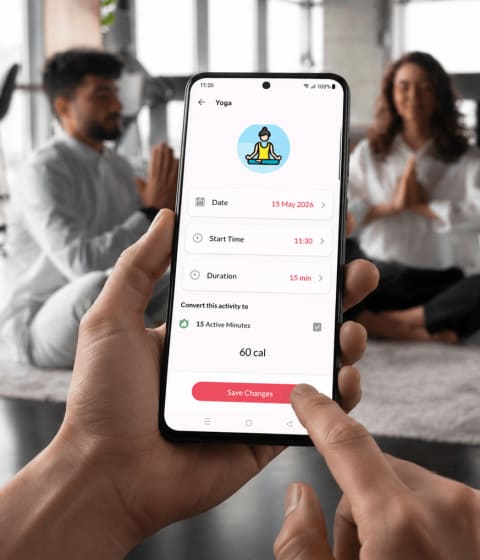
Vantage Fit brings this layered approach to life by making wellness tools easy to access in one place.
The app offers guided mindfulness sessions of different lengths, from quick breathing exercises to longer meditation practices focused on stress, focus, and sleep. A daily mood tracker helps employees build self-awareness over time, while a content library brings together resources across mental, physical, and nutritional wellness.
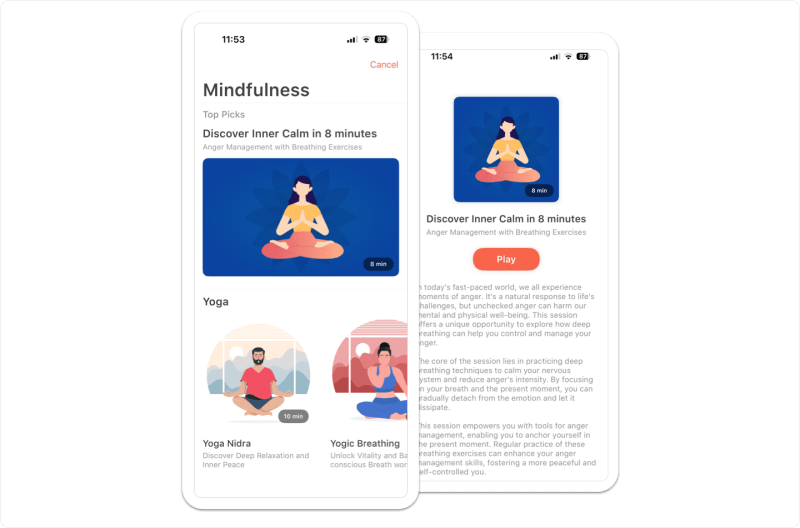
Such kind of access builds real habits over time.
In Tata Motors’ Step Up & Elevate Challenge, powered by Vantage Fit, employees maintained a daily mindfulness routine averaging 9 minutes across a multi-month program.
And in Wipro’s Inbox to Inner Peace challenge, a two-week initiative around International Yoga Day, 57 participants completed 163 yoga sessions and logged 1,279 minutes of mindfulness practice.
When these tools are easy to access and part of a shared experience, consistency follows naturally.
How to Support Different Employee Demographics?
1. Supporting Gen Z
Gen Z values authenticity instead of corporate jargon. They want a clear connection to a purpose, strong career development, and support for financial wellness, including help with student loans. They expect respect for their boundaries and opportunities to make genuine social connections. Access to therapy should feel normal, and they seek initiatives that address climate change.
2. Supporting Millennials
Millennials need support in several areas. They require help with childcare and elder care. They also want clear career advancement paths in a competitive job market. Ongoing assistance with student debt is important to them, as is access to resources for parenting. It’s essential to find ways to prevent burnout. Finally, they need access to affordable housing.
3. Supporting Gen X
Gen X needs support to care for their aging parents and children. They seek job development opportunities, job security, and recognition after being overlooked in workplace discussions for years.
4. Supporting Baby Boomers
Baby Boomers can greatly benefit from enhanced support in retirement planning, strategies to prevent age discrimination, and effective management of chronic conditions. By offering phased retirement options and fostering respectful communication that acknowledges generational differences in discussing mental health, you can create an environment that promotes well-being and empowerment for this generation.
How to Ensure Long-term Support for Mental Health in the Workplace?
Mental health support needs to be a long-term commitment, not just a temporary initiative. Here’s how to make it stick:
-
Executive Sponsorship: Senior leaders must make mental health a priority and ensure funding is secure, even during financial challenges.
-
Clear Accountability: Assign leaders to track and report on mental health efforts, integrating them into performance evaluations.
-
Continuous Improvement: Regularly evaluate programs, gather feedback, and adjust based on data.
-
Ongoing Training: Make manager training a continuous process, with updates and onboarding for new managers.
-
Cultural Integration: Mental health should be embedded in daily practices across performance management and talent development.
What Role do Managers and HR Play in Promoting a Mentally Healthy Environment?
Mental health support relies on both managers and HR, whose roles complement each other in creating a mentally healthy workplace.
The Manager’s Role
-
Lead by example: They can take mental health days, set boundaries, and be open about struggles.
-
Spot Early Signs: Notice when something’s off (missed deadlines, withdrawal) and respond with care, not judgment.
-
Facilitate Accommodations: Adjust workloads, communicate with the team, and respect confidentiality.
-
Manage Workloads: Set realistic deadlines and protect the team from unnecessary pressure.
-
Build Connections: Foster team relationships with regular check-ins and activities, especially for remote workers.
-
What Managers Need: Training, support resources, clear escalation protocols, and protection from liability.
HR’s Role
-
Develop Policies: Establish clear mental health policies and ensure compliance with applicable laws.
-
Manage Benefits: Oversee mental health benefits and make sure they’re as accessible as physical health benefits.
-
Coordinate Training: Offer ongoing mental health training for everyone.
-
Handle Accommodations: Manage the process for employee requests, ensuring privacy and compliance.
-
Track Data: Monitor trends, such as EAP use or turnover, to improve programs.
-
Champion Culture: Promote mental health across the organization and ensure leadership support.
-
Protect Confidentiality: Keep mental health disclosures private and secure.
The partnership between managers and HR is crucial for effective mental health support. Managers spot early signs of distress and create a supportive environment, while HR provides the structure, policies, and resources needed. Managers implement accommodations with empathy, and HR tracks data to refine programs.
Together, they ensure mental health support is integrated into the workplace culture, not just a one-time initiative.
Mental Health Programs, First Aid & Training: What Types of Programs Can Organizations Offer?
Organizations can offer a variety of mental health programs to support employees:
-
Employee Assistance Programs (EAPs): These provide confidential counseling, crisis intervention, and referrals to help employees through tough times.
-
Mental Health First Aid Training: Empowers employees to recognize signs of mental health crises and provide initial support.
-
Resilience and Stress Management Workshops: Help employees build coping skills to manage stress and improve mental well-being.
-
Digital Mental Health Apps: Offer convenient access to meditation, CBT tools, and therapy sessions anytime.
-
On-Site or Virtual Counseling: Provide immediate access to professional help, whether in person or remotely.
What is Mental Health First Aid, and should your employees be trained?
Mental Health First Aid is evidence-based training that teaches participants to identify, understand, and respond to signs of mental health and substance use challenges. Like physical first aid, it doesn’t train people to diagnose or treat but rather to provide initial support and connect people to appropriate professional help.
The 8-hour course (in-person or virtual) covers a simple 5-step action plan:
-
Assess for risk,
-
Listen without judgment,
-
Offer reassurance,
-
Encourage professional help,
-
And suggest self-help options.
Who Should Be Trained?
Managers, HR staff, wellness champions, and employee group leaders are key candidates, but some organizations open it up to all employees to create a supportive, mentally healthy culture.
- Benefits:
MHFA training increases mental health literacy, reduces stigma, builds confidence in supporting colleagues, and creates a network of trained responders across the organization.
- Limitations:
It’s not a substitute for professional care; rather, MHFA is a first step. Trained employees should know when to involve HR, EAPs, or emergency services and have clear follow-up resources.
- Implementation:
The course typically costs $25-$50 per person, with recertification every 3 years. It’s a simple, cost-effective way to build a more supportive workplace.
How do Wellness Programs, EAPs, and Training Courses Fit Together?
Wellness programs, EAPs, and mental health training are often treated as separate initiatives, but they work best when integrated into a supportive mental health ecosystem. Here’s how each piece fits together:
-
EAPs (Employee Assistance Programs): Provide confidential counseling and support for issues such as mental health, substance abuse, legal concerns, and more. They’re helping employees who are already struggling.
-
Wellness Programs: Focus on prevention by offering stress management, mindfulness, fitness challenges, and resilience-building activities. These programs aim to reduce mental health risks before they become problems.
-
Training: Builds skills across the organization. Mental Health First Aid trains employees to recognize and support colleagues in distress, while manager training helps reduce stigma and creates an environment where mental health is openly discussed.
Evaluation & Measurement
What gets measured gets managed. Without systematic evaluation, mental health initiatives might become performative, i.e., visible but ineffective.
How Do We Know If Initiatives Are Working?
Effective measurement tracks multiple indicators across inputs, processes, and outcomes:
-
Utilization Metrics: Look at EAP usage, wellness program participation, and app engagement. Low usage signals the program isn’t reaching employees effectively.
-
Engagement and Awareness: Measure awareness through surveys, website visits, and event attendance to ensure employees know about and engage with available resources.
-
Behavioral Indicators: Track absenteeism, presenteeism, turnover rates, PTO usage, and after-hours work to understand the impact on employee behavior and well-being.
-
Outcome Measures: Use performance data, safety records, productivity, and customer satisfaction to see how mental health initiatives affect results.
-
Health Metrics: Review benefits data, such as mental health diagnoses, prescriptions, and stress-related medical claims, to assess physical health impacts.
What Tools or Surveys Can HR use to Measure Employee Well-being?
Here are some key tools and surveys HR can use to measure employee well-being:
- Pulse Surveys: Regular check-ins with questions like:
“I feel comfortable discussing mental health with my manager.”
“My workload is manageable.”
-
Tools like Culture Amp, Qualtrics, and Microsoft Viva Insights offer built-in survey modules with benchmarks.
-
Validated Assessment Tools: In clinical contexts, tools such as PHQ-9 (depression), GAD-7 (anxiety), and burnout assessments help track mental health.
-
EAP Analytics: Provides aggregated data on service usage, showing patterns by department and issue while ensuring privacy.
-
HR Analytics Platforms: Visier People links mental health metrics with turnover, while Microsoft Viva Insights tracks burnout risk through work patterns.
-
Behavioural Biometrics: Wearables like Fitbit track physical activity and sleep, which correlate with mental health trends.
How do We Report Mental Health Progress to Leadership and Employees?
Tracking and sharing the impact of mental health initiatives is key to building a supportive workplace. Quarterly reports should highlight both the tangible and human outcomes, including:
-
Utilization Metrics: EAP usage, training completion, and program participation.
-
Engagement Indicators: Survey results, resource access rates, and event attendance.
-
Outcome Measures: Changes in turnover, absenteeism, productivity, and other key metrics.
-
Program ROI: Calculating the return on investment for mental health initiatives.
When presenting to leadership, emphasize both the business impact (e.g., increased productivity, reduced turnover) and the human impact (e.g., improved employee well-being). For employees, share key metrics that demonstrate organizational commitment and highlight progress toward supporting mental health.
Frequently Asked Questions
How much does workplace mental health support cost?
Cost follows scope. Manager training and a written policy are one-off costs that a mid-sized employer can absorb, while counseling provision and clinical benefits are priced per employee per year. The cheapest parts are structural: leave that is granted without an argument, workloads that get adjusted, and managers who know what to say.
How do you measure whether mental health support is working?
Watch four numbers over the same period before and after: take-up of the support on offer, absence days, turnover in the teams under most pressure, and what pulse surveys say about whether people would speak up. Take-up moves first. Clinical outcomes and claims data move slowly and say little in the first year.
Does an employee have to tell their employer about a mental health condition?
Disclosure is the employee's choice. Under the ADA, the conversation starts when someone asks for a reasonable accommodation, and the employer may then seek documentation that the condition limits a major life activity. Questions stay on what the work requires and what would help, and the information is kept confidential.
How is mental wellness support different from an Employee Assistance Program?
An EAP is one service inside the wider system. It gives employees confidential, short-term counseling when something is already wrong. Mental wellness support covers everything around that: the policy, the legal obligations, manager training, workload design, and whether the workplace makes asking for help feel safe.
How long before a mental health program shows results?
Take-up shows within weeks, and it is the first honest signal. Culture measures such as willingness to disclose usually move over two to four quarters, because employees wait to see how the first few disclosures are handled. Absence and turnover shift last, which is why judging a program on them in year one usually kills it too early.
Conclusion
Mental health in the workplace isn’t just a nice-to-have anymore; it’s crucial for success. The modern work environment brings unique challenges: disrupted sleep cycles, complex cultural dynamics, and rising stressors tied to both the economy and personal well-being. To truly thrive, your organizations need a strategy that includes legal compliance, proactive programs, cultural change, leadership that walks the talk, and a commitment to ongoing improvement.
Download our free templates to assess where you stand, conduct a mental health needs survey with your team, and get executive support and budget approval. Update or create your mental health policy, train your managers on how to talk about mental health, improve your EAP and benefits, launch stigma-reduction efforts, and set up systems to measure progress.
The organizations that succeed will be the ones that see mental health as an investment in performance, innovation, and resilience. Your employees’ mental health is directly linked to your company’s future success. So, the real question isn’t whether to invest in mental health, it’s how fast you can build the kind of support your workforce needs today.
Ready to make a change? Download your free toolkit and get started now.